Pomegranate’s Role in Enhancing Memory and Cognitive Function

Pomegranates are well-known for their high antioxidant content, which has numerous health benefits, particularly when it comes to brain function and memory. As a medical professional, I often recommend incorporating nutrient-dense foods like pomegranates into the diet, especially for older adults and those in memory care Lakewood, as they offer promising support for cognitive health.
Pomegranates contain a wealth of antioxidants, particularly polyphenols, which help reduce oxidative stress and inflammation in the brain. Oxidative stress is linked to cognitive decline as it can damage brain cells over time. Antioxidants work to neutralize free radicals, reducing this damage and promoting better brain health. These effects are particularly beneficial for seniors who are more prone to memory impairment and cognitive challenges.
Research has shown that pomegranates can play a key role in boosting memory and learning abilities. A study in The American Journal of Clinical Nutrition demonstrated that participants who consumed pomegranate juice daily performed better on memory tests and exhibited increased brain activity in areas related to learning. This suggests that regular consumption may improve both short-term memory and overall cognitive performance, which is particularly important for residents in communities like assisted living Lakewood where maintaining mental sharpness is a focus.
How Pomegranates Protect the Brain:
Anti-inflammatory Benefits: Chronic inflammation is a major contributor to cognitive decline and neurodegenerative diseases such as Alzheimer’s. Pomegranates are rich in anti-inflammatory compounds, which can help reduce inflammation in the brain. This is vital for seniors in senior living Lakewood, where inflammation-related conditions like Alzheimer’s and dementia are common concerns. Regular consumption of pomegranates can potentially slow the progression of these diseases by minimizing brain inflammation.
Improved Blood Flow to the Brain: Another way pomegranates support cognitive function is by enhancing blood flow to the brain. The increased circulation helps deliver more oxygen and nutrients, which are critical for maintaining healthy brain function. This boost in blood flow is associated with better memory retention and cognitive abilities, making pomegranates a smart addition to the diet of anyone aiming to preserve mental clarity as they age.
Neuroprotective Effects: Studies on animal models have shown that pomegranates may have neuroprotective properties. Some research suggests that pomegranate extract may reduce the accumulation of beta-amyloid plaques, which are linked to the development of Alzheimer’s disease. While more human research is needed, this evidence points to pomegranates as a potential tool in protecting against long-term cognitive decline.
Adding pomegranates to your diet can be simple, delicious, and even adventurous. They can be eaten fresh, mixed into salads, or blended into smoothies. For those in memory care Lakewood, incorporating pomegranates into daily meals not only enhances taste but also contributes to brain health, allowing you to get creative with your culinary choices
Exploring Photography as a Senior Hobby: Tips for Beginners

Photography is an incredible hobby for seniors, offering a creative outlet that’s both relaxing and rewarding. It doesn’t matter if you’re brand new to it or have dabbled in it over the years; photography allows you to capture special moments, explore your surroundings, and express your perspective in a new way. At senior living Lakewood, we’ve seen many residents discover the joy of photography, from snapping pictures of nature to capturing candid moments with family.
Here are a few simple tips to help you get started:
Start with Your Phone:
Starting your photography journey doesn’t require an expensive camera. Most smartphones today have excellent cameras that are user-friendly. One of our residents at assisted living Lakewood began her hobby using her iPhone, and now she captures stunning photos of the garden and wildlife without needing to invest in fancy equipment. This simplicity is designed to make you feel at ease and less intimidated by the technical aspects of photography.
Find Your Favorite Subject:
Whether it’s landscapes, flowers, or even your grandkids, choosing a subject that excites you will make photography more fun. At memory care Lakewood, we often see residents who love documenting the changing seasons in our community garden or the small details of everyday life. By focusing on what inspires you, you’ll find that photography becomes more than just snapping pictures—it’s about telling a story.
Learn Basic Composition:
A simple way to improve your photography is by learning basic composition techniques, such as the rule of thirds. Thismeans imagining your image divided into three equal parts both horizontally and vertically, and placing the main subject along those lines.
One of our residents recently tried this and noticed how much more balanced and interesting her photos became.
Tip: Don’t be afraid to experiment with angles. Try crouching low, getting up close to details, or photographing from above. Changing your perspective can lead to unexpectedly beautiful shots.
Enjoy the Process:
Photography is all about capturing the moment, but it’s also about enjoying the journey. Take your time, explore different settings, and practice regularly. One resident told us she loves going on walks around our community, finding beauty in small things like a single leaf on the ground or the way sunlight filters through the trees. The key is to keep it lighthearted and fun.
Exploring photography is a wonderful way to get creative, stay engaged, and find joy in the world around you. Whether you’re capturing the grand scenery or the small moments, it’s a hobby that brings lasting fulfillment.
How to Share Family History with Your Grandchildren

Sharing family history with grandchildren is a wonderful way to connect generations, pass on traditions, and ensure that important stories are not forgotten. At assisted living Irvine, we love hearing the stories our residents share with their families, and we encourage everyone to find meaningful ways to pass down family history.
Here are a few ideas to help you share your family’s legacy:
Create a Family Tree Together:
Building a family tree is not just a project, it’s a journey of discovery and connection. It’s one of the simplest and most visual ways to share family history. This project allows your grandchildren to see the connections between generations and understand how they’re part of a larger family story.
One of our residents created a beautiful family tree with her granddaughter during a visit, adding old photos and little stories about each family member as they went along. The joy and excitement they felt during this process was palpable, and it’s a memory they both cherish.
Tip: Use online tools like Ancestry.com or MyHeritage to dig deeper into family history. Many of our residents at memory care Newport Beach enjoy the interactive experience of discovering new family connections through these platforms.
Tell Stories About Your Childhood:
Sharing personal anecdotes from your childhood is a great way to bond with your grandchildren. They’ll love hearing about the “old days,” whether it’s stories about growing up in a different era or funny memories about family traditions.
One resident often tells her grandchildren about the games she played as a child, which has sparked conversations about how much things have changed over the years.
Share Old Photos and Keepsakes:
There’s something magical about old photos and keepsakes. They have the power to transport us back in time and evoke a sense of nostalgia. Kids love looking through these items, and they can spark wonderful conversations about family history. Show your grandchildren photos from your youth, along with any keepsakes you’ve saved. Whether it’s a high school yearbook, wedding photo, or a family heirloom, these tangible items make family history come alive.
At assisted living San Juan Capistrano, we’ve seen residents share albums that go back several generations, offering a visual journey through time. The sentimental value of these items is immeasurable, and the stories they hold are priceless.
Record Your Stories:
Consider recording your family stories, either through writing or voice recordings. This is not just a suggestion, it’s a responsibility. It’s a way to ensure that your family history is preserved for future generations. This can be a special gift for your grandchildren to cherish long after the conversations end. Some of our residents have recorded themselves reading letters or telling stories, which is a wonderful way to preserve both the stories and the sound of their voice for future generations. It’s a commitment to your family’s legacy, and it’s a gift that keeps on giving.
Sharing family history helps grandchildren understand where they come from, and it also strengthens the bond between generations. It’s a gift that lasts a lifetime, connecting the past to the present in a meaningful and memorable way.
How to Manage Joint Pain During Seasonal Changes

Many seniors experience increased joint pain during seasonal changes, especially when transitioning to colder or damp weather. Fluctuations in temperature and barometric pressure can exacerbate conditions like arthritis, making joints stiff and painful. Fortunately, there are several ways to manage joint discomfort naturally and improve mobility during these times.
Stay Physically Active
Regular exercise is key to managing joint pain, as it helps maintain flexibility and strengthen the muscles around the joints. Light activities like walking, swimming, or yoga can reduce stiffness and inflammation.
In assisted living Irvine, residents often have access to senior-friendly fitness programs, which are tailored to maintain joint health and reduce discomfort.
Keep Joints Warm
Colder temperatures can lead to increased stiffness and pain. Keeping the body and joints warm can alleviate discomfort:
Layer clothing: Wearing extra layers can keep the joints warm and minimize cold exposure.
Use heating pads or warm baths: Heat therapy can help relax muscles and increase blood flow to painful joints.
Residents in senior living San Juan Capistrano often use heat packs or warm compresses as part of their routine to alleviate joint pain during cold weather.
Maintain a Healthy Diet
A healthy diet plays a significant role in reducing joint pain and inflammation. Foods rich in anti-inflammatory properties, such as omega-3 fatty acids (found in fish), antioxidants (from fruits and vegetables), and whole grains, can be particularly beneficial for joint health. Additionally, staying hydrated is crucial for keeping joints lubricated.
In our community, caregivers play a crucial role in providing balanced, nutritious meals designed to meet the dietary needs of residents with arthritis or joint pain. This support ensures that you are cared for and your dietary needs are met.
Consider Supplements
Certain supplements can provide additional support for joint health. Common recommendations include:
Glucosamine and chondroitin: These supplements are thought to help rebuild cartilage and reduce joint inflammation.
Turmeric and fish oil: Known for their anti-inflammatory properties, these supplements can help manage chronic joint pain.
By taking a proactive approach to joint care, seniors can reduce pain and maintain a higher quality of life during seasonal changes. These strategies offer a natural way to manage joint discomfort without relying solely on medication.
Practice Gentle Stretching and Flexibility Exercises
Gentle stretching can significantly improve joint flexibility and reduce stiffness, especially during seasonal transitions. Simple stretches that target major joints like the knees, hips, and shoulders help maintain mobility and increase blood circulation to the joints, which can alleviate discomfort.
Some beneficial stretches include:
Hamstring stretches: Loosening the muscles at the back of the leg helps relieve pressure on the knees.
Shoulder rolls: Rolling the shoulders backward and forward relieves tension and promotes flexibility in the upper body.
Quadriceps stretches: Stretching the muscles in the front of the thigh can help reduce knee pain.
Incorporating daily stretches into their routine can improve joint health and reduce pain. Stretching exercises are often offered in assisted living communities to keep residents active and comfortable during seasonal changes.
The Surprising Detox Power of Brussels Sprouts for Seniors

Who knew those tiny green vegetables you avoided as a kid could become a secret weapon for staying healthy later in life? Brussels sprouts may not have the flash of superfoods like kale or blueberries, but they offer something incredibly valuable for seniors—detoxification. And in the hustle of daily life at an assisted living community, this natural boost makes a difference.
Now, let’s talk about why these small-but-mighty veggies deserve a spot on your plate.
A Natural Detox Buddy
As we age, our bodies need a little extra help keeping things running smoothly—especially when it comes to detoxing. That’s where Brussels sprouts shine. They contain a compound called sulforaphane, which helps the liver flush out toxins. Think of it as a janitor sweeping through your system, cleaning out the junk so you feel refreshed.
Frank, one of our residents, mentioned something interesting last week over dinner. “After I added Brussels sprouts to my diet, my energy picked up. It’s not like coffee energy—it’s a clearer, lighter feeling.” Frank may be onto something. Detoxification doesn’t just help your body—it also clears mental fog, making day-to-day activities more enjoyable.
More Than Just Detox: A Brain and Heart Boost
Eating Brussels sprouts also supports brain health and heart health, two areas that become especially important for older adults. Rich in vitamins C and K, they help keep inflammation down and promote blood flow, supporting memory and focus. That’s a bonus when you’re meeting friends for lunch or joining the weekly book club.
Easy Ways to Enjoy Brussels Sprouts
The good news? Brussels sprouts are easy to incorporate into meals. Whether you’re whipping them up in a group cooking class or enjoying them during community dinners in assisted living, they add a delightful crunch and earthy flavor to any dish. Try:
Roasting them with olive oil, salt, and pepper
Adding them to a warm quinoa salad
Pairing them with roasted chicken or fish
Shaving them thin for a crunchy coleslaw with apples and walnuts
Sautéing with garlic and balsamic glaze for a sweet and savory side
Blending into a creamy Brussels sprout and potato soup
Tossing with pasta, parmesan, and lemon zest for a light dinner
Baking them into a cheesy Brussels sprout casserole
It’s amazing what one small change to your diet can do, especially when it supports your body’s natural detox system. With something as simple as Brussels sprouts, life at an assisted living Boise community can feel a little lighter and a little more vibrant every day.
So, the next time you spot these green gems on the menu, don’t hesitate. Give them a try. Your body—and your taste buds—will be pleasantly surprised.
Simple Fall-Themed Recipes for Seniors: Healthy Comfort Foods

As the air cools and the leaves begin to change, fall is the perfect time to embrace cozy, nourishing, delicious, and good meals for you. At assisted living Newport Beach, we love incorporating seasonal ingredients into our recipes, especially when they’re comforting and healthy for our residents. Here are a few simple, fall-themed dishes that seniors can enjoy this season.
Roasted Butternut Squash Soup: Butternut squash is a fall favorite, packed with vitamins A and C, both of which help boost the immune system. A smooth and creamy roasted butternut squash soup is a great way to enjoy these benefits. We love using a splash of coconut milk for added creaminess without the dairy and seasoning it with nutmeg or cinnamon for that perfect autumn touch. One of our residents always requests a bowl during our fall meal rotation, claiming it warms her heart and body.
Apple and Sweet Potato Casserole: This easy-to-make dish combines two fall superstars: apples and sweet potatoes. Both are rich in fiber, potassium, and antioxidants, making them excellent choices for seniors. Layer thin slices of sweet potato and apple in a baking dish, drizzle with a bit of honey and olive oil, and bake until golden. The natural sweetness of the apples pairs perfectly with the hearty sweet potatoes, creating a dish that’s both comforting and healthy. We often serve this in our community, and it’s become a favorite among residents.
Pumpkin Oatmeal: Start your day with a bowl of warm pumpkin oatmeal. Pumpkin is low in calories but packed with nutrients like fiber and vitamin A. Mix pumpkin puree with oats, milk (or a dairy-free alternative), and a dash of cinnamon and nutmeg. It’s a nutritious breakfast that keeps you full and energized throughout the morning. Thishas become a morning staple at memory care Newport Beach, especially as the pumpkin spice season kicks into high gear!
Tip: Sprinkle some walnuts or chia seeds on top for an added crunch and boost of omega-3 fatty acids.
Roasted Brussels Sprouts and Cranberries: Brussels sprouts are a powerhouse of vitamins and minerals, while cranberries add a burst of flavor and antioxidants. Toss them together with a little olive oil, roast in the oven until crispy, and sprinkle with a few dried cranberries. This dish is easy to prepare and perfect for a fall dinner. We often serve this during our autumn community dinners, and our residents appreciate the balance of sweet and savory flavors.
At senior living San Juan Capistrano, we always aim to create meals that highlight the season’s flavors and provide the nutrients seniors need to stay healthy. These simple fall recipes offer a delicious way to enjoy the comfort foods we all crave, without compromising on health.
Gifts for a Loved One With Dementia

If you want to get something special for mom or dad or another loved one living with Alzheimer’s or another dementia-related disease, it can be challenging to figure out a good gift. This is where the Internet can lend a hand with a range of items designed to enhance your loved one’s quality of life.
Dementia care specialists say it can take a little more time and some creativity but there are many great gift ideas. One idea is personalized gifts or memory-filled ones. A photo album filled with pictures of the person surrounded by people important to them, or a picture book from a place they loved to visit. A coffee mug personalized with a photo or a cozy throw filled with favorite family pictures are also good ideas.
Music from their younger years, show tunes and old movies are sure to make them smile and can be a good way to spend an afternoon together listening to their new gifts. Coloring books filled with pictures of things they love such as animals or flowers, and a set of new markers or crayons, and easy-to-do crafts are also fun to do together.
Another item targeted to people with Alzheimer’s or dementia is therapy stuffed animals. Designed to meet their special needs, one example is a teddy bear that comes with a few classic songs but has room to load a person’s favorite tunes (up to a 1,000 songs). Cuddly robotic cat and dog stuffed animals have a calming, soothing effect on people in the middle and later stages of Alzheimer’s disease. Research shows they can help the person remember a time in their life when their purpose included caring for others.
Along with independent and assisted living, Hayward, CA’s MorningStar community provides compassionate and loving care to those suffering from memory impairment. The Reflections Neighborhood is meticulously designed to accommodate the special needs of memory care residents, allowing them as much independence as possible. Our specially-trained care team understands that the essence of the person still exists despite the memory loss, and will strive every day to connect with and nurture that essence. Please contact us or visit our website for more information about exceptional senior living at MorningStar of Hayward.
MorningStar is guided by a culture rooted in our mission of honoring God, valuing seniors, and investing in our team, which allows us to deliver services with warmth, sincerity and depth of purpose. We have built a reputation for creating homes filled with an atmosphere of love and community. Please contact us to learn more about the finest independent living, memory care and assisted living Hayward, CA offers.
It's Important for Women to Get Health Screening Tests

Medical professionals stress the importance of women getting the proper screenings to protect their health and discover problems early when they may be more treatable. Screenings are designed for otherwise healthy individuals and recommendations change as we age.
An article in the publication US News & World Report, states, “Your doctor can help you tailor the recommendations based on your goals of care, personal and family health history, age and life expectancy.” This post discusses 4 of the 14 screenings in the article.
Breast cancer screening with a mammogram is recommended annually for women from age 40-50, every two years for those 50 to 74 and on a case-by-case basis after that. Doctors say mammograms are key to the prevention as well as early detection of breast cancer, when it is most easily treated. Talk to your doctor about testing options if you are under the age of 40 and have a mother or sister who had breast cancer at a young age or have a high-risk genetic marker.
It is recommended women 50 years and older have a colonoscopy every ten years. As colon cancer is more common in African Americans and occurs at an earlier age, it is advised to start testing at age 45. Younger women/teens with a family history of adenomatous polyposis – a genetic condition that starts in someone as young as in the teen years may need colonoscopies at a much earlier age. Also, a woman with a history of Crohn’s disease or inflammatory bowel disease will likely be advised to have a colonoscopy at a younger age than 50. There are also other screening tests for colon cancer which may be right for you.
Diabetes is another disease a woman 45 years and older should be screened for every three years. Exceptions for screening earlier are a family history of diabetes; obesity and high blood pressure readings or you take medications for HBP.
A Lipid profile assessment testing a woman’s cholesterol and triglyceride levels as well as the risk for heart disease should be done every five years starting at age 45, or younger for those at high risk. If lifestyle changes do not reduce your numbers, you may need medications. As with all screenings, discuss with your doctor how often you need to be screened and what steps to take to improve your health.
If you are looking for assisted living, memory care or independent living in Hayward, CA, MorningStar may be your answer. Our range of onsite amenities, care services, wellness programs and activities allow residents to live life to the fullest. Amenities include all-day dining, full-service dining room, salon, fitness center, art studio, life enrichment area, scheduled transportation and more. To experience MorningStar of Hayward up close, contact us to schedule a visit.
MorningStar has considered it a privilege and responsibility to “cast a new light” on senior living, inspired and empowered by our unique mission: to honor, to value, to invest. Our passionate commitment to serving seniors has proudly earned us a reputation for satisfaction that is second to none. Contact us for more information about the finest assisted living, memory care and independent living Hayward offers.
Source: health.usnews.com/health-news/patient-advice/slideshows/health-screenings-all-women-need?
How Assisted Living Communities Support a Healthy Lifestyle

One of the main reasons people choose assisted living is the comprehensive support offered to maintain a healthy and fulfilling lifestyle. As someone who has seen firsthand the benefits of these communities, I can tell you that the focus on health goes far beyond just medical care. It’s about creating an environment where residents can thrive physically, mentally, and emotionally.
Retirement communities are designed to promote well-being in several ways. Here’s a look at some of the most impactful ways they support a healthy lifestyle.
Nutritious, Balanced Meals
Nutrition plays a vital role in maintaining health, especially as we age. Retirement communities ensure that residents receive well-balanced meals tailored to their dietary needs. The meals are crafted by skilled chefs and often reviewed by nutritionists to guarantee they meet the specific health requirements of seniors. Whether it's heart-healthy, low-sodium, or diabetic-friendly options, the meals are designed to keep residents feeling their best.
Exercise and Physical Wellness
Staying active is essential for maintaining mobility and overall wellness. Communities like assisted living Boise offer various physical activities to suit all fitness levels. Whether it’s a daily morning walk around beautifully landscaped grounds or joining group exercise classes like tai chi or strength training, there’s always a way to keep moving. For those who need it, there are even personalized fitness plans created with the help of trainers or physical therapists.
Mental and Emotional Health
Just as important as physical health is mental and emotional well-being. Assisted living communities often provide mental health support in the form of group activities that stimulate cognitive function, such as puzzles, trivia games, or educational seminars. Moreover, social interaction is encouraged through a variety of group events, helping to combat feelings of loneliness or isolation.
Personalized Care and Support
Of course, one of the primary benefits of assisted living is the personalized care residents receive. This ensures that each individual's specific health needs are met, whether that’s help with daily tasks like bathing and dressing, or more complex medical management. Knowing there’s always someone available to assist with these essentials offers both residents and their families peace of mind.
These communities foster an environment that prioritizes wellness from every angle. Whether it’s through nutritious meals, engaging activities, or personalized care, assisted living empowers residents to lead healthy, vibrant lives.
How to Transition Smoothly to a Senior Living Community

Moving to a senior living community is a significant life change that comes with excitement and challenges. Whether you're planning the move for yourself or a loved one, preparing for this transition can make the process much smoother. Here's how to approach the move thoughtfully and effectively.
Plan Ahead and Communicate Openly
The first step in making a smooth transition is to plan ahead. Start the conversation early, allowing time to explore different communities and decide on the best fit. Discuss preferences, concerns, and expectations with family members and the community staff to ensure everyone is on the same page.
For those considering a senior living community, it's helpful to visit the community in advance, meet the staff, and familiarize yourself with the environment. This makes the move feel less daunting and more like a natural progression.
Downsize Thoughtfully
Downsizing is often a necessary part of the transition. Begin by sorting through belongings to decide what will be kept, donated, or passed on to family. Focus on keeping the most meaningful or useful items in the new living space. Downsizing gradually over time, rather than all at once, can make the process more manageable.
In assisted living Irvine, residents often have access to resources that can help with downsizing and moving, such as professional organizers or moving companies that specialize in senior moves. Take advantage of these services to reduce stress.
Personalize the New Space
Personalizing the space is one of the best ways to feel at home in a new senior living community. Bring favorite furniture pieces, family photos, and cherished mementos to create a familiar and comforting environment. This helps make the new residence feel like home right away.
When transitioning to memory care Newport Beach, it's imperative to incorporate familiar items that can help trigger positive memories and provide comfort in a new setting.
Get Involved in Community Activities
Engagement in community activities is key to feeling connected and settled in a new senior living environment. Many communities offer a variety of social, educational, and recreational activities designed to help residents form new friendships and stay active.
Encouraging participation in these activities early on can help with the adjustment period. Whether joining a fitness class, attending social events, or volunteering within the community, staying active and involved can greatly enhance the experience.
Establish a Routine
Establishing a daily routine can provide a sense of stability and normalcy during the transition. Routines help anchor us, particularly in times of change, by providing a predictable structure to the day. Work with the staff to create a schedule that includes favorite activities, meal times, and quiet moments to relax and recharge.
In assisted living San Juan Capistrano, the staff can help new residents settle into a routine that suits their lifestyle, ensuring that each day is fulfilling and balanced.
Stay Connected with Loved Ones
Maintaining strong connections with family and friends is crucial during this transition. Encourage regular visits, phone calls, and video chats to keep in touch. Some senior living communities also offer family events and activities that make staying connected with loved ones easy.
Transitioning to a senior living community is a big step, but with thoughtful planning, open communication, and a focus on personalization and involvement, it can lead to a vibrant and fulfilling new chapter of life.
Budgeting Tips for Seniors on a Fixed Income

Managing finances on a fixed income can be challenging, but with careful planning and smart strategies, seniors can maintain financial stability while enjoying their retirement years. Here are some practical budgeting tips tailored for seniors.
Track Your Spending
The first step to budgeting effectively is knowing exactly where your money goes. Keep a detailed record of your monthly expenses, including groceries, utilities, healthcare, and entertainment. By understanding your spending habits, you can identify areas where you might cut back or adjust.
For seniors living in assisted living Irvine, understanding the costs associated with housing and care services is crucial. Many communities offer all-inclusive packages, but knowing what’s covered and what might require additional funds is essential.
Prioritize Essential Expenses
When living on a fixed income, prioritizing essential expenses is vital. Focus on covering necessities such as housing, food, and healthcare first. After these are secured, allocate funds for discretionary spending like dining out or hobbies. This approach ensures that your basic needs are always met, even if unexpected expenses arise.
Residents in memory care Newport Beach facilities, for example, might have predictable monthly fees, but it’s wise to budget for extra services or activities that may not be included in standard care.
Reduce Unnecessary Costs
Finding ways to cut unnecessary costs can significantly stretch your budget. Consider eliminating subscriptions or services you no longer use, switching to generic brands for groceries, or taking advantage of senior discounts. Small adjustments can add up over time, providing more financial flexibility.
Seniors in assisted living San Juan Capistrano might find that meal plans or transportation services offered by the community reduce the need for external spending, further optimizing their budget.
Plan for Healthcare Expenses
Healthcare can be a significant expense for seniors, especially as medical needs increase with age. To prepare, allocate a portion of your monthly income specifically for medical costs, including insurance premiums, medications, and out-of-pocket expenses. It’s also advisable to have an emergency fund dedicated to unexpected medical bills.
Medicare covers a lot, but not everything, so understanding your plan and knowing what additional coverage might be necessary is crucial for long-term financial planning.
Explore Supplemental Income Options
If your fixed income doesn’t cover your needs, consider exploring supplemental income options. Part-time work, freelancing, or even renting out a portion of your home can provide additional financial resources. Many seniors find fulfillment in working or volunteering part-time, which also helps keep them socially engaged.
Some senior living communities, like senior living San Juan Capistrano, offer opportunities for residents to engage in community roles that might also offer small stipends, providing both financial and personal rewards.
Take Advantage of Senior Benefits
There are numerous benefits and programs available to help seniors manage their finances. From Social Security benefits to local assistance programs that help with utility bills or groceries, it’s important to research and utilize all available resources. Even small benefits can make a big difference when living on a fixed income.
Budgeting on a fixed income requires careful planning and a proactive approach. By tracking your spending, prioritizing essentials, and exploring all available resources, seniors can maintain financial health and enjoy their retirement years with greater peace of mind.
Autumn Activities for Seniors to Enjoy
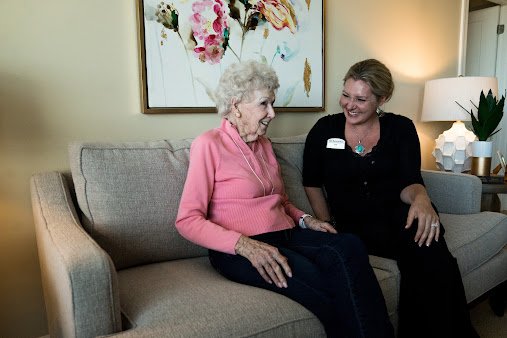
Autumn is a wonderful season, especially for seniors who can enjoy the cooler weather and the vibrant colors of the changing leaves. There are so many activities that can make this season both enjoyable and memorable.
One of the best ways to embrace the fall is by spending time outdoors. Simple activities like taking a stroll through a park or nature trail allow seniors to experience the beauty of autumn firsthand. The crisp air and colorful scenery can be invigorating, making it a perfect time for outdoor photography or just sitting on a bench and watching the leaves fall. This is particularly lovely for those in assisted living Newport Beach, where the mild climate and beautiful landscapes provide the ideal setting for such peaceful activities.
For those who prefer staying indoors, autumn is a great time to get creative. Crafting is a fun way to celebrate the season. Seniors can make decorations using natural materials like pinecones, acorns, and colorful leaves collected during walks. These crafts bring the beauty of fall and provide an excellent opportunity to exercise fine motor skills and creativity. Another enjoyable indoor activity is baking. The aroma of freshly baked pumpkin bread or apple pie can fill the home with a cozy, festive feeling. Plus, baking can be a social activity, offering a chance to share recipes and enjoy treats together.
Autumn also brings many community events and activities that seniors can participate in. Local harvest festivals, farmers' markets, and craft fairs are popular during this time of year. These events often feature seasonal produce, handmade crafts, and live entertainment, providing a perfect outing for seniors. For those living in memory care Newport Beach communities, participating in these community events can be a wonderful way to stay engaged and connected with others, which is essential for emotional well-being.
Another favorite autumn activity is gardening, which doesn't have to end with summer. Planting fall flowers like mums or setting up a small container garden can bring joy to those who love working with their hands. Gardening can be adapted to fit any mobility level, and it offers a sense of accomplishment as seniors nurture and watch their plants thrive.
It's also a great activity for those in senior living San Juan Capistrano, where the climate allows for outdoor gardening nearly year-round.
Reading is another excellent way to enjoy the season. Whether a classic novel or a new bestseller, reading by a window with a view of the fall foliage wrapped in a warm blanket can be a delightful experience. Book clubs or reading groups are also a fantastic way to socialize and share the joy of reading.
Autumn offers so many opportunities for seniors to stay active, creative, and engaged. Whether outdoors enjoying the natural beauty of the season or inside crafting and baking, there's something for everyone to love about fall.
6 Brain Exercises for Seniors: Simple Ways to Stay Mentally Fit

As we age, it's just as important to keep our brains active as it is to maintain physical fitness. Brain exercises can improve memory, attention, and problem-solving skills, making daily life easier and more fulfilling. Here are some simple and effective ways seniors can stay mentally sharp.
1 - Engage in Puzzles and Games
Puzzles like crosswords, Sudoku, and jigsaw puzzles are more than just fun—they stimulate brain activity and improve problem-solving skills. Games like chess, checkers, and even card games can challenge the mind, keeping cognitive functions in top shape. These activities are easy to incorporate into a daily routine and can be both social and solitary.
For residents of assisted living Newport Beach, caregivers often incorporate group games that exercise the brain and encourage social interaction, another crucial element of mental fitness.
2 - Learn Something New
Taking up a new hobby is one of the best ways to challenge the brain. Whether it's learning a new language, trying out painting, or even picking up a musical instrument, learning something unfamiliar keeps the mind agile. Studies have shown that engaging in new and challenging activities can help improve memory and cognitive skills.
Seniors in senior living San Juan Capistrano often have access to classes and workshops designed to teach new skills, providing both mental stimulation and a sense of accomplishment.
3 - Practice Mindfulness and Meditation
Mindfulness exercises, including meditation and deep-breathing practices, are excellent for mental fitness. These practices can reduce stress and improve focus, allowing the brain to process information more effectively. Guided meditation, yoga, or simple breathing exercises are easy to learn and can have long-lasting benefits for brain health.
In memory care Newport Beach, residents are often introduced to mindfulness exercises to reduce anxiety and enhance mental clarity. Regular mindfulness practice is particularly beneficial for those dealing with early stages of cognitive decline.
4 - Stay Socially Active
Maintaining social connections is vital for mental health. Regular interaction with friends, family, or even pets can significantly improve cognitive function. Socializing forces the brain to think quickly, recall memories, and process emotions, which are great for mental sharpness.
Social events are a vital component of mental fitness in assisted living communities. Regular interaction with peers helps prevent isolation and keeps the mind engaged.
5 - Keep Physically Active
Exercise isn't just good for the body; it's crucial for the brain, too. Activities like walking, swimming, or yoga increase blood flow to the brain, which supports better cognitive function. Staying physically active helps reduce the risk of cognitive decline and can improve mood and focus.
Many senior living communities offer fitness classes designed specifically for older adults, incorporating gentle movement and mental engagement.
6 - Use Technology to Your Advantage
Many apps and online games are designed to keep the mind sharp. Brain-training apps like Lumosity and Peak offer daily challenges that focus on memory, attention, and problem-solving skills. Learning to use new technologies, whether it's a smartphone app or a new computer program, also offers excellent mental stimulation.
Incorporating these simple yet effective brain exercises into your daily routine can help keep your mind sharp, regardless of age. Whether through games, socializing, or learning new skills, the key is to challenge your brain regularly and enjoy the process of staying mentally fit.
Understanding Breast Cancer Risks as You Age

As you age, breast cancer becomes a more prominent health concern, but by understanding the factors that increase your risk, you can take steps to reduce that likelihood. Let’s break down what you should know about how breast cancer risks evolve and what actions you can take to protect yourself.
Age and Hormonal Changes
Age is the leading risk factor for breast cancer. Women over the age of 50 face higher risks, mainly due to the changes their bodies undergo during and after menopause. During this time, estrogen levels drop, but the hormone’s influence on breast tissue remains significant. Prolonged exposure to estrogen—whether from early menstruation, late menopause, or hormone replacement therapy—can increase your chances of developing breast cancer.
Family History and Genetics
If you have a family history of breast cancer, especially if a close relative (like your mother or sister) was diagnosed at a younger age, your risk is notably higher. Genetic mutations such as BRCA1 and BRCA2 are directly linked to a greater likelihood of developing breast cancer. It’s a good idea to discuss genetic testing with your healthcare provider if breast cancer runs in your family.
For seniors in memory care Newport Beach, caregivers are often trained to help monitor any signs of cancer as part of routine health assessments. Staying vigilant about family history can inform more tailored care in these settings.
Lifestyle Factors that Influence Risk
While some risk factors are beyond your control, lifestyle choices can significantly affect your breast cancer risk.
Weight Management: Maintaining a healthy weight, particularly after menopause, is crucial. Fat cells can store estrogen, and carrying excess weight can lead to higher estrogen levels, thus increasing your risk. Regular exercise and a balanced diet can help manage this.
Exercise: Staying active helps regulate hormone levels and body weight. Even moderate physical activity, such as brisk walking, can lower your risk.
Alcohol Consumption: Research shows that drinking alcohol raises your risk of breast cancer because alcohol increases estrogen levels. Limiting alcohol is an effective preventive measure.
In assisted living Newport Beach, residents often benefit from programs that encourage physical activity and provide nutritious meals, which are essential in managing weight and reducing cancer risks.
Screening and Early Detection
The best way to combat breast cancer is through early detection.
Mammograms: Regular mammograms are recommended for women between the ages of 50 and 74, typically every two years. Women with a higher risk—due to genetics or family history—should talk to their doctor about starting mammograms earlier or getting screened more frequently.
Dietary Choices: A diet rich in fruits, vegetables, and whole grains supports overall health and may also reduce cancer risk. Reducing processed foods and high-fat diets can also help you manage your weight and lower your risk.
For older adults living in senior living San Juan Capistrano, healthcare professionals often ensure that regular screenings are part of routine care, helping residents stay on top of preventive measures like mammograms and physical check-ups.
While aging does increase your risk of breast cancer, understanding these factors allows you to take proactive steps to reduce your risk. From regular screenings to lifestyle adjustments, staying informed and making health-conscious decisions can significantly impact your well-being.
Prediabetes Can Be Reversed With Lifestyle Changes

Type 1 and Type 2 diabetes affects millions of Americans, and every year more than a million people are diagnosed with the disease. The American Diabetes Association (ADA) reports in 2021, 38.4 million Americans, or 11.6% of the population, had diabetes. Of that number 2 million had type 1 diabetes, which includes more than 300,000 children and adolescents.
Seniors aged 65 years and older make up a large percentage of Americans with the disease at 29.2% or 16.5 million seniors (diagnosed and undiagnosed). Diabetes can be deadly and was the 8th leading cause of death in 2021. People with diabetes are at an increased risk of vision problems, heart attacks, nerve damage and stroke. In 2022, the CDC estimated the cost of diabetes was $412.9 billion.
Prediabetes is another huge problem and numbers from 2021 report 97.6 million Americans aged 18 and older are affected. It is a chronic condition in which blood glucose levels are higher than normal but not high enough to be classified as diabetes. While it carries an increased risk of developing type 2 diabetes, it isn’t inevitable. Studies show prediabetes can be reversed or the risk mitigated with lifestyle changes such as diet, medications, and early detection.
Yale Medicine endocrinologist, Anika Anam, MD, explains, “Prediabetes goes hand in hand with metabolic syndrome, the term for a condition that includes hypertension, obesity, and high cholesterol.” She adds each of those conditions raises the risk for serious issues including heart disease, stroke, and cancer.
The CDC’s national Diabetes Prevention Program (DPP), finds “people with prediabetes who lost a modest amount of weight—5 to 7% (10 to 14 pounds for a person weighing 200 pounds, for example)—with the help of a structured lifestyle-change program cut their risk of developing type 2 diabetes by 58%.” In addition, experts say at least 30 minutes of moderate exercise per day can not only improve insulin sensitivity and lower blood sugar levels, but aid in weight loss. Cutting out added sugars, eating more complex carbs (vegetables, legumes, nuts, and whole grains), and increasing protein are other recommended lifestyle changes as is reducing stress.
For luxury independent or assisted living in Hayward, CA, MorningStar is sure to please. Our community provides residents with tasty, nutritional meals as well as suitable exercise programs and activities to help stay fit physically, mentally, socially and spiritually. To learn more about MorningStar of Hayward’s wide range of amenities and services, please visit our website.
MorningStar’s foundation is based on the mission to honor God, value seniors and invest in our staff to create a unique senior living experience. Set in a warm, loving atmosphere with beautiful surroundings and resort-style amenities, we provide the finest independent and assisted living Hayward, CA offers. Contact us or visit our website for more information.
Enjoy Your Senior Years at MorningStar of Hayward

Imagine being freed up from the many chores homeownership requires and having the time to pursue your various interests and hobbies, to travel, or spend more time with family and friends. Senior living communities like MorningStar of Hayward can provide just that and more as we offer a wide array of services including housekeeping, tasty meals and other luxury amenities.
Our maintenance crew handles all repairs both inside and out as well as routine chores like the care of our beautiful grounds. This means as a resident, you will not be faced with unexpected maintenance bills, and instead enjoy the security of predictable budgeting.
Assisted living residents also receive the personalized care they need for the ADLs (activities of daily living) to enable them to live life as independently as possible. Medication management services help seniors keep on track with their prescription drug usage. Transportation services to and from doctor visits and routine health screenings make it easy to keep up your medical care.
For all residents, our meaningful wellness programs and activities keep residents as busy as they like. Planned community-wide activities and outings let residents enjoy themselves and offer the perfect environment to meet new friends and create new memories. Smartly designed suites provide privacy while offering access to social activities, and the comfort and security of knowing someone is always around if help is needed.
Our all-day, restaurant-style dining services allow you to keep to your own schedule. Meals are chef-inspired and made from as many freshly sourced ingredients as possible. Residents on restricted diets have options for low-sodium, low calorie and other dietary preferences.
MorningStar is a top choice for independent living and assisted living in Hayward, and allows seniors to comfortably age in place without giving up any of their freedom or choices. In addition, our distinct Reflections Neighborhood offers holistic care to those with memory loss diseases. Contact us to schedule an in-person tour to experience first-hand our outstanding community.
MorningStar has considered it a privilege and responsibility to “cast a new light” on senior living, inspired and empowered by our unique mission: to honor, to value, to invest. Our passionate commitment to serving seniors has proudly earned us a reputation for satisfaction that is second to none. Contact us to learn more about the finest independent and assisted living Hayward, CA has to offer.
How to Strengthen Your Immune System Before Flu Season

As flu season approaches, it’s more important than ever to focus on boosting your immune system, especially for seniors who are often more vulnerable to illnesses. Here are some practical tips to help you strengthen your immunity and stay healthy.
1. Prioritize a Nutrient-Rich Diet
A balanced diet is the cornerstone of a robust immune system. Focus on consuming a variety of fruits and vegetables, which are rich in vitamins, minerals, and antioxidants. These nutrients help your body fend off infections. Incorporating lean proteins, such as chicken, fish, and legumes, can also provide the necessary amino acids to maintain a healthy immune response.
2. Stay Active
Regular physical activity is another key to maintaining a robust immune system. Engaging in moderate exercise, like walking or swimming, can improve circulation, allowing immune cells to travel more efficiently throughout your body. Even in a senior living Lakewood community, many facilities offer tailored exercise programs that are both safe and effective for older adults.
3. Get Enough Sleep
Sleep plays a crucial role in immune function. During sleep, your body works to repair cells and produce proteins that are essential for fighting infections. Aim for 7-9 hours of quality sleep each night to ensure your immune system is functioning at its best.
4. Manage Stress
Chronic stress can weaken the immune system, making you more susceptible to illness. Meditation, deep breathing exercises, and yoga can help manage stress levels. Many assisted living Lakewood facilities offer wellness programs that include stress-reduction techniques, ensuring residents can access these beneficial practices.
5. Stay Hydrated
Stay hydrated, stay healthy. Hydration is often overlooked but is vital for immune health. Water carries oxygen to your cells, flushes out toxins, and keeps your body functioning properly. Aim to drink at least eight glasses of water a day, more if you’re active or live in a warmer climate. Your health is our priority.
6. Consider Supplements
While getting most of your nutrients from food is best, some supplements can help boost your immune system. Vitamin D, vitamin C, and zinc are commonly recommended for their immune-boosting properties. Always consult with a healthcare professional before starting any new supplements, especially if you live in a senior assisted living Lakewood community where your healthcare needs may be more complex.
7. Maintain Social Connections
Staying socially connected can have a positive impact on your immune system. Regular interactions with friends and family help reduce stress and boost your overall well-being, strengthening your immune response. Engaging in group activities or spending time in communal spaces can provide both emotional support and opportunities for socialization, contributing to better immune health.
Taking proactive steps to strengthen your immune system can make a significant difference as flu season approaches. Incorporating these practices into your daily routine can help protect yourself from illness and maintain overall wellness.
Make Your Later Years Healthier Than Ever

While it is true that we are all living longer, there are some steps you can take to help make those years healthier than ever. The National Institute of Health recommends that seniors incorporate the following habits into their daily lives: eat a balanced diet; keep your mind and body active; do not smoke; get regular checkups; and practice safety habits to avoid accidents and prevent falls.
The Family Doctor website also offers some common sense advice on how even small changes in your lifestyle can improve your health even if you are already a senior. Their primary recommendation is to add physical activity to your daily life and make changes to your diet.
By increasing your daily physical activity, it will help improve the strength of your bones and muscles. In addition, we know that stronger muscles can help to prevent falls, and if you do experience a fall, those stronger bones are less apt to break. By daily exercising, you can also help improve many chronic health problems such as diabetes.
Seniors new to exercising should consult their health care provider before they begin. Once they are given the go ahead, they need to start slowly. Walking is one of the easiest exercises to do and experts suggest breaking up 30 minutes of daily activity into increments if it is easier for you. Consider walking for 15 minutes twice a day or doing 10 minutes 3 times a day. Strength training also offers seniors benefits but again the suggestion is to begin slowly. Start with 1 or 5-pound weights and do a few exercises at a time. Resistance bands are also easy to use and can help to strengthen upper arms and leg muscles.
The article also suggests making changes to your diet. Try making small changes one at a time that add up to improved health. Adding more fiber to your meals gets your colon working better and reduces the risk of heart disease, type 2 diabetes and cancer. A heart healthy diet to try is the Mediterranean diet which promotes foods such as fish, fruits, vegetables, beans, and whole grains. Lastly, they recommend you drink more water and eat more whole foods.
At MorningStar of Hayward, assisted living, our goal is to provide an environment that promotes the physical, intellectual, spiritual and social wellbeing of residents. We do this through a full component of wellness programs and activities, hospitality and care services, luxury amenities and a team that feels honored to serve seniors. Contact us to learn what sets us apart from other independent and assisted living in Hayward and why MorningStar is a great place to call home.
MorningStar takes tremendous pride in the reputation we have earned for excellence and authenticity since our inception in 2003. We believe the human capacity to grow, to learn and to contribute is ageless; and we act upon that truth daily, as we care for, inspire, and love the residents under our roof. Please contact us to learn more about the finest independent and assisted living Hayward offers.
The Importance of Proper Footwear for Seniors

Whenever I see a resident slip into a pair of shoes that fit just right, it reminds me of how crucial proper footwear is for seniors. In our community, we’ve learned that the right shoes are more than just a fashion statement—they’re vital for comfort, safety, and independence. Let’s take a closer look at why choosing the right footwear is so important for us as we age.
Comfort and Support
As we age, our feet can undergo changes, such as flattening arches or developing conditions like arthritis or bunions. These changes make it even more critical to wear shoes that offer excellent support and cushioning. I recall one resident at senior living Lakewood who discovered the difference a good pair of supportive sneakers made during her daily walks—her steps became lighter, and she felt more energized. Shoes that provide proper support help distribute weight evenly, reducing stress and discomfort in the feet, which enhances overall mobility.
Fall Prevention
Falls are a leading concern for seniors, and wearing appropriate footwear is a key strategy in reducing this risk. Shoes with non-slip soles and a secure fit help prevent slips and trips, which are common causes of falls. I always suggest opting for shoes with a wide base and low heel to enhance stability. Here at assisted living Lakewood, we routinely check residents’ shoes for wear and tear to ensure they continue providing necessary support and grip, which is crucial in maintaining their safety.
Promoting Mobility and Independence
Proper footwear does more than prevent falls; it also encourages mobility and independence. When shoes fit well and feel comfortable, seniors are more likely to participate in community activities and maintain an active lifestyle. It’s wonderful to see residents at memory care Lakewood enthusiastically join dance classes or take walks in the garden, all because they feel confident and comfortable in their footwear.
Choosing the Right Shoes
Choosing the right shoes involves more than style—it requires consideration of fit, material, and purpose. Shoes should fit snugly without being tight, and they should allow the toes to move freely. A good tip is to try on shoes at the end of the day when feet are slightly swollen, ensuring the best fit. Additionally, shoes made from breathable materials like leather or mesh can help keep feet dry and comfortable, reducing the risk of blisters and irritation.
Conclusion
The importance of proper footwear for seniors cannot be overstated. By choosing shoes that offer comfort, support, and safety, seniors can enhance their quality of life and maintain their independence. Whether you’re in assisted living Lakewood or enjoying life in another senior community, investing in the right footwear is a simple yet powerful step towards better health and well-being. So next time you’re shopping for shoes, think about how they can support your lifestyle and keep you active. Here’s to comfortable strides and happy feet!
How to Create a Personal Hygiene Routine

At our senior living community, we understand the importance of maintaining a personal hygiene routine. It not only promotes good health but also boosts confidence and overall well-being. Whether you are living independently or in an assisted living environment, developing a consistent hygiene routine is crucial. Here’s a simple guide to help you or your loved ones create an effective personal hygiene routine.
Establish a Daily Schedule
Creating a daily schedule is the foundation of a successful hygiene routine. Decide on a time each day for personal care tasks like bathing, brushing teeth, and grooming. Consistency is key. For many of our residents in assisted living Irvine, setting a morning routine helps them feel refreshed and ready for the day. It’s always a delight to see everyone starting their mornings with a smile.
Make Bathing Comfortable and Safe
Bathing should be a relaxing and safe experience. Ensure that your bathroom is equipped with non-slip mats, grab bars, and a shower chair if needed. Choose a mild soap or body wash that’s gentle on the skin. We often recommend using a soft sponge or washcloth to cleanse the body thoroughly. Residents at memory care Newport Beach appreciate the calming effect of a warm bath in a safe environment.
Oral Hygiene Matters
Oral hygiene is a crucial part of daily care. Brush your teeth at least twice a day with a fluoride toothpaste, and don’t forget to floss. Regular dental check-ups are essential to keep your mouth healthy. We encourage our residents to make dental care a priority and are always here to assist with scheduling appointments when needed.
Pay Attention to Skincare
As we age, our skin becomes more sensitive and requires extra care. Moisturizing daily can help prevent dryness and irritation. Use a gentle lotion after bathing to lock in moisture. Residents at assisted living San Juan Capistrano love pampering their skin with soothing creams and enjoy discussing their favorite products during our wellness chats.
Nail Care and Grooming
Keeping nails trimmed and clean is important to prevent infections. If cutting your own nails is difficult, consider visiting a professional or asking for help. Regular grooming, including hair care, can help you look and feel your best. We offer salon services right here in our community, making it easy for residents to maintain their grooming routine.
Clothing and Laundry
Wearing clean, comfortable clothing is an important aspect of personal hygiene. Make sure to change clothes daily and wash them regularly. Having a laundry schedule can make this task more manageable. We provide laundry services for our residents, ensuring they always have fresh clothes ready to wear.
Creating a personal hygiene routine is essential for maintaining health and well-being. It’s all about making small, consistent efforts each day. At our senior living community, we’re committed to supporting our residents in maintaining their hygiene routines with ease and comfort. Remember, a little self-care goes a long way in promoting a healthy and happy lifestyle.
Let us help you or your loved ones feel their best every day!