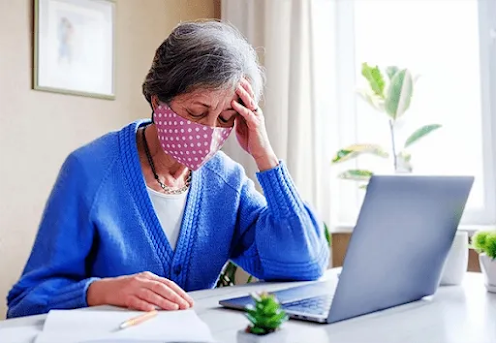
The Elderly Are More Vulnerable to Infections, Including Pneumonia
Every year we hear about the thousands of people who die from pneumonia. The Centers for Disease Control & Prevention (CDC) reports that in 2022 there were over 40,000 deaths in the US due to pneumonia and most of them were over the age of 65. Weakened immune systems, a greater prevalence of chronic diseases, and age-related changes in lung function all contribute to making the elderly more vulnerable to infections including pneumonia.
The CDC ranks pneumonia as the 10th leading cause of death with a mortality rate for severe pneumonia in the elderly as high as 20 percent. The Cleveland Clinic explains pneumonia is inflammation and fluid in the lungs caused by a bacterial, viral or fungal infection. Symptoms include a fever, difficulty breathing and a cough with yellow, green or bloody mucus. The flu, COVID-19 and pneumococcal disease are common causes of pneumonia; and treatment is based on the cause and severity.
Bacterial infections include Streptococcus pneumoniae, and are one of the most common forms of pneumonia affecting the elderly. Viruses like the common cold as well as COVID-19 can be the cause of viral pneumonia as well as a secondary bacterial lung infection. Experts explain that while bacterial and viral pneumonia is contagious, many elderly people give themselves pneumonia. They say this is because Streptococcus pneumoniae and other variations of bacterial pneumoniae are already in our respiratory tract.
William Schaffner, M.D., medical director of the National Foundation for Infectious Diseases and professor of preventive medicine and infectious diseases at Vanderbilt University School of Medicine, explains, “Frail elders often can’t clear secretions from their lungs, and those secretions tend to go down into the bronchial tubes. The area fills with pus, mucous and other liquids, preventing the lungs from functioning properly.” This causes oxygen to be unable to reach the blood and cells. Complications include sepsis in addition to fluid and infection.
Antibiotics are used to treat bacterial pneumonia. If viral, doctors use anti-viral medications, and if called for, may administer fluids or oxygen therapy. To help prevent a loved one from getting pneumonia, Dr. Schaffner recommends getting an annual flu shot, a pneumococcal vaccine and keeping up with your COVID-19 booster shots. He says it is also important to maintain a healthy lifestyle including a healthy weight; and if you smoke, quit, and maintain good oral health.
If you are looking for assisted living in Albuquerque, NM, we encourage you to consider MorningStar. MorningStar of Albuquerque provides stylish suites, wellness programs and activities, and a wide range of care services to ensure residents’ utmost comfort and wellbeing. Please contact us or visit our website for more information about retirement homes Albuquerque.
MorningStar’s foundation is based on the mission to honor God, value seniors and invest in our staff to create a unique senior living experience. Set in a warm, loving atmosphere with beautiful surroundings and resort-style amenities, we provide the finest senior apartments and assisted living Albuquerque, NM has to offer. Please contact us or visit our website for more information.
Source: agingcare.com/articles/pneumonia-and-elders-why-they-are-more-susceptible136822.htm

Learn More About Dementia
Many of us, especially seniors, have heard or known someone with Alzheimer’s disease and have an idea of the devastation it causes. While there are other types of diseases categorized as dementia, Alzheimer’s is by far the most common form of dementia accounting for 60 to 80 percent of cases. You should know dementia is not actually a specific disease but refers to a decline in a person’s mental ability to such a degree it interferes with their daily life.
It is also important to understand dementia is not a normal condition of aging but rather caused by damage to brain cells that affect a person’s memory, reasoning and other cognitive skills including an ability to communicate. There are several types of clinical dementia including: Alzheimer’s disease; vascular dementia; dementia with Lewy Body; and frontotemporal dementia. Mixed dementia is the term used when a person has both Alzheimer’s and another form of dementia, which is causing their mental decline.
The Alzheimer’s Association says the “most common early symptom of Alzheimer’s is trouble remembering new information because the disease typically impacts the part of the brain associated with learning first.” As the disease progresses, the person is robbed of many other abilities such as speaking, swallowing and walking.
To help get the proper diagnosis and rule out other causes that may be treatable such as side effects from a medication, it is important to see your doctor. If warranted, they may have you see a specialist that can do further testing.
At MorningStar, our goal is to provide exceptional assisted living in Albuquerque, which includes care in our Reflections Neighborhood for residents with memory loss diseases. Our holistic approach is guided by our signature program, Lavender Sky, and we help residents and their families navigate this challenging journey with love and compassion. Contact us or visit our website for more information about MorningStar of Albuquerque, retirement homes.
MorningStar is guided by a culture rooted in our mission of honoring God, valuing seniors, and investing in our team, which allows us to deliver services with warmth, sincerity and depth of purpose. We have built a reputation for creating homes filled with an atmosphere of love and community. Contact us for more information about the finest senior apartments Albuquerque, NM has to offer.
Source: alz.org/alzheimers-dementia/difference-between-dementia-and-alzheimer-s

Foods That Are Best Avoided if You Have Arthritis
Studies show there are steps people can take to help control the inflammation associated with the pain, stiffness and other health complications of arthritis. Along with medications, experts say modifying our diet and avoiding certain foods known to increase inflammation can help.
Red meat is high on the list to avoid if you have arthritis. As it is higher in saturated fat than white meat or plant-based proteins, studies find red meat increases a person’s levels of inflammation and worsens joint swelling and arthritis symptoms. To get enough protein in your diet, substitute red meat with chicken, fish, legumes and things like nuts and seeds.
Full-fat dairy products may also increase inflammation and lead to worsening of arthritis symptoms. Experts say opt for skim milk or plant-based milk, and substitute full-fat yogurt with low, or no-fat yogurt or kefir. The probiotics in foods such as yogurt and kefir may help reduce inflammation according to some studies.
Processed foods are associated with obesity and insulin resistance, and may also increase arthritis symptoms. These include frozen meals, lunchmeat, baked goods, fast food, and packaged snacks, which typically contain refined grains, added sugar, high salt content, and fats to help them last on store shelves and maintain flavor. Keep in mind sugar is not only in candy, soda and desserts but can be added to many foods such as cereals, barbeque sauce, coffee drinks, sweet teas and fruit juices. In terms of sugar, the recommended daily amount is 9 teaspoons. Moreover, be aware of hidden sugars with words like sucrose and fructose.
Experts say if you drink alcohol to moderate your intake. Other foods to avoid or eat in moderation include refined carbohydrates found in white bread, white rice, pasta and cereals made with white flour. Rather eat food made from corn, whole wheat or brown rice flour. The Arthritis Foundation says, “While there’s no miracle diet for arthritis, many foods can help fight inflammation and improve joint pain and other symptoms. For starters, a diet rich in whole foods, including fruits, vegetables, fish, nuts and beans, but low processed foods and saturated fat, is not only great for overall health, but can also help manage disease activity.”
MorningStar of Albuquerque provides seniors with a vibrant and carefree lifestyle to help live life to the fullest. Our community offers assisted living suites in a variety of floor plans equipped with kitchenettes, handicapped-accessible bathrooms, and emergency call systems. Residents enjoy gourmet dining, fitness center, theater, salon and fireside patio along with wellness programs and activities. For those with Alzheimer’s and other dementia-related diseases, our Reflections Neighborhood offers memory care designed to enhance quality of life for our most tender residents. Please contact us for more information about luxury retirement homes in Albuquerque, NM.
MorningStar takes tremendous pride in the reputation we have earned for excellence and authenticity since our inception in 2003. We believe the human capacity to grow, to learn and to contribute is ageless; and we act upon that truth daily, as we care for, inspire, and love the residents under our roof. Contact us for more information about the finest senior apartments Albuquerque has to offer.

Osteoporosis: Recommended and Restricted Dietary Choices
The Medical News Today says 10 million people in the U.S. have osteoporosis, and adults over age 50 are at a greater risk. In fact, 1 in 3 females and 1 in 5 males over 50 suffer a broken bone due to osteoporosis. Combined, osteoporosis or low bone mass affects 54% of Americans. Those with a family history of the disease, low weight, smokers, or drink excessive amounts of alcohol are at higher risk.
Normal bone metabolism is a constant breaking down and rebuilding process that slows with aging, menopause and certain medications. Doctors say diet plays a role in a person’s ability to maintain bone mass and includes foods rich in calcium, vitamin D, and protein. Micronutrients and antioxidants found in fruits and vegetables also increase bone mineral density and help reduce bone loss. Things to avoid include a high consumption of salty foods and caffeine.
Recommendation for females 51 years and older is 1,200 mg of calcium daily. For men, it is 1,000 mg. Calcium is found in foods such as dairy, soy, fish with bones, and dark, leafy greens; and suggestions include oatmeal, sardines, cheddar cheese, nonfat milk, tofu and beans. In order to absorb calcium, our bodies need vitamin D from sunlight or food. Foods with vitamin D include egg yolks, beef livers and foods fortified with D such as milk, orange juice and cereals.
Other studies link protein and calcium to better bone health. Food high in protein includes meat, poultry and fish; eggs, dairy, soy, beans, lentils, legumes; and nuts and seeds.
If you have osteoporosis or low bone mass you should limit your salt. The National Institute of Arthritis and Musculoskeletal and Skin Diseases cautions overconsumption of salt can cause the kidneys to excrete calcium. They say excessive alcohol can also interfere with the body’s absorption of calcium and vitamin D as well as disrupt hormones including elevating cortisol levels that can break down more bone.
Seniors receive the support they need in a vibrant community with MorningStar’s assisted living in Albuquerque, NM. Our beautiful home offers residents a wide range of hospitality and senior care services, luxury amenities, signature wellness programs and a calendar full of activities. Amenities include healthy, delicious meals prepared under the direction of our Executive Chef and served all day in our full-service dining rooms. In addition, our distinct Reflections Neighborhood creates a safe, comforting environment for those living with memory loss diseases. Visit our website to learn more about MorningStar of Albuquerque retirement homes.
MorningStar’s foundation is based on the mission to honor God, value seniors and invest in our staff to create a unique senior living experience. Set in a warm, loving atmosphere with beautiful surroundings and resort-style amenities, we provide the finest senior apartments Albuquerque, NM has to offer. Please contact us or visit our website for more information.
How to Start a Seniors-Only Hiking Club

There’s something magical about being out in nature. The fresh air, the sound of birds, and the feeling of accomplishment after a good walk—it’s all incredibly refreshing.
For seniors in retirement homes, starting a hiking club is a fantastic way to stay active, socialize, and explore the great outdoors. And with a little planning, it’s easier than you might think!
Why Start a Hiking Club?
A seniors-only hiking club offers many benefits:
Physical Health: Hiking is a low-impact exercise that strengthens muscles, improves balance, and supports heart health.
Mental Well-Being: Spending time in nature reduces stress and boosts mood, helping combat feelings of loneliness or seasonal sadness.
Social Connections: A hiking club creates opportunities to bond with others and share meaningful experiences.
Getting Started
Here’s how to launch a hiking club that’s fun, safe, and welcoming for everyone:
Find Your Core Group: Start by talking to friends or fellow residents. You only need a few interested people to get the ball rolling.
Plan Accessible Routes: Choose trails that are well-maintained, easy to navigate, and suited to varying fitness levels. Parks with loop trails or flat paths are great options.
Schedule Regular Outings: Pick a day and time that works for most members. Weekly or bi-weekly hikes keep the momentum going and give everyone something to look forward to.
Prepare Safety Essentials: Encourage members to bring water, wear sturdy shoes, and dress in layers. Having a small first-aid kit and a charged phone is also a good idea.
Make It Fun: Plan themed hikes, like bird-watching walks or picnics at the end of the trail. Adding an activity makes each outing more engaging.
Hiking Club Success
Janet, a resident in retirement homes Lakewood CO, started her hiking club after realizing how much she missed being outdoors. “I wasn’t sure if anyone else would join, but once I mentioned it, several neighbors were immediately interested,” She shared.
Her group began with easy walks around local parks, gradually tackling more scenic routes with gentle hills. Now, they’re a tight-knit group that not only hikes but also celebrates birthdays and shares post-hike lunches. “It’s the highlight of my week,” Janet said. “I’ve made new friends and feel stronger than I have in years.”
Tips for Making It Last
Be Flexible: Adjust plans to accommodate members’ needs, like choosing shorter trails in colder weather.
Celebrate Milestones: Recognize achievements, like completing a certain number of hikes or exploring a new location.
Welcome New Members: Keep the club open to anyone interested—it’s a great way to grow your social circle.
Nature and Community
In senior assisted living Lakewood, hiking clubs offer a unique way to blend exercise with camaraderie. Many communities support these efforts by arranging transportation, providing resources like trail maps, and encouraging residents to participate in outdoor activities.