
Why More Plants on the Plate Can Help Seniors Feel Their Best
Choosing what to eat each day is one of the few habits we carry with us through every stage of life. For many older adults, gently shifting toward a more plant centered way of eating has brought real improvements in how they feel. A plant based pattern does not have to mean giving up every animal product. It simply means that fruits, vegetables, whole grains, beans, nuts, and seeds take center stage more often.
Better Support for the Heart
Heart health is a major concern in later years, and food plays a big part. Plant foods tend to be lower in saturated fat and free of dietary cholesterol. When meals lean heavily on vegetables, beans, oats, and other whole grains, blood pressure and cholesterol levels often move in a healthier direction.
I once met a woman from senior living Lakewood who began eating oatmeal with fruit most mornings, swapped some meat based dinners for bean soups and stir fries, and noticed her energy improve alongside her lab numbers. Her experience is common when changes are steady and realistic.
Gentler Digestion
A common complaint as we age is feeling “sluggish” after meals or struggling with constipation. Plants bring fiber, and fiber helps keep digestion moving in a comfortable rhythm. Oats at breakfast, a salad or vegetable soup at lunch, and beans or lentils at dinner can make a noticeable difference without drastic measures.
Starting slowly is important. Adding one new fiber rich food at a time and sipping water throughout the day gives the digestive system time to adapt.
Support for Weight and Blood Sugar
Carrying extra weight can put stress on joints, the heart, and blood sugar control. Plant forward meals in memory care are often less calorie dense and more filling, which can help with gentle weight loss or maintenance. Focusing on baked potatoes with toppings like beans and vegetables, hearty grain bowls, and colorful stir fries can keep meals satisfying.
Brain and Mood Benefits
The brain also responds to what we eat. Foods rich in antioxidants and healthy fats may help the brain handle everyday stress. Berries, leafy greens, walnuts, flaxseeds, and other plant foods contain compounds that support blood flow and reduce inflammation.
Many seniors report feeling more clear headed and steady in their mood when they regularly include these foods, along with staying hydrated and moving their bodies in ways that fit their abilities.
Lower Risk of Long Term Illness
Plant based patterns are associated with a lower risk of type 2 diabetes, certain cancers, and inflammatory conditions. Whole plant foods provide vitamins, minerals, and protective plant chemicals that strengthen the immune system.
Whether someone cooks for themselves or enjoys meals provided in senior apartments Lakewood, small changes like adding an extra serving of vegetables, choosing brown rice instead of white, or serving fruit for dessert can slowly reshape eating habits. Over time, these choices can help seniors feel more vibrant, more comfortable in their bodies, and better supported for the years ahead.
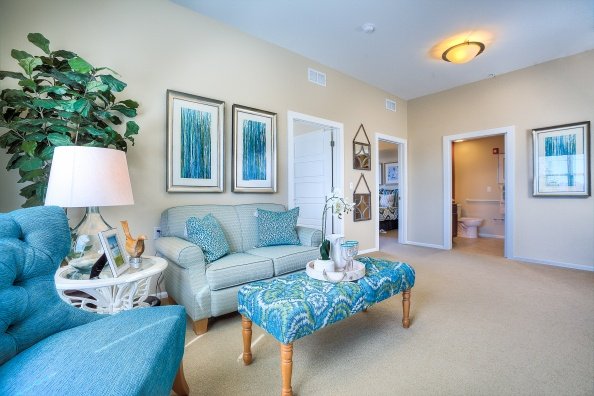
Discover MorningStar of Albuquerque
You may have found that there are several communities offering assisted living in Albuquerque, NM and may wonder what sets MorningStar apart from the others. To start with, we provide residents with beautiful surroundings with a full range of care and hospitality services, luxury amenities, and a component of wellness programs and activities to allow them to live life to the fullest.
MorningStar of Albuquerque’s assisted living is designed for those who want to maintain their independence but require some help with their day-to-day personal care activities. Assisted living at MorningStar offers five levels of care along with a wide range of auxiliary medical and non-medical services. MorningStar is also proud to have earned a reputation as dementia care specialists in our 30+ communities offering memory care. The Reflections Neighborhood at MorningStar of Albuquerque offers a holistic approach to caring for those living with Alzheimer’s and other dementia-related diseases.
However, the thing that really sets us apart from other communities is our unique mission statement. MorningStar Senior Living was founded by Ken Jaeger, whose intention has always been to provide senior apartments that feels like a loving home (just like his grandmother’s) and offers a sense of “family.” Our three-pillared mission statement is to honor God in our business practices and relationships; value all seniors as gifted and contributing individuals; and invest generously in our teams’ ability to serve well.
MorningStar’s extraordinary team is another reason we stand out from the rest. Our team selection starts with heart, and we specifically seek out individuals who have a felt calling to serve and are willing to go the extra mile to ensure residents receive first-class care and services. Furthermore, we train our entire team in our culture we call Radiance, which lovingly guides the way we deliver service.
Please visit our website for more information about assisted living and memory care at MorningStar of Albuquerque. While you are there, use the link to set up a tour to see firsthand our beautiful home. We look forward to hearing from you.
MorningStar takes tremendous pride in the reputation we have earned for excellence and authenticity since our inception in 2003. We believe the human capacity to grow, to learn and to contribute is ageless; and we act upon that truth daily, as we care for, inspire, and love the residents under our roof. Contact us to learn more about the finest memory care and assisted living Albuquerque, NM offers.

Beating the Winter Blues: Mood Boosting Habits for Seniors
Shorter days and colder weather can leave anyone feeling a bit low, and for many seniors, winter brings a noticeable dip in mood and motivation. The good news is that you do not have to simply wait for spring. A few thoughtful habits in retirement communities can soften the winter slump and help you feel more steady, even when the sun feels far away.
Understand what you are feeling
The winter blues are often linked to less sunlight, disrupted routines, and more time indoors. You might notice:
Lower energy or interest in favorite activities
Sleeping more or having trouble feeling rested
Feeling more irritable or down than usual
Naming what is going on can reduce worry. You are not weak or lazy, your body and brain are responding to a seasonal change.
Bring in more light and a bit of movement
Light helps regulate your internal clock and supports mood. When possible, open curtains wide and sit near a window during the brightest part of the day. If weather allows, step outside for a few minutes, even if it is just on a balcony or porch.
Pair light with gentle movement:
Short indoor walks around the hallway or living room
Simple stretches after you wake up
A brief, seated exercise video or routine
Ten minutes here and there is better than aiming for long workouts you will not do.
Stay connected in small, steady ways
Winter can make social time feel harder to arrange, yet human contact is one of the strongest buffers against low mood.You might:
Schedule regular phone calls with friends or family
Join a small group activity, such as a card game or craft circle
Invite a neighbor for tea or coffee once a week
In places like assisted living Boise, many seniors find that simply showing up for one regular activity, such as a discussion group or music hour, helps them feel less isolated and more anchored in the week.
Support sleep and daily rhythm
Going to bed and waking at roughly the same time each day helps your body know what to expect. Create a gentle evening routine, in senior living such as dimming lights, turning off screens, and listening to calm music or reading a few pages. Try to get dressed each morning and move to a chair or another room rather than staying in bed. These small cues tell your mind that the day is underway.
Give yourself small things to look forward to
Plan tiny bright spots into each day. This could be a favorite radio show, working on a puzzle, writing to a grandchild, or enjoying a special snack. Marking these on a calendar can create a sense of anticipation. If your mood remains very low, or you lose interest in nearly everything, talk with a health professional. Winter may be a factor, but treatable depression can also play a role, and help is available.
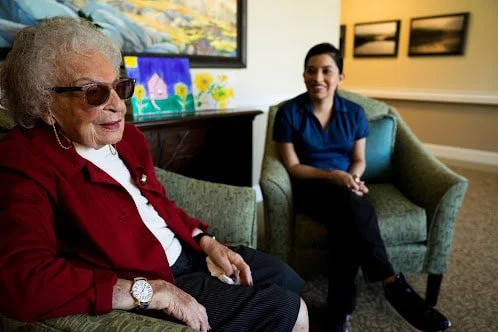
What to Know About Late-Onset Alzheimer’s
Many people worry about memory changes as they grow older. Forgetting a name or misplacing keys from time to time can be a normal part of aging. Late onset Alzheimer’s, which usually appears after age 65, involves more persistent and progressive changes that interfere with daily life. Understanding what to watch for in memory care Lakewood, and how to respond can help families seek support sooner and plan with more clarity.
Early signs that deserve attention
Late onset Alzheimer’s often begins quietly. Early signs may include:
Repeating the same questions or stories within a short time
Losing track of dates, appointments, or recently learned information
Having trouble following familiar recipes or managing bills
Getting turned around in places that used to feel easy to navigate
These changes tend to become more frequent and noticeable over months and years rather than days.
How it differs from typical aging
Normal aging might look like occasionally searching for the right word or needing a reminder about an event. With Alzheimer’s, memory problems begin to affect independence. A person may forget important events entirely, struggle to carry out multi step tasks, or rely heavily on others for things they once handled alone. Mood and personality can also shift, with increased anxiety, suspicion, or withdrawal from favorite activities.
Seeking evaluation and support
If you or someone you love shows several of these signs, it is wise to consult a health care provider. Evaluation may include memory tests, physical exams, and sometimes brain imaging. While there is no cure, early diagnosis can:
Rule out other treatable causes of symptoms
Allow time to plan legal and financial matters
Open access to medications, therapies, and support resources
In places like senior living Lakewood, families often work with staff and medical professionals to adapt routines and environments as needs change.
Everyday strategies that can help
Structure and simplicity are powerful tools. Helpful approaches include:
Keeping a regular daily schedule
Using labels or notes to identify drawers, rooms, or steps in a task
Reducing clutter and noise to lower confusion
Offering choices, but limiting them to avoid overwhelm
Caregivers in senior apartments benefit from support as well. Local support groups, respite care, and counseling can ease the emotional and practical strain that often comes with this diagnosis.
Knowing more about late onset Alzheimer’s does not remove the difficulty, but it can replace some fear with understanding. With information, planning, and support, families can navigate this condition with more patience, safety, and moments of connection.
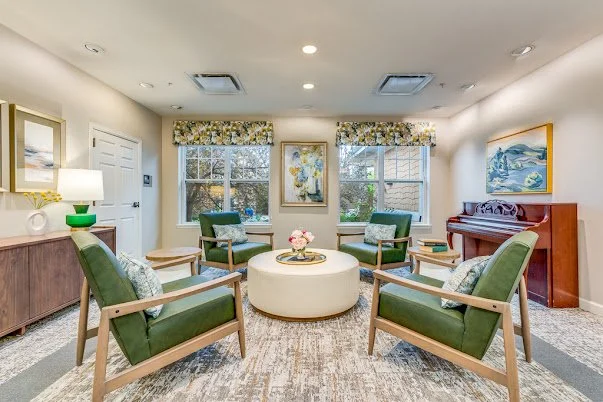
How to Stay Social Without Leaving Home
There are seasons of life when getting out is not as easy as it used to be. Weather, mobility changes, or health concerns can all limit how often you see people in person. Even so, staying connected is deeply important. Conversation, shared laughter, and feeling remembered all support emotional and cognitive health. With a few modern tools and some traditional touches, you can keep a rich social life without going far from your favorite chair in senior living Lakewood.
Make the most of phone calls
The simplest technology is often the most powerful. In assisted living facilities regular phone calls with family and friends can be a lifeline. You might:
Schedule a weekly call with a friend at the same time each week
Keep a short list of people you can reach out to when you have a good story or need to hear a familiar voice
Use speakerphone or a headset if holding the phone is tiring
Short, frequent conversations often feel more manageable than long, rare ones.
Use video chats for “face to face” time
Seeing someone’s smile adds warmth that a voice alone may not provide. Video calls through services like Zoom, FaceTime, or similar apps allow you to:
Watch grandchildren show school projects
Share a cup of tea with a friend who lives far away
Join family celebrations from home
If setting up a call feels confusing, ask a relative, staff member, or neighbor to walk you through the steps and write them down in simple language.
Join virtual groups and activities
Many organizations now host online gatherings. Options include:
Book clubs that meet by video
Faith services streamed online
Exercise or stretching classes you can follow from your living room
Hobby groups for knitting, painting, or card games
Participating regularly helps you feel part of something larger. In places like assisted living Lakewood, staff sometimes organize group video sessions so residents can attend together from a common room.
Keep using letters and small surprises
Not all connection need a screen. Handwritten notes, postcards, or printed photos slipped into the mail can mean a lot. You might create a habit of sending one letter a week to someone who has been on your mind. Receiving mail in return brings a sense of anticipation and care.
Create your own social rhythm
Think about what kind of contact feels best – a daily check in, a few calls a week, or one group activity you attend regularly. Building a simple plan around that helps the days feel less isolated. With a mix of calls, virtual visits, written notes, and shared activities, you can keep friendships alive and even make new ones without needing to leave home very often.

It’s Never Too Late to Follow a Budget
As we age, many of us worry about whether we will have enough money to provide for our future needs. Rather than spending time worrying about it, experts say even if you have never followed a monthly budget it is not too late to create and follow one. It will give you a sense of where you stand and the confidence to make any needed adjustments along the way.
The National Council on Aging (NCOA) and LeadingAge LTSS Center @ UMass Boston found American adults have a financial literacy rate of around 50%, and many feel anxious when thinking about their financial situation. However, they want seniors to know money management is not as complicated as it sounds and a budget allows you to get a good picture of where you stand now and how you will fare in the future. Medicare expert Brandy Bauer, former Director of NCOA’s MIPPA Resource Center, says, “being educated on how money management works—and learning how to implement strategies for managing debt, saving more money, and stretching the dollars they have—is so important, especially for seniors on a fixed income.”
To get started, be sure to get information from trusted sources to help you build good money and debt management skills. NCOA offers tips such as using a budget calendar to track spending. This allows you to more easily understand your monthly income versus expenditures; and seeing it on paper lets you discover strategies on where you may be able to reduce expenses.
Money saving tips include looking into special discounts designed for seniors. While some are intended for those on a lower income such as heating allowances and reduced prescription drug prices; other things like cheaper phone plans to public transportation and private entertainment venues are available to most seniors.
If you are a homeowner, you may want to meet with a financial advisor to see how you can leverage the value of your home to increase your monthly income. Managing monthly expenses should also include making plans on how you want to distribute your money after your demise.
MorningStar of Beaverton offers an integrated senior living model that seamlessly combinesindependent living and assisted living under one roof to allow residents to age in place with confidence.We offer 66 beautifully appointed private suites in a variety of spacious studio, one-bedroom, and two-bedroom configurations to meet most needs. For seniors with Alzheimer’s and other forms of dementia, our distinct Reflections Neighborhood provides 38 all-inclusive memory care suites for individualized, compassionate care. Visit our website to learn more about one of the top retirement communities in Beaverton.

Help in Diagnosing Fatigue Symptoms
If you are feeling an overwhelming sense of tiredness or lack of energy that is zapping your ability to enjoy life to its fullest, it may be time to figure out what is causing your problem. Experts say fatigue that lasts for several weeks should be looked into as it may be a signal of a more serious mental or physical condition.
One of your first steps is to have a thorough examination by your healthcare provider to rule out medical conditions and issues that may be the root of the problem. For instance, the Harvard Medical School website says fatigue can be the predominant symptom in depression. Other common things to look at include medications known to cause drowsiness.
Health conditions such as infections, anemia, heart disease, chronic kidney disease, cancer, neurological conditions, and autoimmune conditions can be factors. Hypothyroidism, a condition where the thyroid is underactive and produces inadequate levels of thyroid hormone, also causes extreme tiredness. The condition is more common in women and increases with age.
When fatigue does not appear to be from a medical condition, it is the time to look at lifestyle habits. One red light is chronic stress. In fact, there is an actual physical component that occurs when stress levels go up, which causes a hormone called cortisol to rise. This in turn, triggers problems with sleep and feelings of anxiety and other symptoms.
Hormonal changes due to menopause can also increase fatigue. Symptoms like hot flashes may occur at night and result in an interrupted night’s sleep. Another cause of fatigue can be dietary and result in a person not getting adequate levels of essential vitamins and minerals. Finally, doctors say poor sleep habits such as drinking caffeine and alcohol late in the day, sleeping in a room with too many distractions, inconsistent sleep times and not enough daily exercise, can result in fatigue.
The MorningStar of Beaverton retirement communities seamlessly blendsindependent living and assisted livingto provide carefree retirement years to ensure residentscan fully engage in life.Our 66 suites are available in a choice of floorplans and configurations (some as large as 974 square feet); and deliver style, comfort, services, amenities and location. For those suffering from Alzheimer’s and dementia-related diseases, we offer 38 memory care suites. Visit our website to learn more about desirable senior living in Beaverton.

Senior-Friendly Interior Design Tips for Function and Style
A home feels best when it is both comfortable and easy to move around in. For older adults in assisted living Lakewood, good design is not only about looks. It also supports safety, independence, and everyday routines. A few thoughtful choices can turn even a small apartment into a space that is calm, practical, and full of personality.
Start with clear pathways
One of the most important design decisions is not about what you add, but what you remove. Cluttered floors and crowded furniture make it harder to move safely. Aim for:
Wide, open walkways between rooms
Furniture with legs that are easy to see
Fewer small rugs or, if needed, rugs with non slip backing
Keeping paths clear lowers the risk of trips and makes it simpler to use walkers or canes if those are part of daily life.
Choose furniture that supports the body
Chairs and sofas should feel welcoming, not like you are sinking into a hole. Look for firm cushions, arms you can push against when standing, and seats that are not too low. A sturdy chair with a straight back near a window can become a favorite reading spot. Side tables should be at a comfortable height so you are not reaching or twisting to set down a drink, book, or glasses.
Use light to create warmth and safety
Good lighting does more than brighten a room. It helps you see edges, read labels, and recognize faces. Mix overhead lighting with lamps at different heights. Soft, warm bulbs can make the space feel cozy while still providing enough light. Night lights in hallways and bathrooms are especially helpful if you get up during the night. Opening curtains during the day, even in winter, can make small spaces feel larger and more cheerful.
Add storage that keeps essentials close
Storage does not have to mean bulky cabinets. Consider small bookcases, baskets on shelves, and ottomans that open for extra space. Place everyday items at waist to shoulder height to avoid bending and reaching overhead. Hooks by the door for keys, bags, or jackets keep exits and entrances smoother. In places like senior living Lakewood, small storage solutions often make the difference between a room that feels cramped and one that feels organized and calm.
Bring in personal touches
In assisted living, a few well chosen pieces can make a space feel like home. Family photos, a favorite quilt, framed artwork, or a shelf with beloved books all add warmth. The key is to select items that make you smile without overcrowding surfaces. Plants, even small ones, can add life and color. When function and style work together, your home becomes a place that supports who you are now and how you want to live each day.

How Aromas Support Seniors in Community Life
Walking into a room that smells softly of lavender or catching a hint of citrus in a sunny lounge can change how a space feels in an instant. Gentle smells can steady the nervous system, stir up pleasant memories, and make shared areas feel more inviting. For many seniors, especially those living in retirement communities, thoughtful use of scent has become one of those small tools that quietly supports comfort and connection.
How familiar smells support mood and memory
Our sense of smell is closely tied to the parts of the brain that handle emotion and memory. That is why a whiff of baking spices can suddenly bring back a childhood kitchen or a particular holiday. In older adults who live with dementia or other cognitive changes, these sensory anchors can offer a sense of familiarity when other details feel blurry.
Pleasant scents can:
Take the edge off anxiety during transitions or busy times of day
Create gentle routines, such as a calming smell in the evening
Spark conversation as memories surface around certain aromas
The goal is not to “fix” memory, but to offer small moments of recognition and ease.
Commonly used scents and why they are chosen
Certain aromas show up often because many people respond positively to them:
Lavender: Often used in the late afternoon or evening to encourage relaxation and quieter moods.
Citrus such as orange or lemon: Bright and refreshing, helpful for morning activities or group gatherings where alertness and light energy are welcome.
Peppermint: Cooling and awakening, used carefully in shared spaces to support focus during card games, crafts, or other engaging activities.
These may be used in diffusers, diluted roll ons, or lightly scented cloths placed at a comfortable distance. The key is to keep scents gentle, not overpowering, and to adjust if anyone dislikes or reacts to a particular aroma.
Creating a softer atmosphere for everyone
Thoughtful use of scent in assisted living Boise can help shape the feel of common areas without calling much attention to itself. A mild, consistent fragrance in a lounge or hallway can make the space feel warmer and more settled. Personalized choices in private rooms in senior living can help residents feel known and respected.
Aromas work best as part of a larger picture that includes kind routines, familiar music, gentle lighting, and patient conversation. Within that mix, a well chosen scent becomes one more way to say, “You are safe here. This place is for you,” which is often what matters most in later life.