Best Sun Protection Tips for Seniors with Sensitive Skin

Age thins the skin and saps moisture making the delicate covering of older adults prone to burning, discoloration, and inflammation. Seniors with sensitive skin often avoid wearing sunscreen due to stinging ingredients or goopy texture. The answer is a combination of timing, protective barriers, and skin-friendly formulas so you can experience the outdoors in comfort.
Reschedule outdoor chores in assisted living Lakewood to before 10 a.m. or after 4 p.m. when there is less ultraviolet radiation. Mornings are ideal for gardening or an early evening walk in the neighborhood to get your vitamin D dose without subjecting sensitive skin to intense midday sun. If errands must be done during the high UV hours, walk or stand on the shaded side of the street.
Clothing is your first line of defense. Choose lightweight long sleeved shirts, pants, and skirts that advertise UPF 50 on the label. UPF (ultraviolet protection factor) 50 means ninety eight percent of UV rays are blocked but the material will feel as light as cotton. Outdoor brands that cater to hikers often make lightweight garments that have flat seams and collarless necklines to minimize rubbing against sensitive areas like the inside of your elbow.
A broad brimmed hat shields your scalp, ears, and the often neglected neck in the back. A hat with a built in sweatband will help prevent perspiration from chafing your forehead. Sunglasses need an ANSI rating that ensures coverage from UVA and UVB radiation as well as brightness.
Sunscreen formulas that contain zinc oxide or titanium dioxide are known as mineral sunscreens because they lay on top of the skin instead of being absorbed into it. This makes them less likely to cause rashes. Newer formulas are lightweight and rub in fast, leaving only a thin, moisturizing residue. Apply a nickel sized amount to each arm and face half an hour before you go outside.
Tip of the ears, top of the feet, and the hair part are all often overlooked hotspots. Use a small cosmetic brush to dot sunscreen precisely down these lines and avoid clumping. Reapply after every two hours or immediately following a swim even if the sunscreen advertises water resistance.
Keep sunscreen and after sun lotion in the refrigerator in your senior assisted living Lakewood apartment for extra calming. The cold constricts surface capillaries and feels indulgent on hot afternoons. Aloe gel with few ingredients and no fragrance can be applied under your mineral sunscreen for extra hydration and to help alleviate itching.
Perform a skin self check once a month. Check your back in a full length mirror for new moles, scaly patches, or spots that itch or bleed. Early detection of skin cancer will give you treatment options that protect both your health and appearance.
Pair smart routines with gentle products in retirement communities and you can face the sun with confidence instead of concern.
How to Maintain a Healthy Weight After 65

Older adults in senior living Lakewood burn fewer calories and have less muscle mass, which make it more difficult to lose weight. Medical issues also may reduce the ability to exercise vigorously. Staying at a healthy weight can keep you moving and help prevent chronic diseases.
Here’s how to manage your weight by using the right balance of nutrition, light activity, and a positive attitude.
Eat more protein.
Aim for about twenty to thirty grams of lean, complete protein at each meal. Older adults need more protein per pound of body weight to maintain muscle. Good sources include eggs, Greek yogurt, beans, and fish. Protein is more filling, so you’ll be less tempted to snack on junk food later.
Select high fiber carbohydrates.
Foods like whole oats, quinoa, and lentils help you feel full and satisfied for longer. These low glycemic index carbs digest more slowly, which can help you avoid blood sugar spikes and reduce cravings. Adults should try to eat at least twenty five grams of fiber a day to promote digestive health. Drink plenty of water to prevent constipation.
Pay attention to portion sizes.
A nine inch plate is ideal. Fill half the plate with non-starchy vegetables. Divide the remaining space into quarters, with one quarter protein and the other quarter grains or starchy vegetables. This approach can help you plan your meals easily and avoid overeating.
Do some resistance training two or three times per week.
Light weights, resistance bands, and even wall push ups help build muscle mass. Having more muscle will help you burn more calories throughout the day. Try to do one set of eight repetitions of each exercise and work up from there.
Move around more often.
While in assisted living facilities an extra five hundred steps per hour can add up to more calories burned. Get up and walk around the house during commercials if you usually sit down to watch TV.
Eat mindfully.
Enjoy your food by sitting at a table, turning off distractions, and chewing slowly. Rate your hunger on a scale from one to ten before you go back for seconds or seconds.
Ask your doctor to review your medications.
Certain drugs, such as some antidepressants and diabetes medications, can cause weight gain. He or she may be able to adjust your dose or change your prescription.
Don’t focus only on the number on the scale.
Aim to increase your stamina or aim to button one more button on your jeans. Remember that maintaining a healthy weight is a long term goal.
A slow and steady approach with healthy and realistic changes can help you achieve your goals without feeling like you’re missing out on the joy of eating or social meals in assisted living Lakewood.
Summer Hydrating Foods: Don’t Just Drink, Eat Water

As temperatures soar this summer in senior living Lakewood, make sure you do not just drink water to stay hydrated. You can find water in many fruits and vegetables. They are loaded with minerals and are naturally low in calories. Hydrating foods are ideal for seniors who want to reach their fluid intake goals and who may become bloated from drinking too many pitchers of plain water.
Try these delicious and refreshing foods on hot days:
Watermelon is an obvious choice for summertime hydration. In fact, it is almost 92% water. Watermelon is also a good source of potassium, which plays an important role in maintaining healthy blood pressure. Keep a bowl of bite sized chunks in the refrigerator. Snack on watermelon throughout the day or combine it with fresh mint leaves to make a quick and easy slushie. Cantaloupe and honey dew are also high in water and may be easier to digest.
Add hydration and flavor to regular water by slicing half of a cucumber and placing it in a pitcher of plain water. You will drink more throughout the day simply because it has more flavor. Use cucumber ribbons in place of croutons on salads or toss them with plain yogurt, dill, and a little lemon juice for a delicious, crunchy side dish to go with grilled fish or chicken.
Leafy lettuces like romaine or butterhead are also more than 90% water. Make big salads that are packed with grilled chicken, fresh strawberries, and almonds for a light, satisfying meal. Add an olive oil and balsamic vinaigrette to help your body absorb fat soluble vitamins A and K.
Tomatoes are another great choice. They are high in water, but also lycopene, an antioxidant that may reduce the risk of prostate and heart disease. Roast cherry tomatoes with a little olive oil and garlic. In assisted living Lakewood chill in the refrigerator and then fold them into cold pasta for a make ahead meal that will taste even better the next day.
Try grilling zucchini, yellow squash, and bell peppers with only a little bit of seasoning. They will be done in minutes and they are a good choice because they replace electrolytes and water lost through sweating. Plus, their natural sweetness will curb your appetite for a carbohydrate loaded side dish.
Dairy is a smart choice as well. Kefir and low fat milk are about 87% water and they provide both protein and electrolytes in a single glass. Choose plain varieties and avoid fruit on the bottom yogurt and milk, which have added sugars. If dairy is a problem, almond or oat beverages fortified with calcium and vitamin D can be substituted. Keep in mind that they will not have as much protein.
Put a small bowl of frozen grapes or peach slices in the freezer. They will slowly melt in your mouth and cool you from the inside out. Plus, they are a great source of natural sugars for a gentle energy boost.
Combine smart food choices with regular sipping-on most days, eight to ten eight ounce glasses-and you will breeze through the warmest months feeling light, clear headed, and ready for fun in the sun in assisted living facilities Lakewood.
The Truth About Multivitamins for Seniors

When you’re wandering around the aisle of a drugstore, the shelves are lined with different types of multivitamins for seniors. We see them everywhere; they claim everything from a better memory to stronger bones to, you guessed it, boundless energy. But are these one pill taking care of all your vitamin and mineral needs and are they the right ones for you? The simple answer is, it depends on your diet, your health and the prescription drugs you are taking.
If you’ve lost your appetite or you are eating a restricted diet in assisted living Lakewood, multivitamins may be a good idea. A classic example of the former is vitamin B12, since our ability to absorb it decreases with age, due to a decrease in stomach acid production. A vitamin B12 deficiency could cause fatigue and nerve issues. However, a multivitamin with 100 percent of your daily value can prevent this issue.
Calcium and vitamin D are a good example of supplements that can increase your bone density. However, high levels of vitamin D may increase the risk of kidney stones in some and also interact with thyroid medications, so it’s not necessary for all seniors, especially if you eat dairy, calcium fortified plant milks or canned salmon regularly.
Multivitamins may also claim to have this or that brain herb such as ginkgo biloba or ginseng. The scientific evidence to support these is limited at best and many of these herbs thin the blood and affect blood sugar regulation, so ask your pharmacist about each ingredient.
Fat soluble vitamins (A, D, E, and K) require fat to be properly absorbed by the body, so a multivitamin taken with a low-fat breakfast cereal might not be as beneficial. Add some avocado, nuts or olive oil to breakfast when you take your pill.
If you take more than the recommended daily value for any supplement, you may have surpassed the tolerable upper intake levels. Too much vitamin A, for example, could lead to liver issues, and more iron than you need can cause constipation and increased oxidative stress. You should not take more iron unless you have a diagnosed deficiency.
Different brands have different quality standards in assisted living facilities, so look for multivitamins that are tested by an independent third party, such as USP or NSF. This will ensure that what’s on the label is what’s in the capsule or tablet and that it is free of harmful contaminants.
The best way to get the nutrition you need is with a healthy diet with a balance of colorful vegetables, quality protein, whole grains and healthy fats. In addition, these foods provide fiber which is very important for a healthy gut. Your doctor and registered dietitian can help you decide if you need a multivitamin based on a review of your recent lab results and other risk factors.
Supplements are best taken with a grain of salt and an educated view of the facts. There’s a reason that food is called ‘real’ food. Multivitamins can be a useful safety net if you have restrictions but they are not suitable for everyone in senior living Lakewood.
How to Organize Your Medications for Safety & Convenience
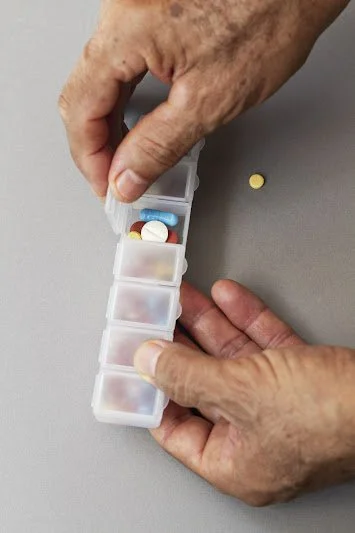
Keeping track of medications can feel like a full-time job. One bottle in the bathroom, another on the kitchen counter, maybe a few extras in your purse just in case. It adds up fast. And when prescriptions change, doses shift, or new vitamins get added to the mix, it’s easy to feel overwhelmed.
Here’s the good news: with a little organization in senior living, your medications can stop being a daily stress and start feeling like something that runs smoothly in the background.
Start with a full inventory
Gather everything: prescriptions, over-the-counter meds, supplements, and vitamins.
Check for duplicates or expired items.
Lay it all out in one place to get a clear picture of what you’re taking.
Create a master list
Write down the name, dosage, purpose, and time of day for each medication.
Note any special instructions, like “take with food” or “morning only.”
Keep a copy in your wallet or on your fridge in case of emergencies or appointments.
Use a pill organizer
Choose a weekly or monthly organizer based on your needs.
Look for versions with sections for morning, afternoon, and evening.
Refill it on the same day each week to stay consistent.
Set daily reminders
Use phone alarms or alerts if you’re tech-savvy.
Try visual cues like sticky notes on the bathroom mirror or coffee maker.
Pick whatever reminder fits best into your daily routine.
Store medications properly
Keep all medications in one designated spot.
Choose a cool, dry area away from heat and humidity.
Avoid storing pills in bathrooms or near the stove where temperature shifts occur.
Safely dispose of expired or unused medications
Don’t flush or toss them in the trash.
Look for take-back programs at your pharmacy or local police department.
Clearing out unused meds reduces the chance of confusion or accidents.
Have regular medication check-ins with your provider
Bring your updated list to every appointment.
Ask about side effects or possible interactions.
Talk through whether any medications could be reduced or simplified.
Here at retirement communities, we help residents set up systems that make medication management easier and safer. Whether it’s reviewing a list together, offering storage tips, or just reminding each other over breakfast, organizing your medications can take a big mental load off your day.
In communities like assisted living Boise, these small routines become part of living well. You stay in control, feel more confident, and spend less time worrying about pills and more time enjoying the life you’re building.
Why Radishes Are Great for Liver Health in Seniors

Radishes don’t usually steal the spotlight. They’re often tossed into salads as an afterthought or left sitting on the edge of the veggie tray. But if you’re looking for a way to support liver health without overhauling your diet in senior living, this crisp, peppery root might be one of the simplest tools you have.
The liver does a lot of behind-the-scenes work. It filters toxins, breaks down fats, and helps your body absorb important nutrients. As we age, it becomes even more important to support this hardworking organ with foods that are gentle, nourishing, and full of helpful compounds.
Radishes support natural detoxification
Your liver’s job is to filter out waste and chemicals from the body. Radishes are rich in compounds like glucosinolates and anthocyanins that help the liver do its job more efficiently. These compounds encourage the production of enzymes that support detox and protect liver cells from damage.
They’re high in antioxidants
Antioxidants fight off free radicals that cause inflammation and cell damage. Radishes contain vitamin C and other plant-based antioxidants that contribute to overall liver health. They help reduce oxidative stress, which can wear down your liver over time.
They’re easy on the digestive system
A sluggish digestive system can put extra pressure on your liver. Radishes are high in fiber and water, both of which support smooth digestion. They keep things moving, help prevent bloating, and give your liver less work to do.
They may help reduce fat buildup in the liver
Some studies suggest radishes can help lower liver fat levels, especially when combined with a balanced diet and active lifestyle. This matters because non-alcoholic fatty liver disease is increasingly common in older adults and often goes unnoticed until it causes more serious issues.
They’re incredibly easy to add to your meals
Slice them up for a salad, roast them as a side dish, or snack on them raw with a little hummus. Their mild spice adds flavor without overwhelming a meal. If you’re looking for a new veggie to rotate into your routine, radishes are a good fit.
In places like assisted living Boise, we often find that the simplest foods end up being the most helpful. Radishes are low in calories, high in nutrients, and packed with benefits for your liver and beyond. Around here, it’s not uncommon to hear residents swapping ideas for how to use them, from garden club recipes to lunchtime favorites in our dining spaces.
Supporting your liver doesn’t require supplements or a restrictive plan. It can be as easy as adding a crunchy, colorful veggie to your plate a few times a week. In many retirement communities, nutrition is part of how we care for our whole health, one small bite at a time.
Creative Therapies That Improve Quality of Life in Dementia

Dementia brings a lot of changes, not just in memory but in how someone connects with the world around them. It can feel like pieces of a person are slowly slipping away. But here’s what we’ve learned over the years: connection is still possible. Sometimes it just looks a little different. Creative therapies are one of the best ways to help people with dementia reconnect, express themselves, and find comfort in everyday life.
These approaches are not about fixing or reversing anything. They are about creating moments of joy, calm, and expression that meet people right where they are.
Art therapy opens up new ways to communicate
Painting, coloring, and working with clay give people a voice without needing words. Someone who rarely speaks might sit quietly with a paintbrush and suddenly focus with complete ease. The act of creating gives them a sense of purpose and calm.
Music unlocks memory and emotion
We’ve watched residents light up when a familiar song comes on. They might not remember the day of the week, but they know every word to a favorite tune from the past. Music can lift the mood, reduce anxiety, and bring comfort even in later stages of dementia.
Movement builds connection through the body
Gentle exercises, dancing, or even rhythmic clapping can help people feel more grounded. These activities support flexibility and balance while also boosting confidence. It is not about getting every step right. It is about feeling good in your body again.
Storytelling helps preserve identity
Even if someone cannot remember what they had for lunch, they might still recall the smell of their grandmother’s kitchen or a favorite vacation spot. Guided storytelling, photo prompts, or just filling in the blanks of a simple sentence can bring back beautiful pieces of their past.
Touch offers comfort when words fall short
A hand massage, soft blanket, or familiar object can be incredibly soothing. Touch-based therapy is especially helpful for people in more advanced stages who respond best to physical cues. It offers reassurance and human connection when conversation becomes difficult.
In senior living like in Boise, we make creative therapy part of everyday life. It is woven into routines in a way that feels natural. For those living in assisted living, and especially those navigating dementia, these gentle, sensory-based activities provide more than distraction. They offer a way to feel present, valued, and at peace.
Creative moments do not need to be long or complicated. Sometimes it takes just one song or a few brush strokes to change the energy of an entire afternoon. In many retirement communities, these small acts of expression are often the most powerful.
How to Manage Seasonal Allergies as a Senior

When spring rolls in with blooming flowers or fall hits with drifting leaves, many seniors sneeze, sniffling, or rubbing itchy eyes. Seasonal allergies aren’t just for kids and teens.
They can show up later in life or become more noticeable as immune responses change with age. The good news in memory care is that there are plenty of practical ways to manage symptoms while still enjoying the outdoors.
Recognize the symptoms
Allergy symptoms often mimic a cold: sneezing, congestion, itchy eyes, runny nose, and fatigue. The key difference is that allergies don’t come with a fever and tend to stick around longer. Pollen could be the culprit if symptoms always appear during the same season.
Know your triggers
Pollen is a major one, but mold, dust, and grass can also be problems. Try to track when symptoms flare up — is it after a walk outside or while gardening? That information helps doctors suggest the proper treatment or prevention steps.
Keep windows closed during high pollen days
It can be tempting to enjoy fresh air in senior living Lakewood, but keeping doors and windows shut during peak allergy season reduces the amount of pollen floating indoors. Using a fan or air conditioner with a clean filter helps circulate air without inviting allergens inside.
Shower and change after time outdoors
Pollen loves to stick to hair, skin, and clothes. After spending time outside, a quick rinse and a change of clothing can keep allergens from spreading around the home.
Use a saline rinse
Nasal rinses or sprays can gently flush out allergens from the nose and relieve congestion. They’re available over the counter and especially useful in dry climates or windy seasons.
Talk to your doctor about medication options
There are many non-drowsy antihistamines and nasal sprays that are safe for seniors. It’s important to make sure any allergy medicine doesn’t interfere with other prescriptions, so always check with a provider first.
Stay informed with local pollen counts
Many weather apps or websites track daily pollen levels. On high-count days, try to plan indoor activities or wear a hat and sunglasses when heading outside. Timing helps, too; pollen levels are usually highest in the morning and drop later in the day.
For those living in or exploring senior apartments Lakewood, allergy-friendly routines are often built right into the lifestyle. Clean air systems, help with errands, and even allergy-conscious landscaping can make a big difference in daily comfort. With a few minor adjustments, seasonal allergies can be managed without missing out on all the beauty each season offers.
How to Protect Bone Density Without Medication
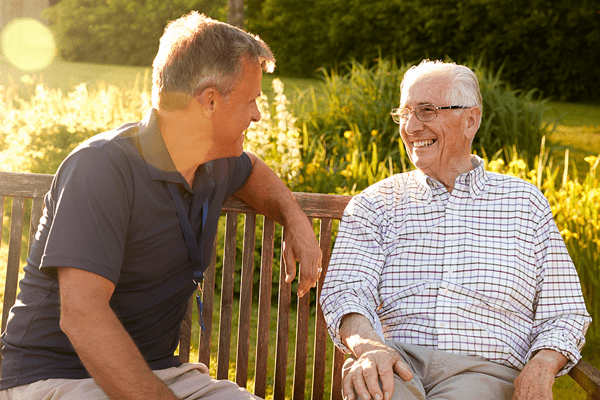
Bones tend to get less attention than muscles or joints, but they’re just as important when it comes to staying strong and independent in assisted living and age. Many older adults worry about fractures or falls, especially after hearing words like “osteopenia” or “osteoporosis” during a routine checkup.
While medications are available, several natural, everyday strategies can help protect bone density without a prescription.
Weight-bearing movement is essential
Bones respond well to movement. Activities like walking, dancing, hiking, or using light hand weights help signal the body to keep bones strong. Even short daily walks around senior apartments Lakewood can make a difference. If walking isn’t an option, try chair exercises with resistance bands or simple standing routines near a support bar.
Get enough calcium
Calcium is the foundation of strong bones, and getting enough from food is essential. Dairy products like milk, yogurt, and cheese are excellent sources, but leafy greens such as kale and broccoli also help. Fortified foods like orange juice or almond milk can fill the gaps if dairy isn’t part of your diet.
Don’t forget vitamin D
Your body needs vitamin D to absorb calcium effectively. Spending a little time in the sun daily can help, but many older adults also benefit from foods like salmon, egg yolks, and fortified cereals. A blood test can let your doctor know if a supplement is helpful.
Limit salty and sugary foods
A diet high in salt or added sugars can cause the body to lose calcium. Cut back on packaged snacks, fast food, and sugary drinks. Instead, choose whole foods that offer both flavor and nutrients.
Quit smoking and limit alcohol
Smoking weakens bones over time, and heavy alcohol use can interfere with how the body builds and maintains bone tissue. Cutting back or quitting altogether can lead to better bone health and plenty of other benefits, too.
Add balance and coordination exercises
Falls can cause fractures, even when bones are relatively strong. Practicing balance and coordination exercises helps prevent falls in the first place. Gentle activities like tai chi or standing leg lifts near a chair improve stability and confidence.
Stay consistent
The most important thing is to build healthy bone habits into your daily routine. Small changes done regularly add up, whether an extra serving of spinach or 15 minutes of stretching in the morning.
Many communities that offer senior living Lakewood encourage this type of wellness-focused lifestyle. It’s not about extreme workouts or cutting out your favorite foods; it’s about giving your bones what they need to stay strong so you can keep doing the things you love.
What to Expect Before and After Cataract Surgery

Cataracts are a common part of aging, and for many older adults in assisted living Lakewood, cataract surgery is something they’ll face sooner or later. The good news? It’s one of the safest and most effective surgeries performed today. Still, it’s normal to feel a little nervous before any procedure. Knowing what to expect before and after can help ease some of that worry.
Before the procedure
First comes the eye exam. Your ophthalmologist will check the severity of the cataract and confirm that surgery is the right option. You’ll also get measurements taken to determine the correct lens implant. For seniors in assisted living If you take medications, especially for blood pressure or diabetes, your doctor might give you specific instructions on how to manage them leading up to surgery.
On the day of the surgery, the procedure is outpatient, which means you won’t stay overnight. Most people are in and out within a few hours. You’ll be given eye drops to numb the area and medication to help you relax. The procedure itself typically takes less than 30 minutes.
During surgery
The cloudy lens in your eye will be removed and replaced with a clear artificial lens. There’s no need for stitches in most cases. You’ll be awake the whole time but won’t feel any pain. Some people describe seeing lights or shadows but nothing sharp or uncomfortable.
After surgery
Expect to wear an eye shield for a short time after the procedure, especially during sleep, to protect your eyes. Your vision may be blurry at first, but most people notice improvement within a few days. You’ll need to use special eye drops for a few weeks to help with healing and prevent infection.
Avoid bending, lifting heavy items, or rubbing your eye during recovery. Sunglasses are also a good idea since your eyes may be more sensitive to light. Most people return to normal activities in a day or two, though complete healing can take several weeks.
Follow-up care matters
You’ll likely have a follow-up appointment within a day or two to ensure everything is healing properly. Over the next month, your doctor will check your vision and confirm that your eye is adjusting well to the new lens.
If both eyes need surgery, your doctor usually schedules them a few weeks apart. This allows one eye to heal before operating on the other.
Those living in senior assisted living Lakewood or similar communities often find that the convenience of transportation and built-in support makes recovery smoother. Having help nearby can make a big difference, especially when managing follow-up appointments and eye drop schedules.
With some planning and care, cataract surgery can lead to clearer vision and a brighter outlook, sometimes literally overnight.
The Best Fitness Routines for Senior Men

Staying active in assisted living Lakewood isn’t about running marathons or lifting heavy weights. For senior men, fitness is more about feeling good, staying mobile, and keeping the body strong enough to enjoy everyday life. Whether it’s walking the dog, gardening, or chasing grandkids around the yard, regular movement helps maintain independence and energy.
Start with walking
Walking is one of the simplest, most effective exercises for older adults. It boosts cardiovascular health, supports joint mobility, and improves balance. A 20- to 30-minute walk can do wonders most days of the week. For those just getting started, even short walks around the block count.
Add strength training
Muscles naturally decrease with age, but strength training helps slow that loss. Light weights, resistance bands, or bodyweight exercises like wall push-ups and chair squats can help maintain muscle. Aim for two to three times per week, giving muscles time to rest in between.
Focus on flexibility
Stretching for residents in assisted living helps keep muscles loose and joints healthy. Simple daily stretches, especially in the morning, can reduce stiffness and support better posture. Yoga and tai chi also improve flexibility, balance, and relaxation.
Incorporate balance work
Falls are a major concern for older adults, but balance exercises can reduce that risk. Try standing on one foot while holding a sturdy chair or walking heel-to-toe in a straight line. Just five minutes a day can lead to noticeable improvement over time.
Try water exercises
Swimming or water aerobics is great for those with arthritis or joint pain. Water supports the body’s weight, reducing strain while still providing muscle resistance. Many community centers and wellness programs offer senior-friendly classes in heated pools.
Don’t forget to warm up and cool down
A few minutes of gentle movement before and after exercise helps prevent soreness and injury. Marching in place, shoulder rolls or neck circles are great ways to ease into and out of a workout.
Listen to your body
If something hurts, taking a break or modifying the movement is okay. The goal is to stay consistent, not to overdo it. It’s also a good idea to talk to a healthcare provider before starting any new fitness routine, especially if there are existing health concerns.
These fitness activities are often built into daily life for men looking into retirement communities Lakewood or any wellness-focused senior support. Regular movement is encouraged, not just for physical health, but because it helps with mood, focus, and overall confidence.
Feeling strong and steady makes it easier to enjoy the things that matter most, like playing cards with friends or hiking your favorite trail. Fitness can be simple, approachable, and even fun when built into a lifestyle supporting long-term health.
Blueberries and Blood Sugar: A Smart Choice for Older Adults with Diabetes

For those managing diabetes in assisted living Lakewood, finding a snack that’s both tasty and healthy can feel like a bit of a balancing act. That’s where blueberries come in. These little berries are more than just a sweet treat; they’re packed with nutrients that can support stable blood sugar, heart health, and memory. And they’re easy to add to almost any meal or snack without much fuss.
Why blueberries?
Blueberries are naturally low in sugar compared to many other fruits and are rich in fiber. That fiber helps slow the absorption of sugar into the bloodstream, which is key for keeping glucose levels steady. One small handful can satisfy a sweet craving without causing a spike or crash.
Rich in antioxidants
These berries are also loaded with antioxidants, especially a type called anthocyanins. That’s what gives them their deep blue color. Antioxidants help reduce inflammation and protect blood vessels, which is especially important for older adults with diabetes.
Heart-friendly benefits
People with diabetes have a higher risk of heart disease, and blueberries may help support heart health, too. Some studies link them to lower blood pressure and improved cholesterol levels. Including them in a balanced diet may offer extra protection over time.
Ways to enjoy them
Blueberries are versatile and don’t need much prep. Add them to oatmeal in the morning, toss them into a salad for lunch, or mix them with plain yogurt for a light dessert. Frozen blueberries are just as nutritious as fresh and great for smoothies or baking.
Watch portions
While they’re healthy, portion control still matters. One-half cup of fresh blueberries has about 10 grams of carbohydrates, easily fitting into a diabetic-friendly meal plan. Pairing them with protein or healthy fats, like almonds or cottage cheese, can make the snack even more blood-sugar-friendly.
Naturally sweet without added sugar
What makes blueberries especially great is that they taste sweet without adding sugar or syrup. That means they can satisfy that dessert craving without throwing off your goals.
For those considering assisted living Lakewood, nutrition is often a top priority.
Communities focusing on wellness understand how powerful food can be, and that even small choices, like choosing blueberries over cookies, can make a big difference.
Living well with diabetes doesn’t mean cutting out all your favorite things. It just means making smarter swaps; blueberries are one of the easiest and most delicious options for residents in assisted living.
How Diet Affects Brain Health in Older Adults

There’s something comforting about a warm, home-cooked meal in assisted living Lakewood, but food is more than just fuel or flavor. It plays a powerful role in how our brains age, especially for older adults. What we eat can help protect memory and focus or slowly chip away at them over time. The brain needs the right nutrients to stay sharp, and luckily, making brain-friendly choices is easier than most people think.
Start with healthy fats.
The brain is nearly 60 percent fat, so it makes sense that it needs healthy fats to function well. Foods like salmon, walnuts, flaxseed, and avocados provide omega-3 fatty acids, which support brain cell communication and help reduce inflammation. These fats may also lower the risk of cognitive decline over time.
Add color to your plate.
Brightly colored fruits and vegetables are loaded with antioxidants, which protect brain cells from damage. Think berries, leafy greens, carrots, and beets. These foods are rich in vitamins like C and E, which help fight oxidative stress — something that tends to increase with age.
Don’t skip whole grains.
Oats, brown rice, quinoa, and whole wheat bread help keep blood sugar steady and provide a slow, steady release of energy to the brain. This can help with focus, alertness, and even mood. Refined carbs, on the other hand, may cause spikes and crashes that leave the brain feeling foggy.
Stay hydrated.
Even mild dehydration can affect memory and concentration. While water is always a great option, herbal teas, fruit-infused water, and water-rich foods like cucumbers and melons count toward daily hydration goals.
Watch out for added sugars.
Sugar can sneak into many foods, from sauces to salad dressings, and too much can negatively affect brain health. Try to stick to natural sources like fruit, and read labels carefully when buying packaged goods.
Don’t forget B vitamins.
B6, B12, and folate play a significant role in brain function and mood regulation. These can be found in foods like eggs, leafy greens, beans, and fortified cereals. If energy levels seem low or forgetfulness becomes more frequent, a doctor can check for deficiencies and recommend changes.
Sharing meals matters, too.
Eating together encourages healthier habits and provides social engagement, which is good for the brain in its own way. Cooking with friends or joining a group meal can turn eating into a meaningful, mood-boosting event.
People exploring assisted living Lakewood are often pleasantly surprised to learn that brain health is a top priority in modern senior living. Meals are crafted for taste and wellness, helping residents nourish both body and mind with every bite.
How to Choose the Right Sunscreen for Aging Skin

Let’s discuss sunscreen. It’s easy to think of it as something you grab before a beach day, but it’s a key part of daily skincare, especially as we age. Older skin becomes thinner and more sensitive over time, making it more vulnerable to sun damage. The good news is that picking the right sunscreen in senior livingLakewood doesn’t have to be overwhelming.
First, pay attention to SPF. For aging skin, dermatologists typically recommend SPF 30 or higher. That’s strong enough to block out most harmful UVB rays. SPF 50 is a safe bet if you will be outside for extended periods. It gives added protection without making things too heavy or greasy.
Look for broad-spectrum formulas. This means it protects against both UVA and UVB rays. UVA rays are the sneaky ones that cause long-term aging and wrinkles. UVB rays are the ones responsible for sunburns. A sunscreen that covers both keeps your skin safer in the long run.
Ingredients matter, too. Mineral sunscreens, which use zinc oxide or titanium dioxide, are often gentler on mature skin. They sit on top of the skin and reflect sunlight, making them less irritating for dryness or sensitivity. They also start working immediately, without waiting 15 minutes, like chemical sunscreens.
Fragrance-free and moisturizing formulas are another wise choice. Older adults in assisted living often have drier skin, so a sunscreen that doubles as a light moisturizer can keep things simple. Avoid products with alcohol or strong perfumes, which can dry out or irritate the skin.
Application is just as important as the product. Most people don’t use enough, about a shot glass full for the whole body and a nickel-sized amount for the face. Don’t forget easy-to-miss spots like ears, the back of your neck, and the tops of your feet if you’re wearing sandals.
Sunscreen sticks or sprays can be helpful for reapplication, especially for those with mobility concerns or arthritis. They’re quick and easy, so people are more likely to use them consistently.
Choosing the right product is a small step that makes a big difference. Daily protection matters for those who enjoy walks, gardening, or just sitting by the window with a cup of tea. Aging skin is beautiful, and protecting it helps keep it healthy and strong.
In communities that offer assisted living Lakewood, it’s common to see residents wearing wide-brimmed hats, using sun umbrellas, and applying sunscreen as part of their morning routine. These little habits help everyone feel good in their skin while enjoying the sunshine safely.
Best Outdoor Activities for Stress Relief

Sometimes the simplest way to feel better is to just step outside.
Fresh air, natural light, and movement work together to lower stress levels naturally. Even a few minutes outdoors can help you breathe easier—literally and figuratively.
You don’t have to be an athlete to benefit.
Here are some outdoor activities in assisted living lakewood that help clear the mind, lift the mood, and support better health.
Walking at Your Own Pace
Walking is one of the easiest outdoor activities to fit into daily life.
You don’t need fancy equipment or a specific route.
Just stepping outside and moving at your own pace offers benefits like:
Lower blood pressure
Improved sleep
Reduced feelings of anxiety
Choose a local park, a walking trail, or even just stroll around your neighborhood.
Gardening (Even in Small Spaces)
Gardening isn’t just about flowers and vegetables—it’s also about mindfulness.
Tending to plants focuses your attention and gives a rewarding sense of accomplishment.
Even if you only have a balcony or patio, small container gardens can still bring the same mental health benefits.
Birdwatching
This activity requires patience and focus, which naturally quiets the mind.
Sitting quietly outdoors, tuning into sounds and sights, encourages presence in the moment.
You don’t need fancy binoculars—just curiosity and a willingness to slow down.
Gentle Outdoor Yoga
Practicing yoga outside brings an extra sense of grounding.
Feeling grass under your hands or hearing birds in the background connects you more deeply to nature.
Simple poses like child’s pose, seated twists, and forward folds are enough to loosen tension in senior apartments without requiring a full workout.
Picnicking with a Purpose
A relaxed picnic isn’t just about food.
It’s about creating an intentional moment outdoors to connect with yourself, friends, or family.
Pack simple, healthy foods, bring a book, or just watch the clouds drift by.
Slowing down in a peaceful setting resets your nervous system in ways an indoor meal often can’t.
Mix-and-Match Outdoor Stress Relief Ideas:
10-minute morning walks + evening breathing under the stars
Gardening a few days a week + weekend birdwatching sessions
Yoga stretches after lunch + outdoor journaling in the evening
Spending time outside doesn’t have to be complicated.
It’s less about “what” you do and more about allowing yourself to unplug, move your body, and breathe in something bigger than your own four walls.
Your body and mind are designed to thrive outdoors in memory care lakewood—even just a little bit every day makes a difference.
Apricots and Immune System Support: What You Should Know

When it comes to staying healthy, your immune system does the heavy lifting.
And while hand-washing and rest matter, what you eat plays a major role in how well your body defends itself.
That’s where apricots come in—these small, sunny fruits are packed with nutrients that help support immune function naturally.
Here’s why apricots deserve a regular place on your plate in assisted living Boise, especially during cold and flu season.
Rich in Vitamin A
Apricots are a great source of beta-carotene, which the body converts into vitamin A.
Vitamin A is essential for:
Strengthening the skin barrier (your body’s first line of defense)
Supporting mucous membranes in the respiratory tract
Regulating immune responses
When you eat foods rich in vitamin A, you’re helping your body react more effectively to threats without becoming overly inflamed.
A Dose of Vitamin C
Fresh apricots also contain vitamin C, which helps:
Stimulate the production of white blood cells
Protect immune cells from damage
Speed up recovery from illness
While apricots don’t have as much vitamin C as citrus fruits, they contribute to your daily intake—and every little bit helps when your immune system is working hard.
Antioxidant Power
Beyond vitamins A and C, apricots offer a mix of antioxidants like polyphenols and flavonoids.
These compounds help reduce oxidative stress, a condition that weakens immune function and contributes to aging.
By neutralizing free radicals, antioxidants allow your immune system to stay focused on real threats instead of being constantly on the defensive.
Natural Fiber for Gut Health
Did you know that much of your immune system lives in your gut?
Apricots are rich in dietary fiber, especially when dried and can be added on diets for residents in senior living.
Fiber supports the growth of good gut bacteria, which in turn helps:
Regulate inflammation
Strengthen the body’s response to infection
Improve overall digestion
A healthier gut = a stronger immune system.
Easy to Add to Your Diet
One of the best things about apricots is how easy they are to enjoy.
Try:
Slicing fresh apricots over yogurt or cereal
Mixing chopped dried apricots into trail mix
Adding them to a smoothie with spinach and banana
Eating a few dried apricots with almonds as a mid-morning snack
They’re sweet, satisfying, and easy to find year-round.
In many retirement communities, nutrition is a central part of wellness planning.
Fruits like apricots are often included in meal programs because they support immune health in a way that feels natural and delicious—not like medicine.
Sometimes, it’s the simple things—like a juicy apricot—that quietly help your body do its job better.
How to Balance Technology and Real-Life Connections

It’s no secret that technology makes life easier in so many ways in assisted living lakewood.
Video calls, text messages, social media—they help us stay connected, even across miles.
But too much screen time can quietly replace deeper, more meaningful human interactions if we’re not careful.
Finding a healthy balance between digital life and real-world relationships doesn’t mean giving up your favorite apps.
It just means being more intentional about how you use them.
Recognize the Signs of Digital Overload
Sometimes it’s subtle.
You realize you’re checking your phone without even thinking about it.
Or conversations feel rushed because you’re distracted by notifications.
You might notice:
Feeling restless or anxious after scrolling
Having trouble focusing during in-person conversations
Missing moments happening right in front of you
Catching these patterns early helps you reset before technology starts pulling you away from real life.
Set Tech-Free Zones
One simple trick is to create physical spaces where technology isn’t welcome.
Common ideas:
The dinner table
The bedroom
Outdoor patios or porches
Tech-free zones encourage face-to-face conversations, relaxation, and better sleep without the constant pull of screens.
Use Technology to Deepen, Not Replace, Connection
Instead of just liking a photo or sending a quick emoji, use technology to spark deeper interaction.
Ideas include:
Calling a friend instead of texting
Setting up video chats for birthdays or milestones
Sharing photos with a story attached instead of just posting
When used thoughtfully, technology can actually strengthen bonds rather than weaken them.
In communities like memory care lakewood, residents often enjoy a blend of digital tools and real-life activities—using technology to stay in touch with family, but still making space for in-person events, coffee chats, and group outings.
Build in “Unplugged” Time
It helps to schedule short daily periods without screens.
Some ideas:
15 minutes of quiet reading before bed
A phone-free morning walk
Cooking dinner without checking texts
Over time, these unplugged moments feel less like sacrifices and more like gifts you give yourself.
Practice Presence
When you’re with people, practice being fully there.
Simple ways to do this:
Put the phone on silent or leave it in another room
Make eye contact
Listen without thinking about your next notification
The payoff is huge—deeper conversations, stronger memories, and relationships that actually feed your spirit.
Balancing technology with real-world connection in senior apartments lakewood isn’t about perfection.
It’s about choosing to show up fully where it matters most—and using your screens in ways that add to your life, not pull you away from it.
How to Set Personal Boundaries Without Guilt

Setting boundaries sounds simple, but for many people—especially women—it brings up complicated feelings.
We want to be kind. We don’t want to disappoint anyone.
But without healthy boundaries, burnout, resentment, and emotional fatigue creep in fast.
Here’s how to set clear, kind boundaries—and let go of the guilt that usually comes with them.
Understand What Boundaries Really Are
Boundaries aren’t walls.
They’re guidelines in senior living that protect your time, energy, and emotional well-being.
When you set a boundary, you’re not being rude or selfish—you’re showing up honestly and protecting your ability to be present and healthy in your relationships.
Think of them as a way to honor both yourself and others in retirement communities.
Recognize Where You Need Them
If you’re feeling overwhelmed, constantly saying “yes” when you want to say “no,” or quietly resenting someone’s expectations of you—that’s a sign your boundaries need work.
Common areas where people need stronger boundaries:
Time and availability
Emotional labor
Personal space
Requests from family or friends
Work or volunteer commitments
Identifying where you feel drained is the first step toward reclaiming your peace.
Be Clear—Not Apologetic
One of the most powerful things you can do is state your boundary clearly and kindly.
No long explanations. No apologizing for your needs.
Examples:
“I’m not available on Sundays. That’s my day to rest.”
“I can’t commit to that right now, but thank you for thinking of me.”
“Let me get back to you—I need time to think about it.”
Clear language keeps the conversation respectful while also protecting your space.
Prepare for Pushback
Not everyone will love your new boundaries—especially if they’ve benefitted from you not having any.
That’s okay.
Their discomfort is not a sign you’ve done something wrong.
In fact, it usually means the boundary is working.
Stick to your limits gently but firmly. Over time, people adjust.
Boundaries in Everyday Life
Whether you’re still working, caregiving, or living in a supportive community like assisted living Boise, setting boundaries protects your ability to engage meaningfully with the people and activities that matter most.
Even in settings designed for support and simplicity, it’s still important to speak up for your preferences and needs.
Maybe you prefer quiet mornings. Maybe you need to skip a group activity to recharge. Maybe you want to say no to a request without guilt.
Boundaries let you show up as your best self—not your exhausted one.
You’re not doing anyone a favor by burning yourself out.
Boundaries are how you stay kind and grounded—at the same time.
Everyday Habits That Strengthen Brain Health

Keeping your brain sharp in assisted living lakewood doesn’t have to involve complicated routines or expensive supplements.
Simple, consistent habits built into everyday life can protect memory, improve focus, and even lower the risk of cognitive decline as you age.
Start with movement. Regular physical activity increases blood flow to the brain, delivering the oxygen and nutrients it needs to stay healthy. You don’t have to run marathons. A brisk walk around the neighborhood, light swimming, or even a gentle exercise class does the trick.
Another big brain booster? Sleep. Adults need about 7–9 hours of quality sleep each night to allow the brain to repair itself. Poor sleep has been linked to memory problems, mood changes, and slower thinking. Setting a calming bedtime routine and limiting screen time at night can help you fall asleep faster and stay asleep longer.
Staying socially active is just as important.
Here’s why socializing helps your brain:
It challenges you to process conversations, remember details, and stay emotionally connected.
It boosts mood and lowers stress—both of which protect cognitive function.
It often leads to laughter, which literally lights up the brain with positive chemicals.
In communities like senior assisted living lakewood, opportunities for daily interaction—like group meals, hobby clubs, or game nights—make it easy to stay socially engaged without extra effort.
Eating for brain health matters too. Try building meals around these foods:
Leafy greens like spinach and kale (high in brain-protecting nutrients)
Berries (rich in antioxidants)
Fatty fish like salmon or mackerel (packed with brain-boosting omega-3s)
Nuts and seeds (great sources of healthy fats and vitamin E)
Even a few simple swaps, like choosing walnuts over chips for a snack, can make a difference over time.
Mental stimulation keeps the brain agile. It doesn’t have to be complicated or boring—anything that challenges your mind counts.
Some ideas fo memory care lakewood residents:
Read books across different genres.
Work on puzzles or crosswords.
Learn a new hobby like painting, knitting, or playing an instrument.
Try memory games or apps designed for cognitive fitness.
Finally, mindfulness practices such as meditation or deep breathing exercises in retirement communities have been shown to thicken the prefrontal cortex—the part of the brain responsible for decision-making and attention.
Even five minutes a day of quiet breathing can strengthen mental clarity over time.
Brain health isn’t about doing one “big” thing. It’s about layering small habits, day after day, to create lasting resilience. Little actions add up—and your brain will thank you for it.
The Role of Apricots in Boosting Skin Health

When it comes to nourishing your skin in assisted living lakewood, what you eat matters just as much as what you put on it. Apricots might be small, but they pack a powerful punch when it comes to supporting healthy, glowing skin.
Fresh, dried, or even in oil form, apricots offer a range of skin-loving nutrients that are easy to add into your diet or daily routine.
Packed with Skin-Protecting Antioxidants
Apricots are rich in antioxidants like vitamin C and vitamin A (in the form of beta-carotene). These nutrients help protect your skin from damage caused by free radicals—unstable molecules that contribute to aging and dullness.
Eating apricots regularly can help:
Reduce oxidative stress
Support collagen production
Improve skin’s natural ability to heal and regenerate
Adding a handful of dried apricots to your breakfast or tossing fresh slices into a salad is an easy way to boost your antioxidant intake.
A Natural Source of Hydration
Apricots are also high in water content. Staying hydrated in retirement communities from the inside out is critical for maintaining soft, supple skin.
Along with drinking plenty of fluids, eating water-rich fruits like apricots helps:
Keep skin cells plump
Improve elasticity
Reduce the appearance of fine lines and dryness
If you struggle with dry skin, especially during seasonal changes, increasing hydration through your diet can make a noticeable difference.
Nourishing with Essential Vitamins
In addition to vitamins A and C, apricots provide vitamin E, another antioxidant that supports skin health.
Vitamin E helps:
Protect against UV damage
Strengthen the skin barrier
Soothe inflammation and irritation
Topical products often include apricot kernel oil because it’s lightweight, packed with nutrients, and easily absorbed by the skin without feeling greasy.
Supporting Skin from Within
Beyond vitamins, apricots contain small amounts of zinc and magnesium—minerals that contribute to the repair and maintenance of healthy skin tissue.
Zinc, in particular, is known for its role in:
Wound healing
Reducing inflammation
Preventing acne and irritation
Eating apricots as part of a balanced, nutrient-dense diet supports your skin at the cellular level, giving it the building blocks it needs to look and feel its best.
Simple Ways to Enjoy Apricots
There are plenty of ways to incorporate apricots into your daily routine in senior assisted living lakewood:
Fresh apricots in oatmeal or yogurt
Dried apricots as a snack or in trail mix
Apricot kernel oil as part of your nighttime skincare regimen
A few small changes can help your skin reap all the natural benefits apricots have to offer.