How to Build a Holistic Pain Relief Plan

Pain relief works best when it is a plan, not a single product. A whole-person approach blends medical care, movement, daily habits, and emotional support. The result is less flare, more function, and a better sense of control in assisted living Lakewood.
Start with a clear picture
Track location, intensity, triggers, and what helps for two weeks. Note sleep quality, stress, and activity levels. Bring the log to a clinician to rule out red flags such as sudden weakness, fever, or new numbness. A medication review checks for interactions and opportunities to simplify.
Choose movement that heals
Gentle motion reduces stiffness and improves circulation. Try short walks, aquatic exercise, tai chi, or chair yoga on alternating days. Physical therapists can tailor stretches for arthritis, back pain, or balance limits. The rule is little and often, with rest between small sets.
Layer in comfort therapies
Heat relaxes tight muscles, while cold reduces swelling after activity. Topicals with menthol or capsaicin may ease localized spots. Simple tools like lumbar rolls, supportive shoes, and a properly adjusted cane change alignment and reduce strain during errands.
Make meals part of the plan
An anti-inflammatory pattern emphasizes vegetables, fruits, whole grains, beans, nuts, olive oil, and fish. Steady hydration keeps tissues more resilient. Limiting added sugars and ultra processed snacks may lower symptom days for some people.If appetite is low, small frequent meals can prevent energy dips that make pain feel worse.
Strengthen the nervous system
Stress increases pain sensitivity. Breathing drills, guided imagery, or short meditation sessions train the body to downshift. A regular sleep window supports repair and lowers next-day flare risk. Light exposure in the morning and a calm pre-bed routine improve the quality of rest.
Set smart boundaries
Pacing prevents boom-and-bust cycles. Break tasks into chunks, rotate heavy and light activities, and ask for help with lifts that aggravate symptoms. A timer and a comfortable stool in the kitchen protect joints during meal prep.
Know when to escalate
If pain limits basic tasks, consider targeted therapies like trigger point injections, braces, or CBT for pain. Dental issues, shingles, and peripheral neuropathy often need specific treatments, so new patterns deserve prompt attention.
Community support matters
Group classes, transportation help, and on-site nursing make follow-through easier. In settings such as senior assisted living Lakewood, residents often combine customized exercise, menu guidance, and mindfulness groups to personalize relief. With a thoughtful plan, comfort grows month by month and independence stays within reach.
Set goals you can measure
Pick two targets for the next month, such as walking five minutes in retirement communities farther or standing long enough to fold a load of laundry. Celebrate each gain. A small toolkit helps: a pill organizer, ice packs, a heating pad with auto shutoff, and a step counter or notebook for progress.
Understanding pain science also reduces fear; when aches feel less mysterious, the nervous system stays calmer.
The Difference Between Alzheimer’s and Other Types of Dementia

Dementia describes a group of symptoms that affect thinking, memory, and daily function. Alzheimer’s disease is the most common cause, but not the only one. Understanding the differences helps families in assisted living Lakewood notice patterns, ask better questions, and match support to real needs.
Alzheimer’s disease
This condition usually starts with short-term memory loss and gradual changes in planning, word finding, and orientation.People may repeat questions, misplace items, or get turned around in familiar places. Progression tends to be slow and steady. Brain changes include amyloid plaques and tau tangles, which disrupt communication between nerve cells.
Vascular dementia
Here, thinking changes result from reduced blood flow in the brain, often after strokes or small vessel disease. The pattern can look “stepwise,” with noticeable declines after an event and plateaus in between. Attention, processing speed, and problem solving are commonly affected. Managing blood pressure, cholesterol, and diabetes is crucial.
Lewy body dementia
Fluctuating alertness, detailed visual hallucinations, and movement symptoms are clues. People may act out dreams during sleep and have stiffness similar to Parkinson’s. Sensitivity to certain medications, especially some antipsychotics, is higher, so medical guidance is essential.
Frontotemporal dementia
Changes often begin with behavior, language, or personality rather than memory. Someone who was cautious may become impulsive, or speech may shift toward short phrases and limited vocabulary. Onset can be earlier than other dementias, sometimes in the 50s or 60s.
Mixed dementia
Many older adults in assisted living facilities show features of more than one type, such as Alzheimer’s changes plus vascular disease. Mixed patterns explain why symptoms can look different from person to person.
Why the distinctions matter
Different types respond to different strategies. Memory notebooks and repetitive cues help in Alzheimer’s, while calendars and step-by-step problem solving assist vascular patterns. For Lewy body dementia, lighting adjustments and structured daytime routines may reduce confusion. For frontotemporal changes, smaller social settings and clear boundaries can protect safety and dignity.
Evaluation basics
A thorough assessment often includes a medical history, medication review, labs to rule out reversible causes, cognitive testing, and brain imaging. Hearing and vision checks also help because sensory losses can mimic memory problems.
Support options
Care plans blend education, home safety, structured activities, and caregiver respite. Local resources provide counseling and support groups for both the person and family members.
Knowing which dementia is present guides daily choices, lowers stress, and helps everyone focus on the abilities that remain.
Daily wellbeing habits
Regular hydration, consistent sleep, and short daylight walks support attention and mood across types. Familiar music and simple handwork, like sorting or folding, can calm restlessness. Safety tools such as door alarms and ID bracelets reduce risk if wandering occurs. Early conversations about driving, finances, and medical wishes give families a clear roadmap in senior living Lakewood.
The Art of Letting Go: How Seniors Can Simplify and Thrive

A lighter home often leads to a lighter day in assisted living Lakewood. Letting go is not about losing history; it is about keeping the right things close and allowing space for what matters now. A step-by-step approach keeps the process calm and respectful.
Start with the easy zones
Pantries, medicine cabinets, and linen closets deliver quick wins. Toss expired items, donate duplicates, and keep everyday essentials at waist height to protect joints. Clear labels reduce searching and help visiting family put things back where they belong.
Create a memory lane
Choose one shelf or box for special keepsakes. Pair each item with a short note card: who, what, and why it matters. Stories travel better when they are written down. A small digital frame can cycle photos so albums are enjoyed instead of hidden.
Right-size rooms
Arrange furniture to match current routines. Pathways should be wide, cords secured, and favorite seats easy to reach. If stairs are tiring, set up a complete living space on one level. Good lighting, a stable rug pad, and a reachable phone charger make daily life smoother.
Set gentle rules for incoming items
Every new object should earn its spot. A one-in, one-out rule prevents clutter from sneaking back. Weekly mini resets keep momentum: ten minutes to clear mail, recycle catalogs, and return stray items to their homes.
Share and donate with intention
Meaningful objects deserve good destinations. Family first, then local schools, theaters, or shelters that can put them to use. Medical equipment libraries often accept walkers and bath seats in good condition. A simple inventory sheet documents donations for tax purposes.
Use time boxes for tough decisions
When an item triggers mixed feelings, place it in a clearly marked bin with a review date in thirty days. Most decisions feel easier with a little distance. If it is not missed, it can move on to a new home.
Simplify papers
Keep only three active categories: to pay, to handle, and to file. Statements can be scanned to a secure folder with simple names like 2025-08-utilities. Shred anything with personal information that is no longer needed.
Where support fits in
Professional organizers and move managers can handle heavy lifting and offer neutral guidance. Assisted living facilities designed for older adults often provide workshops on decluttering, safety, and space planning.
Letting go becomes easier in senior living Lakewood when every remaining item earns its place and tells a story worth keeping. Keep the treasures that serve today.
What to Expect During Your First Week in Assisted Living

New spaces feel more welcoming when you know the rhythm. The first week sets the tone, and a little preview turns unknowns into easy wins. Most communities follow a simple pattern that helps residents in senior living Lakewood settle in without losing independence.
Day 1: Arrival and orientation
A team member usually greets new residents of assisted living, reviews paperwork, and confirms care preferences. A quick safety tour covers dining rooms, elevators, mail, and emergency pull cords. Rooms are checked for lighting, grab bars, and thermostat comfort.
Day 2: Getting to know the calendar
Activity directors often stop by with the monthly schedule. Expect choices, not obligations. Gentle fitness, chair yoga, art time, and short social hours give new neighbors a low-pressure way to say hello. Mark two easy events for the week to create momentum.
Day 3: Dining that feels familiar
The culinary team may ask about food preferences and allergies. Breakfast routines matter, so staff note coffee style, toast choices, and seating preferences. Many communities offer flexible seating, so testing a table near the window or a quieter corner is encouraged.
Day 4: Care plan check-in
Nurses review medications, mobility support, and daily goals. Small adjustments happen here, like changing the timing of a pill or adding a shower bench. Families can join by phone if that makes the conversation smoother.
Day 5: Building your routes
A short walk turns hallways into landmarks. Find the quickest path to the dining room, the nearest lounge, and the sunny outdoor bench. Label drawers clearly and use a small basket near the door for keys, glasses, and a notepad.
Day 6: Social icebreakers
Names stick with simple prompts. Ask a neighbor which activity they never miss or what they like to read. Bring a deck of cards to a common area and invite others to play a short round. Ten-minute chats are often the start of steady friendships.
Day 7: Settling the small stuff
Maintenance can adjust closet rods or tighten a wobbly chair. The front desk can add recurring reminders for appointments or transportation. Once the little fixes are handled, the whole week runs smoother.
Helpful expectations
Quiet hours are respected, but staff remain available at any time.
Apartments are private; support arrives only when requested or scheduled.
Orientation repeats as needed. Questions are welcome on day one or day ten.
With a simple plan for the first seven days in assisted living Lakewood, a new address starts to feel like home far sooner than expected.
How to Recognize Early Signs of Arthritis and Manage Symptoms

Arthritis often begins quietly. A little morning stiffness. A joint that feels sore after a short walk. Small signals like these are worth noticing, because early care helps prevent bigger problems later.
What arthritis looks like early
Pay attention to how joints feel during everyday tasks in assisted living lakewood. If simple movements like turning a doorknob, opening a jar, or rising from a chair start to feel awkward or uncomfortable, your joints may be asking for care. Symptoms are usually gradual with osteoarthritis, while inflammatory arthritis can flare more suddenly.
Common early signs
Morning stiffness that eases within an hour
Achy pain after activity that settles with rest
Tenderness when pressing around a joint line
Subtle swelling or a sense of fullness in the joint
Clicking or grinding sensations, called crepitus
Reduced grip strength or trouble with fine tasks
Pain that worsens in the late afternoon or evening
Signals that suggest inflammatory arthritis include swelling that feels warm, stiffness lasting longer than an hour after waking, and pain in the same joints on both sides of the body. Sudden, intense pain in one joint, especially the big toe, can point to gout.
First steps that help
Keep moving. Gentle, regular activity lubricates joints and maintains the muscles that protect them. Walking, water aerobics, and tai chi are reliable choices. Aim for short sessions most days and build up slowly. Use heat to loosen a stiff joint before activity in assisted living facilities and cold packs after activity if swelling appears. Supportive shoes with cushioned soles can reduce stress on knees and hips. Around the house, raised seats, grab bars, and light-weight cookware make daily tasks easier.
Track what you feel
A simple pain and activity log helps you spot patterns. Note the joint, the activity, and what eased the discomfort. Bring this record to medical visits to make your care plan more precise.
Medicines and topical options
Topical anti-inflammatory gels can relieve hand and knee pain with fewer whole-body side effects. Acetaminophen may help on low-pain days. Oral anti-inflammatory medicines can be useful but may affect the stomach, kidneys, or blood pressure. Always review choices with a clinician, especially if you take other prescriptions.
When to call the doctor
Seek care if pain lasts more than a few weeks, if a joint is warm and visibly swollen, if morning stiffness lingers past an hour, or if you have fever with joint pain. Early evaluation can confirm the type of arthritis and match you with physical therapy, exercises, and treatments that keep you moving.
How families can help
Encourage short daily walks, offer a ride to appointments, and help with small home adjustments. Steady support makes it easier to stay active, confident and independent in senior living lakewood..
The Role of Pumpkin in Supporting Prostate Health

Pumpkins are often associated with autumn traditions, but they’re far more than a seasonal decoration in retirement communities. For men’s health, pumpkin and its seeds provide nutrients that can be especially beneficial for the prostate. With prostate issues becoming more common as men age, paying attention to diet is one simple way to support long-term wellness.
Pumpkin seeds, sometimes called pepitas, are rich in compounds that promote prostate health. They contain plant-based chemicals known as phytosterols, which may help reduce the size of an enlarged prostate and support normal urinary function. This is particularly valuable for older men who experience discomfort related to benign prostatic hyperplasia, a condition that causes the prostate to enlarge.
Zinc, a mineral found abundantly in pumpkin seeds, plays another important role. Adequate zinc levels are linked to healthy prostate tissue and strong immune defenses. Because the body does not store large amounts of zinc, including zinc-rich foods like pumpkin seeds is an effective way to maintain balance.
Pumpkin itself provides fiber, antioxidants, and vitamins that contribute to overall health. Its bright orange flesh is high in beta-carotene, which converts into vitamin A and supports cell health. Fiber helps regulate digestion and can assist in maintaining a healthy weight, which is another factor in reducing the risk of prostate-related concerns.
Adding pumpkin to a daily routine is both simple and enjoyable.
Consider these options:
Snack on roasted pumpkin seeds for a crunchy, nutrient-packed option.
Add pumpkin puree to oatmeal or yogurt for extra flavor and fiber.
Blend pumpkin into soups for a creamy texture without heavy fats.
Use pumpkin in baking for muffins or breads that carry both taste and nutrition.
Sprinkle seeds on salads for added protein and minerals.
Consistency matters most. Enjoying pumpkin or its seeds regularly can provide the nutrients the body needs to maintain balance. Combined with regular checkups, exercise, and a well-rounded diet, these simple choices become part of a larger approach to prostate health.
For men living in supportive environments, like senior living, dietary habits can make a meaningful difference.
Something as small as choosing pumpkin seeds for a snack or adding pumpkin soup to the weekly menu is an easy way to look after one of the body’s most important glands. Thoughtful choices like these help create a foundation for better health and greater comfort in assisted living Boise.
What ‘Active Adult Living’ Really Means for Today’s Seniors

The phrase “active adult living” often gets tossed around, but what does it actually mean? For today’s seniors in assisted living Boise, it’s more than just a catchphrase. It reflects a lifestyle centered on independence, vitality, and opportunities for growth. Far from being about slowing down, it’s about staying engaged and thriving in new ways.
Active adult living emphasizes choice. It gives older adults the freedom to design their days around what brings energy and fulfillment rather than limitation. That might mean picking up a new hobby, participating in fitness classes, or simply enjoying the flexibility to socialize without the responsibilities of home maintenance.
At its core, this lifestyle focuses on three main areas:
Wellness and fitness
Regular access to gyms, yoga sessions, and walking groups keeps the body moving.
Wellness programs often include nutrition workshops, balance training, and meditation classes.
Staying physically active helps maintain strength, mobility, and confidence.
Lifelong learning and creativity
Residents are encouraged to take part in book clubs, art workshops, or even continuing education programs.
Creative outlets such as painting, music, or gardening allow seniors to explore passions that may have been put aside earlier in life.
Learning new skills keeps the mind sharp and adds a sense of accomplishment.
Social engagement and community
Group events, cultural outings, and volunteer opportunities foster strong social connections.
Friendships formed in this environment help reduce feelings of isolation.
A built-in network of peers ensures that daily life is shared and supported.
Another key feature of active adult living is the sense of freedom it provides. Without the burden of home upkeep or yardwork, residents gain time and energy to focus on experiences that matter most. The ability to wake up each day and decide in senior living between joining a dance class, going on a nature walk, or simply enjoying a coffee with friends reflects the spirit of this lifestyle.
What sets active adult living apart is that it adapts to each person. There is no single definition of “active.” For one individual, it might mean training for a 5K. For another, it could be as simple as staying engaged with community service or enjoying art. The common thread is participation, movement, and connection in ways that feel meaningful.
Today’s seniors are embracing this model because it keeps life exciting, purposeful, and social. It’s less about what you leave behind and more about what you gain… a chance to live fully, pursue passions, and enjoy wellness at every level in retirement communities.
How to Strengthen Your Lungs Before Cold & Flu Season

Breathing is something we rarely think about until it becomes difficult. For older adults, lung strength is especially important when cold and flu season approaches. Stronger lungs can mean fewer complications from respiratory illnesses, quicker recovery times, and greater comfort in everyday activities. The good news is there are practical, natural ways to give your lungs extra support.
One of the most effective strategies is regular physical activity in assisted living Boise. Gentle, consistent movement helps keep the lungs flexible and strong. Walking, swimming, and low-impact aerobics encourage deeper breathing, which trains the lungs to work more efficiently. Even short bouts of activity can improve lung capacity over time, making it easier to fight off seasonal illnesses.
Breathing exercises are another powerful tool. Simple routines like pursed-lip breathing or diaphragmatic breathing can expand lung capacity and improve oxygen exchange. These techniques are easy to learn, can be practiced at home, and are particularly useful for individuals who may already have respiratory concerns.
Nutrition also plays a part. Foods rich in antioxidants, such as berries, leafy greens, and nuts, help reduce inflammation in the lungs. Omega-3 fatty acids, found in salmon and flaxseed, may also support lung health by keeping airways clear and reducing irritation. Staying hydrated is equally important since water keeps the mucous lining of the lungs thin, allowing them to function more effectively.
Avoiding environmental irritants goes hand in hand with strengthening lung health. Limiting exposure to smoke, strong chemical fumes, and even certain cleaning products can reduce stress on the respiratory system. Spending time outdoors in areas with fresh air, away from heavy traffic or pollution, can provide the lungs with a healthier environment to function in.
Another overlooked factor is posture. Sitting or standing upright gives the lungs more room to expand, while slouching compresses them. Seniors can practice simple stretches or yoga-inspired movements that open the chest and improve breathing. This can be a surprisingly effective way to support respiratory strength throughout the day.
Vaccinations and regular health checkups remain critical. While strengthening the lungs through lifestyle habits is important, pairing those efforts with preventive care ensures the best defense against seasonal illnesses. Talking with a doctor while in retirement communities about flu shots, pneumonia vaccines, and overall respiratory health can give seniors extra peace of mind.
Taking steps now to strengthen lung health helps prepare the body for seasonal challenges and promotes energy year-round. Simple actions—consistent activity, mindful breathing, good nutrition, and regular medical care—add up to stronger lungs and better resilience for those enjoying life in senior living.
Tips for Boosting Your Immune System Before Flu Season Hits

You only get one body and, when you’re getting up there in years, you want to do all you can to keep it healthy. While some factors can negatively impact your immune system (like stress and sleep deprivation), you can also take steps to ensure it’s performing its best for you. By taking a few extra steps, you can help keep yourself as healthy as possible this flu season.
Eat a Balanced Diet
Eating a healthy diet full of the right nutrients is one of the best things you can do to keep your immune system up to par. Eating plenty of fruits and vegetables, especially those high in vitamin C and beta carotene, can give your immune system the extra nutrients it needs to fight infection.
Try to eat plenty of lean protein as well, which can include both animal sources (chicken, beef, fish) and plant-based sources (legumes, soy, nuts, and seeds). Your body needs amino acids for its natural immune response, and proteins provide them.
Exercise
Exercising regularly is important for so many reasons, including helping keep your immune system strong. When you’re active, your body produces more white blood cells, which help your immune system detect and fight infections and diseases. Just make sure that you’re doing low to moderate-intensity exercises and not overdoing it with high-intensity workouts. You can get moving at the gym in your assisted living Lakewood community or take a leisurely walk around the neighborhood.
Get Adequate Rest
Getting enough sleep each night is essential for keeping your immune system strong. Sleep is when your body repairs itself, including by creating new immune cells. Try to get at least seven to nine hours of sleep every night for best results.
Reduce Stress
Stress can also take a toll on your immune system, so it’s important to find ways to manage stress in your life. One of the best ways to reduce stress is through meditation, deep breathing exercises, or yoga. These practices can help you relax and center yourself and are often available at senior apartments, Lakewood facilities as part of their wellness programs.
Drink Plenty of Water
Drinking water helps to keep you hydrated, which is essential for overall health and well-being. When you’re dehydrated, it can lead to fatigue and dizziness and increase your risk of developing a cold or flu. Try to drink at least eight glasses of water per day and up your water intake on days when you’re more active or if you live in a warmer climate.
Take Supplements
Another way to support your immune system is by taking supplements. Vitamins, minerals, and herbs can all help to improve immune function, but it’s essential to consult with your doctor before starting any new supplements.
Some of the most popular supplements for boosting the immune system include vitamin C, vitamin D, zinc, echinacea, and garlic. Remember to get your healthcare provider’s approval first, as people in memory care Lakewood may have complicated health profiles.
Stay Connected
It’s also essential to maintain social connections with others. Staying connected to friends and family can help reduce stress and improve your overall health, which in turn will strengthen your immune system.
Seek out opportunities to get out of your house and socialize, whether by participating in group activities or just spending time with family and friends. You can do this by going out for a meal, taking a walk, or watching a movie. So, give your immune system a boost before flu season and start implementing these tips today.
5 Quick Tips to Help You Downsize and Simplify Your Life

Simplifying and downsizing your life can be an emotional experience. You might be moving to a new place, such as senior living Lakewood, or just want to downsize your possessions. Either way, decluttering can make you feel liberated, so here are a few tips on how to make that process easier and more manageable.
1. Start Early and Take It One Step at a Time
Decluttering your whole house in one go can feel like a daunting task, so instead, start early and give yourself enough time. It is also recommended to take it one room at a time and not to rush through each stage. Break things down into manageable steps, even smaller ones like just a closet or a bookshelf. This way, you will have enough time to process through all of your items, especially those with sentimental value, and keep stress at a minimum.
2. Sort and Categorize
As you begin to go through your belongings, categorize them as you sort. This will give you an idea of what you are working with and how to tackle each pile:
Keep: Anything you use on a regular basis, or that has high value to you, whether financial or sentimental.
Donate: Items that are still in good condition but no longer have a use to you.
Sell: Items that could be worth some money.
Discard: Broken, worn-out, or otherwise unneeded items.
Try to be as honest with yourself as possible when downsizing and getting rid of items, the more you have left over, the more work you’ll have to do when moving into assisted living Lakewood or elsewhere!
3. Keep Only What’s Necessary
This ties in with the last point on downsizing your home. As you go through your belongings, try to prioritize what will be most useful to you in day-to-day life. For example, if you’re downsizing for memory care Lakewood, you might be moving into a smaller space, so only keep those items that will be truly necessary or helpful to you in your new living situation. The less stuff you have cluttering up your new home, the better!
4. Digitize
Digitizing your life is a great way to simplify and reduce clutter. This can include:
Scanning documents so that you can get rid of paper clutter.
Digitizing photos so that you can preserve those memories without the physical storage.
Using apps for your calendar, to-do lists, contacts, and more.
This is especially a great tip to keep in mind as you prepare for smaller living arrangements like senior living Lakewood.
5. Make a Keepsake Box
While you shouldn’t keep every single item of sentimental value, you likely have a few items that mean the world to you that you don’t want to part with. Instead of keeping everything, designate a keepsake box or two where you can store these items safely without taking up too much space. This way, you can simplify and downsize the rest of your life while still being able to hold onto a few important mementos from your past.
Simplifying and downsizing your life can be a great way to free yourself up and live more easily. It may take some time and effort, but once you’re done, it’s so worth it!
Your Guide to What to Expect in a Memory Care Community
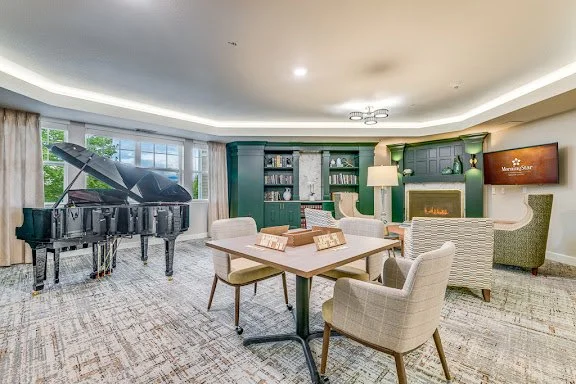
When you’re considering a memory care Lakewood community for your loved one, it’s only natural to be curious about what to expect in such a setting. These communities are a great choice for residents who need assistance because of Alzheimer’s, dementia, and other memory disorders. A good memory care community will also be a peaceful, secure, and nurturing environment for residents. But to be sure of that, it’s important to know what you should expect.
A Specialized Environment with Safety Features
Assisted living is designed to meet the special needs of their residents. The layout of the facility will be very different from a regular assisted living community in order to eliminate sources of confusion and keep residents safe. You’ll find secure entrances and exits to keep out uninvited guests and prevent residents from wandering. The space will also be designed with easy navigation in mind, with clear signage and visual cues to help residents stay oriented. There are also usually plenty of familiar items like plants and artwork to create a homey atmosphere.
Routine and Personalized Daily Schedules
Routine is important, which is why daily schedules are usually set in stone. Consistency in activities, meals, and rest times is comforting for individuals with memory impairments. It also makes the community feel more like home and lessens the stress associated with new people and places. The daily schedule can be easily adapted to your loved one’s needs and preferences. For example, if your loved one has dietary restrictions or likes to sleep in, the community can make accommodations to the daily routine. The important thing is to have a consistent schedule that can be easily followed, while still meeting the individual needs of residents.
Well-Trained and Compassionate Staff
Staff have gone through training that prepares them for the unique challenges they’ll face with dementia patients. They know effective ways to handle any difficult behaviors, like confusion or frustration, and they do so with compassion. This knowledge and expertise allows them to create a supportive environment for residents, as they know what to expect and how to handle various situations. Staff usually receive ongoing training to keep them up to date on the latest best practices.
Cognitive Stimulation Through Engagement
Engagement in activities is an important part of life in a memory care community. These activities are carefully chosen and tailored to the needs and abilities of the residents. The goal of these activities is not just to pass the time, but to keep your loved one cognitively sharp, socially connected, and happy. This can mean anything from music therapy and art classes to memory games and more. Residents will typically have plenty of opportunities to participate in activities and stay engaged with others.
Family Involvement
Retirement communities usually make a point of encouraging family members to be involved in the lives of their loved ones. This can include everything from regular visits to ongoing communication with the staff. The goal is to keep you informed and involved in your loved one’s care. You may also be able to get involved with activities and even care planning to ensure that your loved one is receiving the best possible care. This can be a great way to strengthen your relationship with your loved one and give you peace of mind.
A memory care Lakewood community is an excellent choice for your loved one, but you need to know what to expect to be sure.
Daily Brain Exercises to Keep Your Mind Sharp

Brains like routine, variety, and small wins. Ten to fifteen minutes a day can help seniors in assisted living Lakewood stay focused, recall names more easily, and feel more confident with daily tasks. Families can join in, turning practice into a shared habit that supports both memory and mood.
Try a few of these simple exercises and rotate them through the week.
One-minute categories
Pick a letter or theme and list as many words as you can in sixty seconds. Example topics: fruit, tools, cities, or words that start with B. Aim to beat yesterday’s score by one.
Memory tray
Place eight small items on a tray. Look for thirty seconds, cover them, then name the objects. Level up by putting them back in the exact order or adding one more item.
Step and spell
March in place while spelling common words, reciting months backward, or naming animals. This trains attention and balance together. Stand near a counter for safety.
Number–letter switch
Say or write A1, B2, C3 up to Z26. Next time, start at a random point like H8. This builds mental flexibility and working memory.
Story chain
Tell a three-sentence story. A partner adds three more sentences without changing the facts. Continue for five rounds. This strengthens listening, recall, and creativity.
Map it out
Plan a route from home to the grocery store with two detours. Describe the turns or sketch a simple map. Navigation practice supports executive function and visual skills.
Five-sense recall
After a walk or meal, name one thing you saw, heard, smelled, touched, and tasted. This anchors memories by engaging multiple senses.
Learn in small bites
While in retirement communities spend ten minutes on a language app, music exercise, or a new card game rule. Short, steady practice followed by a quick review the next day uses spaced repetition, which helps information stick.
Hands and eyes together
Complete a jigsaw puzzle, knit a new stitch, or try simple origami. Precise hand movements paired with visual problem solving are great brain work.
Photo prompts
Choose a family photo. Write three facts you know and one question to ask a relative. You will strengthen memory while preserving family stories.
Make it a routine
Schedule brief sessions most days, ideally at the same time. Keep a small notebook and record which activity you did, today’s score, and a one to five effort rating. Rotate tasks to “cross train” different skills such as attention, language, and visual memory. Pair practice with a pleasant cue like tea time to help the habit stick.
When to check in
Talk with a clinician if you notice sudden confusion, getting lost in familiar places, or major changes in language. A hearing or vision check can also improve thinking, since the brain works harder when senses are strained.
Family and friends in senior assisted living lakewood offering encouragement matters. Choose friendly challenges, celebrate small improvements, and keep the tone light. Consistency, not perfection, is what sharpens the mind.
How to Downsize Without Losing What Matters Most

Downsizing works best when seniors in senior livingLakewood and their families plan together. The goal is not to keep or toss everything. The goal is to keep the life you want easy, safe, and meaningful. A clear plan protects energy and preserves the stories attached to special things.
Agree on the purpose and pace
Start with a short family meeting. Decide why you are moving, what must come with you, and the date you want to be finished. Choose work windows of 45 minutes with a break. This keeps joints happy and prevents decision fatigue.
Keep safety at the center
Set up a steady work zone with a sturdy chair, bright light, and a non-slip mat. Wear supportive shoes. Families can handle ladders, heavy boxes, and trips to donation drop offs. Seniors steer the decisions. Helpers supply the muscle and the labels.
Use a simple, fair method to choose
Try the Five S test for each item: Safety, Size, Sentiment, Spend, Suitability.
Safety: Does keeping this create a trip risk or cluttered walkway
Size: Will it fit the new room without blocking doors or windows
Sentiment: Does it carry a story worth saving
Spend: Is it valuable enough to sell or insure
Suitability: Does it support how you live now
If an item passes only the Sentiment test, capture the story and let the object go.
Save the story without keeping the whole closet
Have a “story station” on the kitchen table. Snap a photo, record a 60 second voice note about who, when, and why it matters, then place the item in a Share or Donate box. Create one small legacy box in assisted living facilities for irreplaceable pieces and limit it to what can fit on a single shelf.
Make room by room decisions
Look at the new floor plan and list how each space will be used. Bedroom for sleeping and dressing, living room for reading and visits, dining area for meals and puzzles. Choose only what supports those activities. Families can draft a simple list for each room so packing stays focused.
Give relatives a respectful way to claim items
Invite family to submit a three item wish list in writing. If two people choose the same thing, rotate picks or create a trade that feels fair. Photograph the final choices so there is a record everyone can see.
Handle papers and valuables wisely
Keep originals of legal documents and medical records in one clearly labeled folder. Share anything with account numbers. Ask a local jeweler or appraiser for a written estimate on a few higher value items before selling.
Plan the handoff early
Schedule donation pickups, bulky item removal, and electronics recycling in advance. Pack a first night bag with medications, glasses, toiletries, chargers, two outfits, towels, and important papers.
Downsizing done this way keeps control in the hands of the senior, gives family a useful role, and carries the memories forward even as the boxes leave assisted living Lakewood.
Simple Exercises for Seniors to Improve Balance and Stability
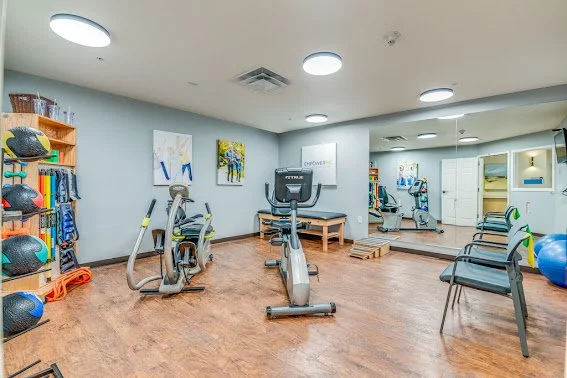
Good balance is not about doing tricky moves. It is about teaching your body to react a little faster and stand a little steadier. Ten to fifteen minutes a day can make walking, stairs, and getting out of a chair feel easier. Before you begin, clear a small space, wear supportive shoes, and stand near a counter or sturdy chair in your assisted living lakewood apartment for light support.
Sit to stand
Sit tall in a chair with feet under your knees. Lean slightly forward and press through your heels to stand. Step back until you feel the chair and sit with control. Start with 8 to 10 repetitions. This builds leg strength, which is the base of balance.
Heel to toe walk
Stand at the counter. Place one foot directly in front of the other so the heel touches the toes. Walk 10 to 15 slow steps, then turn and return. Keep your eyes forward. This improves stability on narrow surfaces like curbs.
Weight shifts
Stand tall with hands hovering over the counter. Shift your weight to the right foot while keeping the left foot light on the floor. Pause, then shift to the left. Repeat 10 times each side. Feel your ankles and hips doing the work. That gentle wobble is training.
Supported single-leg stand
Hold the counter with one hand. Lift one foot an inch off the floor and hold for 5 to 10 seconds, then switch. Aim for 5 holds per side. When that feels easy, try using just a fingertip or counting a little slower.
Toe and heel raises
With hands near support, rise up onto your toes, pause, then lower. Next, lift your toes so your heels stay down. Do 10 of each. These strengthen the lower legs and improve the quick ankle reactions that prevent trips.
Clock reaches
Stand with feet hip width and one hand near support. Imagine a clock on the floor. Tap your right foot to 12, back to center, then to 3, 6, and 9. Switch legs. Keep your trunk tall. This challenges balance in multiple directions.
How often and how to progress
You can also do these exercises three to five days per week in assisted living. Start with one set, then build to two. Move slowly, breathe steadily, and rest as needed. When you feel steady, reduce hand support, lengthen the holds, or add a second round. Small steps forward add up.
When to stop
If you feel dizzy, have chest pain, or sharp joint pain, stop and sit. Speak with your clinician in senior living lakewood before starting if you have recent surgery, frequent falls, or new medical concerns.
Consistency is the secret. A few focused minutes most days can help you stay confident on your feet and ready for anything from a walk in the park to a day of errands.
How Trying Something New Can Boost Senior Health

If you’re looking for a way to improve mental and physical health and feel happier in your retirement communities, you might consider picking up a new hobby or returning to an old one. Any enjoyable, interesting activity that takes focus can offer many health benefits. A creative or physical outlet can keep your mind, body, and mood in better shape.
Simple pleasures are important for all of us, but they can have added significance in senior years when structure, enjoyment, and accomplishment are essential for well-being. A hobby is something that can be done alone or with others, indoors or out. Whichever activity you decide to pursue, the positive effects on health and wellness will have you feeling better in mind and body.
Try something new for fun and for your health
Gain mental stimulation and increased brain function
Improve emotional health and self-esteem
Stay connected with others and prevent isolation
Feel calmer and less anxious
Reduce the risk of chronic disease
Increase overall happiness and wellness
Explore the Benefits
Cognitive Skills
One of the main benefits of hobbies for older adults is mental stimulation. Enjoyable activities that are challenging in some way help keep your brain focused in a positive manner. Reading, puzzles, painting, or playing an instrument are all hobbies that exercise your memory and concentration in senior living. Many hobbies help increase creativity and problem-solving skills that promote healthy brain function.
The more you use the various parts of your brain, the more you can slow cognitive decline. Learning a new skill, whether it’s a foreign language, musical instrument, or sport, can encourage your brain to create new connections, which is important for long-term cognitive health.
Emotional Health
Feeling engaged in something that is pleasurable and gratifying improves mood. Hobbies that connect you with like-minded people can reduce loneliness or isolation. Joining a knitting group, painting class, or gardening club are all ways to get out and connect with others.
Activities that can be done at home, like knitting, scrapbooking, or stamp collecting are also good ways to stay engaged.For some seniors, hobbies can even be therapeutic. Hobbies provide a reason to get out of bed in the morning or break up the day. They allow you to look forward to something, and doing something you enjoy can give your day structure and purpose.
Some seniors also find that having a hobby helps with anxiety, depression, or feelings of boredom. Hobbies that make you feel accomplished, calmer, or more relaxed are great for your emotional well-being.
Physical Health
Any hobby that gets you moving, even a little bit, is a hobby that can provide physical benefits. Gentle movement that supports balance, flexibility, and strength is always a good thing.
Gardening, dancing, walking photography, and light yoga are all fun ways to incorporate more activity into your life and don’t require a gym.
Low-key hobbies can also offer health benefits. Activities that use your hands and keep your muscles active like crafts or cooking are also good for you. Many seniors in assisted living Boise find that physical hobbies that interest them can help them with chronic pain management or improve their sleep.
Tips for Staying Connected in the Digital Age: Tech Tips for Seniors

You’re probably missing your loved ones in assisted living more than ever these days, but staying in touch has never been easier. You just have to know what to do. If you’ve never used a smartphone, video chat, or social media, this post will teach you some easy tools you can use to feel more connected.
Don’t be overwhelmed. You don’t have to become a tech whiz to stay in touch these days. With a few simple tips and tricks, you can use some digital tools to strengthen your relationships, find new hobbies, and even make your life a little easier and safer.
Get Comfortable With the Basics
If you’re not yet confident using a smartphone or tablet, start by familiarizing yourself with the features you’ll use every day:
Calling and Texting. Screens can be large and fonts enlarged to make devices easier to read and understand. Spend some time figuring out how to send a basic text or video call using FaceTime, WhatsApp, or Zoom.
Email. Email is useful for sending and receiving long messages and photos, as well as to keep up with appointments or even online newsletters. Gmail and Outlook are the most popular and user-friendly services.
Schedule Regular Video Chats
Face-to-face interaction can help you feel less isolated, even if you’re not in the same room or country. In fact, with the click of a button you can watch your grandkids smile, participate in a long-distance family birthday call, or even join your church for a virtual Sunday service. Don’t be embarrassed; loved ones are usually eager to show you how it works.
Try Social Media (But Safely!)
Facebook is a popular and easy way to keep up with family, share photos, or follow some favorite pages related to your interests. Or you can check out Instagram if you prefer a more visual platform. Just remember:
Always keep your privacy settings strong
Avoid clicking on suspicious links
Never share personal information (address, phone number, etc.) online
Take Advantage of Free Education
Want to know how to better use your smartphone? Need to understand some features on your tablet? Most libraries, senior centers, and community colleges offer free or inexpensive computer and technology classes. You can even look up easy tutorials on YouTube while in senior living. Just search for exactly what you want to learn, like “how to use Zoom on iPad.”
Use Apps to Stay Healthy and Involved
Beyond staying in touch with family and friends, you can use apps to track health and exercise, play brain games, or even take a virtual museum tour. There are lots of options.
Learning to use technology can take some time, so don’t be discouraged. Stick with it! Once you get started, you’ll be able to keep in touch with the people and things you love from the comfort of your retirement communities home.
8 Easy Ways to Sleep Better as You Age

If you’re having trouble getting to sleep (or staying asleep), you’re not imagining it. Age can certainly affect sleep for older adults. You may be waking up earlier, feeling sleepy during the day, and/or having trouble dozing off in the middle of the night. Although some changes to sleep are normal with age, there are things you can do naturally to help your body get the rest it needs.
Follow these eight simple tips to improve sleep for better health in retirement communities:
1. Get on a Sleep Schedule
Establish a sleep schedule that you can follow every day (even on weekends). Going to bed and waking up at the same time each day trains your internal clock.
2. Create a Relaxing Bedtime Ritual
Give your body time and cues to wind down at night. Start a bedtime ritual that helps you relax reading a book, listening to music, gentle stretches, and warm baths are all good examples.
Avoid reading the newspaper or watching television in bed, especially if the program involves the news. The more alert you are, the less you sleep. Keep the blue light of phone or tablet screens from interrupting your body’s production of sleep-promoting melatonin by unplugging at least one hour before bedtime.
3. Take Care with Daytime Naps
Cutting back on naps can help. Long or late-afternoon naps will make you less tired at night, making it harder to fall asleep. If you nap, keep them under 20–30 minutes in the early afternoon.
4. Skip the Caffeine After Lunch
Caffeine can have an energizing effect for hours. Avoid coffee, tea, and even chocolate after mid-afternoon. Keep meals light and easy to digest as well. Eating a big, heavy or spicy meal too close to bedtime can cause heartburn and indigestion.
5. Get Your Bedroom Ready for Sleeping
Make your bedroom a comfortable sleep environment. Keep the room as quiet as possible, dark, and at a comfortable, cool temperature. The more comfortable you are with your bedding and pillows, the better you will sleep.
6. Wake up to Morning Sunshine
Spend time outdoors in the morning. Sunlight in the morning helps your body set its sleep-wake cycle for the day ahead. Enjoy your morning coffee outside senior living or take a short walk in the sunshine.
7. Get Active
Getting your body moving during the day also helps with sleep at night. Walk, stretch, do light yoga or swimming, for example. Avoid vigorous exercise in the hour or two before bedtime though.
8. Set Aside Worry
If you’re a worrier, try making a list of things that concern you earlier in the evening, instead of as you try to fall asleep. Slow, deep breathing exercises or listening to guided relaxation audios or podcasts can also help quiet your mind and prepare your body for restorative sleep.
Sleep is important for memory, mood, and physical well-being. Making a few changes in your habits and environment in assisted living Boise can help improve the quality of your sleep. You can wake up feeling refreshed, alert and enjoy better overall health.
How to Prepare Your Home for Summer Weather Hazards

Summer’s heat, storms, and power outages in senior living Lakewood can be more than an inconvenience. A “ready-set-go” checklist for your home will help you, and your loved ones, age in place comfortably.
Go inside your house and start with air conditioning.
If you have central air, have your system serviced by a professional before the mercury soars. A technician will clean coils, inspect refrigerant levels, and replace filters to increase efficiency and decrease energy bills. Window units should have vents vacuumed and side panels replaced to fit tightly and prevent hot air leaks.
Windows are one of the first lines of defense.
Check window seals for air leaks. Replace any cracked or brittle weather stripping and apply reflective film or interior cellular shades to further prevent solar heat gain. During the day, close curtains on the south and west sides of the house.
Lightning and electrical storms are fire risks.
Install whole house surge protectors or plug sensitive electronics such as computers, televisions, and medical equipment into high quality surge strips. Unplug electronics when a severe thunderstorm warning is issued and keep a battery powered radio handy in case the internet goes out.
Put together an emergency cooling kit.
Consider a small, portable, USB powered fan, instant cold packs, spray bottles for misting, and cotton blankets that can be dampened for evaporative cooling. Keep these items in a designated, easy to access bin so they can be quickly grabbed in the dark if needed.
Keep a three day supply of bottled water and non perishable, no-cook foods such as canned fruit, protein bars, and shelf stable milk. Remember a manual can opener if you normally use an electric one. In memory care non-perishable medications that require refrigeration are stored in insulated pouches with frozen gel packs as soon as an outage occurs.
Outside, make sure gutters and downspouts are cleared of debris.
Clogged gutters can push rain water under roof shingles during a downpour, causing leaks and mold. Downspouts should be long enough to direct water at least 3 feet from the foundation to prevent seepage into basements.
Shrubs, branches and outdoor furniture must be storm ready too. Trim any tree limbs that overhang the house, roof or power lines. Bungee cords can help secure patio furniture in place. If storms are forecasted, it may be wise to secure lightweight objects or store them in garages or basements to prevent windborne projectiles.
Build a neighborhood phone tree.
Exchange phone numbers with two neighbors close by. Each of you can check on each other after a storm passes and provide assistance if needed. Having a plan will help ease concern.
A few hours of preparation in senior apartments living Lakewood will ensure that summer’s surprises are minor inconveniences, not major emergencies.
What Your Nails Say About Your Health

Healthy nails should not concern you. But they are like a smoke detector of hidden problems that show up before other signs are evident. In memory care catching a clue and scheduling a medical check up may provide you time to nip something in the bud.
Thin nails with pale or white nail beds are sometimes an early indication of anemia or poor blood circulation. If accompanied by unusual fatigue or shortness of breath, check with your physician in senior apartments Lakewood about having a complete blood count. Deep red or purplish nails may indicate a heart or lung disorder that is not delivering sufficient oxygen.
Beau’s lines are horizontal ridges across the nail that develop weeks after a serious illness, surgical procedure or even a period of severe emotional stress. One line across a nail means that portion of the nail growth cycle was affected by the event. Several Beau’s lines across several nails can mean the illness or stress had a systemic effect. Show your doctor the next visit. They are a timeline of events your body has been through.
Upward curving spoon shaped nails could be a sign of iron deficiency or hypothyroidism. Clubbing or thickening of the nails with enlargement of the fingertips could indicate chronic lung disease or a gastrointestinal disorder.
Yellow nails that also have slow growth could be due to a fungal infection. Fungal nail infections are more common in humid climates, among people with diabetes or with a history of minor skin trauma. Topical over the counter antifungal lacquers can help in the early stages. The more advanced or stubborn infections may need an oral prescription antifungal.
Split brittle nails that break easily may be due to low moisture or overexposure to household cleaning products. They can also be associated with thyroid imbalance or a nutritional deficiency of biotin and omega 3 fats. While in senior apartments wearing gloves while washing dishes and adding oily fish or walnuts to your diet often helps.
Dark streaks down the length of the nail should be checked right away. While many are just a harmless change in pigmentation, they could be melanoma, a very dangerous form of skin cancer.
Normal nail growth is about one millimeter per week. Nails that are growing slowly may be a sign of peripheral vascular disease. Some infections can cause the nail to grow more rapidly than normal.
Checking your nails after a shower in senior living Lakewood, when they are soft and clean is an easy way to notice changes early. Use your regular health checkups as another way to keep tabs on your nail news.
Fun Water Workouts for Seniors

Water exercise is a great form of low-impact movement in the heat of summer. Relaxing in the water cools the body, lowers stress on the joints and offers seniors a chance to get stronger, improve balance and have some fun. Pool workouts or lake exercises can be gentle or challenging depending on the individual’s fitness level.
The easiest way to get in a workout is by water walking. Find a pool or spot in the lake where the water is waist deep. Walk forward and backward taking long strides while keeping the abs tight. Moving against water creates twelve times more resistance than air, but the water supports the body and takes pressure off hips and knees. Start with fifteen minutes and work up to thirty.
Aqua aerobics is a class commonly found in senior assisted living Lakewood communities. The teacher leads participants in arm circles, knee lifts and easy kicks while music plays. Hand weights like foam dumbbells or pool noodles are sometimes used for upper body resistance. If there is a part of your shoulder or back that gives you trouble, let the teacher know and she will likely have some alternatives.
Deep water jogging is an excellent option for people who don’t like to get water up their nose or deal with a pool locker room. Purchase a flotation belt to wear around the waist and go to the part of the pool that is deep enough you can’t touch the floor with your feet. Jog in place while maintaining good posture and pumping your arms. Interval training of two minutes on and one minute of easy sculling to recover will increase cardiovascular fitness.
Lap swimming is the ultimate in water workouts. Try to do a variety of strokes to evenly challenge the body. Swim two laps of freestyle, one lap of backstroke and a lap of easy breaststroke for active recovery. If swimming with your face in the water is not your thing, kick on your side with a kickboard and keep your head up.
Water tai chi is a trend right now. Students do slow, deep movements in chest deep water. It is a mindful activity that has been shown to help improve balance and lessen arthritis pain. The YMCA and other senior centers have added tai chi to their programs.
Look for a gym or pool that has certified lifeguards. Wear flip flops or other slip resistant shoes on the pool deck and keep a bottle of water on the pool edge so you can rehydrate after your workout. Sweat is just as real in water as on land and it’s important to replace the fluids you lose. Apply a waterproof mineral sunscreen even if you are in an indoor pool that has windows and light streaming in.
After working out, in retirement communities take time to lie on your back and relax on your back in the water. Spread your arms out to the side, close your eyes and focus on deep breathing. This will stimulate the parasympathetic nervous system which relaxes the body. You will not only feel more relaxed while in the water but will be relaxed when you get out.
Get out there and swim, laugh and enjoy this hot summer weather in assisted living Lakewood.