
Easy Posture Exercises for Seniors
Sitting, standing, and walking feel very different when your body is well aligned. Instead of tight shoulders and a tired back, you are more likely to feel steady, open through the chest, and less worn out by everyday tasks. Posture is not about being stiff or “perfect.” It is about helping your muscles and joints share the workload in a way that feels kind to your body.
How posture shapes everyday comfort
When the head drifts forward or the shoulders round, certain areas have to work overtime. Over weeks and months, that extra strain can show up as:
Aching in the neck, upper back, or lower back
Shallow breathing that leaves you more easily winded
Fatigue, because your body is always fighting gravity
Improved alignment can ease pressure on the spine, open space for easier breathing, and give you more energy for the things you want to do in assisted living Lakewood.
Simple movements to support better alignment
You do not need a gym or special equipment to help your posture in assisted living facilities. These movements can be done in everyday clothes with a sturdy chair nearby.
Shoulder blade squeeze
Sit tall with feet flat on the floor.
Gently draw your shoulder blades toward each other, as if you are trying to pinch a small object between them.
Hold for three to five seconds, then relax.
Repeat ten times.
This helps wake up the muscles across the upper back that support an open, upright position.
Chin glide
Sit or stand with your shoulders relaxed.
Without tipping your head up or down, gently slide your chin straight back so your ears line up over your shoulders.
You should feel a mild stretch at the base of your skull, not pain.
Hold for a few seconds and release.
Repeat ten times.
This move helps counter the habit of the head drifting forward, which is common when reading or looking at a screen.
Wall arm slides
Stand with your back against a wall and feet a few inches forward.
Place the back of your hands and forearms against the wall, elbows bent.
Slowly slide your arms upward as far as is comfortable, then lower them again.
Keep your ribs gently drawn in so your lower back does not arch away from the wall.
Repeat eight to ten times.
These “wall angels” strengthen the muscles around the shoulders and upper back that help keep the chest open. Residents in communities such as those in senior living Lakewood often enjoy doing these together before walks or group activities.
Bringing posture awareness into the rest of your day
Exercises work best when they are paired with small changes in daily habits.
When sitting, keep both feet on the floor, use the chair back for support, and rest your hands on your lap rather than reaching forward.
When standing, imagine a string gently lifting the crown of your head toward the ceiling while your shoulders soften down and back.
Set a reminder every hour or so to get up, stretch, and reset your position. Long periods in one posture make slouching more likely.
Working on alignment for just a few minutes a day can make walking, reaching, and even breathing feel easier. Over time, these small efforts help you move with more confidence and less discomfort, one tall step at a time.
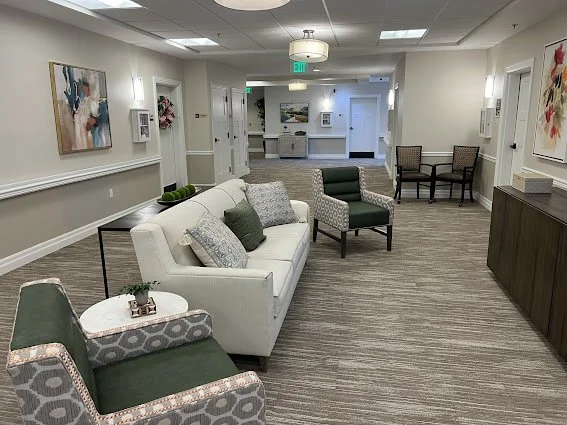
Memory Care at MorningStar of Albuquerque
If a spouse, parent or another loved one is suffering from Alzheimer’s or a dementia-related disease and the time has come for more comprehensive care, you will want the very best. However, the problem can lie in trying to figure out what is the best, and a good place to start is with a company you can trust.
MorningStar of Albuquerque is part of MorningStar Senior Living, which was founded in 2003 and has grown to 35+ communities in eleven states. Along with assisted living, MorningStar of Albuquerque provides dedicated care in our distinct Reflections Neighborhood designed to meet the special needs of those with memory impairment.
To encourage independence, confidence and a sense of freedom; Reflections Neighborhood uses clear wayfinding that incorporates color and pictures making it easier for residents to navigate hallways and recognize their own room. Warm and welcoming common areas help residents feel right at home. Our all-inclusive care provides a full range of services including senior care as well as meals tailored to the appetites and abilities of residents.
MorningStar’s holistic memory care is delivered by dedicated dementia care specialists through our proprietary program, Lavender Sky. The program embodies the philosophy of everything we believe and strive for in service to our memory-impaired residents as we strive to encourage, engage and respect each individual.
To keep your loved one safe, we also use a technology called Safely You that allows us to detect and prevent falls for memory care residents with (AI) Artificial Intelligence. Moreover, we are close to medical facilities such as Presbyterian Kaseman Hospital and Heights General Medical Center. For your convenience, our extensive services include transportation to and from medical appointments. Please contact us or visit our website for more information about exceptional senior apartments in Albuquerque, NM.
MorningStar is guided by a culture rooted in our mission of honoring God, valuing seniors, and investing in our team, which allows us to deliver services with warmth, sincerity and depth of purpose. We have built a reputation for creating homes filled with an atmosphere of love and community. Contact us to learn more about the finest senior living Albuquerque, NM has to offer.

Pumpkin and Weight Management: A Cozy Fall Choice for Seniors
Cooler weather often brings a craving for comfort foods, but those dishes can sometimes feel heavy. Pumpkin is a nice exception. It has the warm, familiar taste of autumn while staying gentle on calories and kind to blood sugar. For older adults in assisted living Lakewood who want satisfying meals without feeling weighed down, this bright orange squash can be a useful staple.
Why this fall favorite works for weight goals
A cup of cooked pumpkin has relatively few calories while still feeling hearty. That is because it is:
High in fiber, which helps you feel full longer
Naturally moist, thanks to a high water content
Packed with nutrients instead of empty starch
Fiber slows digestion, supports regularity, and can help keep blood sugar more stable after meals. That combination is helpful for anyone watching weight, appetite, or glucose levels. Many seniors in assisted living facilities notice they feel satisfied with smaller portions when pumpkin shows up on the plate.
Simple ways to enjoy it every day
You do not need complicated recipes to use pumpkin well. A few easy ideas:
Breakfast parfait: Stir plain or Greek yogurt with a spoonful of pure pumpkin, then top with cinnamon and a small sprinkle of granola or chopped nuts. It feels like dessert but offers protein and fiber.
Roasted cubes: Toss fresh cubes with a little olive oil, pepper, and herbs, then roast until the edges turn golden. They make a warm side dish or can be tossed into salads and grain bowls.
Oatmeal upgrade: Add pumpkin to morning oats along with nutmeg or ginger. This creates a creamy, filling bowl that often keeps people full until lunchtime.
Extra benefits beyond the scale
Pumpkins support more than weight. It is rich in:
Vitamin A, which helps with vision and skin health
Vitamin C, which supports immune function
Antioxidants that help protect cells from everyday wear and tear
Potassium, which plays a role in blood pressure balance
Because it fits into sweet and savory dishes, it is easy to rotate through the week without getting tired of it.
Making the most of the season
Whether you live at home or in a supportive senior living Lakewood community, keeping a can or small container of cooked pumpkin on hand can make meals feel special with very little effort. Fold it into breakfast, pair it with supper, or turn it into a light snack. It is a gentle way to enjoy the flavors of fall while supporting steady energy and comfortable weight, one cozy bowl at a time.

Unintended Weight Loss in Older Adults
Doctors explain that a loss of appetite in healthy older adults can be normal; and may just be part of the aging process. However, a decreased appetite resulting in weight loss can be caused by a variety of factors such as cancer and other chronic diseases, medications and even depression.
In addition, seniors who no longer seem to enjoy eating could be having problems with their dentures or cavities and should be checked by a dentist. A lack of exercise and slowing metabolism can also cause a loss of appetite. Some seniors report loneliness and eating alone has caused them to lose interest in food.
A noticeable loss of weight can have serious medical consequences, even death, and may be a sign of a medical problem that should be evaluated and treated by the person’s healthcare provider. Other signs of poor nutrition can include weakness, loss of balance, dehydration, recurring infections, wounds and fever. These symptoms could be caused by a malnutrition disorder, inflammatory disease or even cancer.
If the problem does not appear to be a medical one, experts say there are things we can do to help a loved get more interested in food. To start with, stock their refrigerator with nutritional-dense, ready-to-eat foods. Also, find ways for them to have companionship during at least some of their meals. If it would help, look into a meal deliver service. Moreover, talk to their doctor about replacing a meal with a nutritional supplement drink.
Other ways to encourage seniors to eat is to make food more pleasing. Avoid using sugar and salt to spice up food but rather add a squeeze of fresh lemon or lime to pasta or veggies. Use a splash of balsamic or red wine vinegar to enhance flavors. Remember fixing a colorful plate of food can make the meal more inviting to eat.
At MorningStar of Albuquerque, senior apartemnts, offer seniors carefree retirement years with companionship, predictable budgeting and beautiful private suites. Our all-day restaurant-style dining allows residents to set their own schedule and to join fellow residents in enjoying a meal together. We believe dining is one of the great pleasures of living, especially when enjoyed in community. Breaking bread together offers far more than nutrition. It bonds us as family and friends and is the centerpiece of personal wellness, for through proper diet and healthy choices, food becomes a healing medicine like no other. Please contact us for more information about MorningStar’s assisted living in Albuquerque, NM.
MorningStar has considered it a privilege and responsibility to “cast a new light” on senior living, inspired and empowered by our unique mission: to honor, to value, to invest. Our passionate commitment to serving seniors has proudly earned us a reputation for satisfaction that is second to none. Contact us to learn more about the finest assisted living Albuquerque, NM offers.

Finding Your People Online: Senior Craft Circles from Home
Picking up yarn, paint, paper, or fabric has a way of quieting the mind and waking up the imagination. When you combine that with friendly faces, you get something special. For many in assisted living Lakewood, online craft groups are doing exactly that, turning quiet afternoons into creative, social time without anyone needing to leave the house.
Why online craft circles work so well
Joining a virtual craft space gives you a place to share ideas, ask questions, and show off what you are making. It is less about perfection and more about enjoying the process with others who “get it.”
Some of the biggest benefits for seniors include:
Comfort and convenience: You can join from your favorite chair, at times that suit your energy.
Fresh ideas: People post patterns, tutorials, and suggestions you may never have tried on your own.
Friendly connection: Comments, encouragement, and shared projects help ease loneliness, especially on quiet days.
Getting started in four easy steps
You do not have to be “tech savvy” to take part. A little guidance at the beginning is usually enough.
Pick a comfortable place online
Many craft spaces use Facebook groups, Zoom meetings, or simple forums. If you already use Facebook to keep up with family, that can be a good starting point.
Search with a clear phrase
Type in terms like “senior knitting group,” “over 60 watercolor,” or “gentle craft-along.” You will see choices for different interests, from crochet and quilting to mixed media.
Ask to join
Most spaces are private only to keep out spam, not people. Click “join” or follow the sign up link. Some will ask a few quick questions such as what you enjoy making.
Say hello in your own way
When you are accepted, share a short introduction. Mention what you like to create and whether you are a beginner, returning crafter, or long time maker. Warm responses usually follow quickly.
Making the experience feel personal
Once you are part of a group in assisted living facilities, you can shape the experience so it fits your life.
Share photos of finished pieces or works in progress.
Ask specific questions, such as “How do you keep edges from curling?” or “What paper works best for watercolors?”
Join live craft-alongs or show-and-tell sessions when you can. Seeing faces and hearing voices helps it feel more like a living room gathering than a screen.
Crafting with others, even through a screen, turns a solitary hobby into shared joy. An online circle can offer friendship, fresh inspiration, and a reminder that your creativity still has a place in the world and in the lives of others in senior living Lakewood.

The Link Between Hormone Therapy and Breast Cancer in Seniors
What hormone therapy means in this context
Hormone therapy for menopause typically refers to estrogens, sometimes paired with progestogens for those with a uterus. The benefits can include relief from hot flashes, better sleep, and protection against bone loss. The concern is how certain regimens influence breast tissue over time. Risk is not one size fits all; it depends on dose, duration, age at start, and whether a progestogen is used.
What large studies generally show
Combined estrogen plus progestogen therapy has been associated with a small increase in breast cancer diagnoses that rises with years of use and tends to fall after discontinuation. Estrogen alone, used by women who have had a hysterectomy, shows a more complex pattern in which some analyses suggest neutral or lower risk in certain age groups. Family history, prior biopsies, weight, and alcohol intake also influence baseline risk and must be part of the conversation.
How to personalize the decision
Bring a complete health snapshot to your visit. Include history of breast disease, clotting events, migraines with aura, liver conditions, and current medications. Ask your clinician in senior living to outline options beyond systemic therapy, such as local vaginal estrogen for genitourinary symptoms or nonhormonal agents for hot flashes. Discuss the shortest effective duration and the lowest effective dose, with a plan to reassess at regular intervals.
Questions worth asking:
What is my baseline breast cancer risk given age and history
Which route and dose minimize systemic exposure
How will we monitor response and side effects
What is the exit plan if risks begin to outweigh benefits
Screening and everyday risk reducers
Stay current with mammograms in assisted living Boise based on personal risk and local guidelines. Add breast self-awareness by noting any new lumps, skin changes, or nipple discharge. Lifestyle levers still matter. Keep alcohol modest, build plates around plants and lean proteins, and maintain daily movement with two brief strength sessions weekly. Adequate sleep and weight management also support hormone balance.
Coordinating care across settings
If you split time between clinics or travel frequently, keep a single medication list and imaging timeline. Ask your pharmacy to synchronize refills so dose changes do not create accidental overlaps. For those who enjoy rich social calendars and shared wellness programs in retirement communities, look for classes that combine balance, strength, and stress reduction, since steady routines make it easier to evaluate how therapy is working in everyday life.

How to Detect and Manage Silent UTIs in Seniors
Why “silent” UTIs slip past notice
Urinary tract infections do not always announce themselves with burning or urgency. In older adults, bacteria can irritate the system while the classic symptoms stay quiet. What shows up instead are vague changes in behavior or function. A sudden dip in appetite, new confusion, daytime sleepiness, or a fall may be the only early flags. Because dehydration and some medicines also cloud the picture, the goal is to recognize patterns quickly and test rather than guess.
Early clues families and caregivers can track
Keep a simple daily log in your retirement communities. Jot the day’s fluid intake, number of bathroom trips, temperature, and any behavior shifts.
Watch for combinations such as:
New or stronger urine odor with darker color
More frequent accidents after a stable stretch
Unsteadiness or slower reactions during routine tasks
Mild fever or chills without a cold
If two or more of these appear together, call a clinician and request a urine test that includes microscopy and culture. Avoid reflexively starting antibiotics without confirmation, since overuse can breed resistance.
Prevention that fits real life
Hydration is the quietest defense. Aim for steady sips through the day rather than big gulps at night. Offer water alongside every medication pass and place small cups in sight. A fiber rich plate with vegetables, beans, and whole grains supports gut health, which in turn affects the urinary tract. For those with recurrent UTIs, ask the clinician about vaginal estrogen for postmenopausal women, targeted probiotics, or nonantibiotic options like methenamine hippurate when appropriate.
Bathroom routines that reduce risk
Encourage a restroom visit every three to four hours while awake. After toileting, front to back cleaning and gentle, unscented wipes protect skin. For those using briefs, change promptly and apply a moisture barrier to prevent irritation.In senior living If mobility limits timely trips, they add grab bars, night lighting, and clothing with easy fasteners to shorten the distance between urge and relief.
When to seek care fast
New fever, back or side pain, vomiting, or worsening confusion needs same day attention. After any confirmed UTI, schedule a follow up to review culture results, ensure the antibiotic matched the organism, and discuss prevention.
Making teamwork easier
Share the daily log with clinicians so decisions rest on trends, not hunches. In group settings, ask how staff document hydration, bathroom schedules, and symptom clusters that trigger testing. Families who coordinate checklists and quick handoffs often catch problems earlier in assisted living Boise.

Creating a Mindful Evening Wind Down Routine
Evenings set the tone for sleep. A gentle routine signals the body that it is safe to power down. Building a plan you can actually keep on ordinary days, not just perfect ones helps your body and mind find consistency. Over time, the right evening rhythm becomes a natural cue for calm.
Set your window
Choose a block of quiet time that fits your life and make it a protected space in memory care Lakewood.
Choose a 30- to 60-minute block that works with your schedule
Keep lights soft and screens dim or out of the room entirely
Tell family or housemates you are “off duty” during this time
Reduce background noise with gentle music or white noise if needed
Create a simple sequence
Routines work best when they follow a familiar, comforting flow. Think of it as three steps: transition, unwind, and settle in senior apartments.
Transition
Ease out of the day by wrapping up small tasks so your mind can rest.
Put tomorrow’s essentials; keys, bag, medications, by the door
Wash your face and brush your teeth early to remove one barrier later
Change into comfortable clothes to signal that the workday is done
Unwind
Soften tension and shift your focus inward with gentle sensory cues.
Brew a caffeine-free tea or sip warm water slowly
Stretch your neck, hips, and calves with slow breathing
Try a few minutes of mindful movement or guided relaxation
Settle
Invite the mind into rest with quiet, grounding activities.
Read light fiction or listen to calming audio, not the news
Write three lines: one win, one worry parked for tomorrow, one gratitude
Practice slow breathing or visualization as you drift toward sleep
Protect your sleep cues
Your sleep environment teaches your body when it’s time to rest.
Keep the bedroom cool, dark, and quiet
Reserve the bed for sleep and intimacy only
If you cannot sleep after 20 minutes, read in low light in another room until drowsy
Avoid checking the clock, which can heighten anxiety
Helpful tools
A few small additions can make winding down easier and more enjoyable.
A small lamp with a warm bulb instead of bright overhead lighting
A paper book or basic e-reader with night mode
An eye mask and soft earplugs for light or sound sensitivity
A notebook for lists so your mind doesn’t rehearse tasks in bed
Food and movement timing
When and what you eat impacts sleep more than most realize.
Finish large meals two to three hours before bed
Limit alcohol, which fragments sleep cycles and reduces deep rest
Try a short walk after dinner to calm the nervous system and aid digestion
Hydrate lightly to prevent waking during the night
When sleep stays stubborn
If good habits aren’t enough, gentle tracking can uncover what’s getting in the way.
Track bedtime, wake time, and naps for one to two weeks
Notice patterns that keep you up, such as late caffeine or heavy news
Ask your clinician about insomnia programs that teach strong sleep habits
Avoid over-the-counter sleep aids without professional guidance
When you treat rest as essential rather than optional, your body learns that night is for recovery and renewal in senior living Lakewood. The reward is simple but powerful: mornings that start with more ease, clarity, and calm.

Signs of Nutrient Deficiencies in Older Adults
Subtle changes often signal that the body needs more of a certain vitamin or mineral. Spotting patterns early helps you adjust meals or talk with a clinician before small gaps become bigger problems. Paying attention to your body’s cues; like fatigue, weak muscles, or changes in balance can help you stay strong, steady, and alert well into later years in senior living Lakewood.
Why deficiencies show up with age
As we age, the body’s ability to absorb, chew, and process nutrients gradually changes, even when eating well.
Appetite may dip due to medications or decreased taste and smell
Teeth or dentures can make crunchy foods harder to eat
The body absorbs some nutrients less efficiently over time
Chronic conditions may increase nutrient needs or limit what foods can be eaten
Reduced sunlight exposure or less variety in diet can compound the issue
Common signs to watch
Different deficiencies show up in different ways, but most can be corrected once identified in memory care.
B12: Numb fingers, memory fog, balance trouble
Vitamin D: Bone aches, muscle weakness, frequent falls
Iron: Fatigue, pale skin, shortness of breath on stairs
Magnesium: Night cramps, sleep issues, irritability
Potassium: Muscle weakness, irregular heartbeat, constipation
Protein: Slow wound healing, thinning hair, loss of strength
Simple food fixes
Food is usually the best first step to replenishing nutrients, especially when meals are balanced and colorful.
B12: Fortified cereal, dairy, eggs, or a physician-guided supplement
Vitamin D: Fatty fish, fortified milk, time in daylight, or a supplement as advised
Iron: Beans, lean meats, spinach with a squeeze of lemon for absorption
Magnesium: Nuts, seeds, whole grains, leafy greens
Potassium: Bananas, potatoes, beans, yogurt
Protein: Yogurt, eggs, tofu, lentils, chicken, or cottage cheese
Smart habits that help
Simple daily routines make it easier to keep your nutrient intake steady.
Keep easy snacks within reach, like yogurt cups, nuts, or cheese sticks
Drink water throughout the day and with medications
Add soft textures if chewing is difficult: stews, smoothies, or oatmeal bowls
Ask about a registered dietitian visit covered by insurance for diabetes or kidney disease
Rotate meal favorites to add variety and prevent boredom
When to call the doctor
Some symptoms point to more than just a dietary gap and should be checked promptly.
Persistent fatigue, frequent falls, or new confusion
Long-lasting diarrhea, nausea, or poor appetite
A wound that is slow to heal or recurrent infections
Bring data to your visit
Arriving prepared helps your clinician spot trends and make tailored recommendations.
Track a week of meals and symptoms, and bring a list of all medications and supplements. Ask which lab tests make sense for your history and whether a short-term supplement is appropriate.
Tiny adjustments in senior apartments Lakewood; like adding an egg to breakfast or taking a short walk in the sun can make you feel noticeably better within weeks. Food first, with guidance on supplements as needed, supports energy, mood, and independence for years to come.

Cholesterol and Aging: What Seniors Need to Know
Cholesterol talks can feel abstract until you connect the numbers to daily choices. Understanding the basics helps you ask good questions, track your progress, and make lifestyle changes that truly fit your routines and energy levels in assisted living Lakewood.
Know the key numbers
Knowing what each number means helps you spot patterns and understand your doctor’s advice.
HDL: Often called the “good” carrier that helps clear cholesterol from arteries. Higher is better.
LDL: Often called the “bad” carrier that can build up in arteries. Lowering it can protect against heart disease and stroke.
Triglycerides: A type of fat influenced by food, alcohol, and activity levels. High numbers can add to cardiovascular risk.
Non-HDL or ApoB: Sometimes used to refine risk beyond LDL alone, especially in people with diabetes or metabolic syndrome.
Why numbers shift with age
Age changes nearly every part of how the body processes fats.
Metabolism slows, which can raise LDL and triglycerides even with the same diet.
Hormonal shifts, thyroid changes, and certain medicines can all affect cholesterol balance.
Less sleep, higher stress, and reduced movement can further increase levels over time.
Genetics also play a role, meaning some people must monitor levels more closely even with healthy habits.
Everyday moves that help
Consistent small actions can improve cholesterol numbers almost as much as medication in some cases.
Food ideas
Build plates around vegetables, beans, and whole grains for fiber that helps lower LDL.
Choose fish, poultry, tofu, or beans for protein most days, and keep red meat occasional.
Swap butter with olive or canola oil in small amounts for heart-healthy fats.
Add nuts or seeds for crunch, steady energy, and additional omega-3s.
Limit sugary foods and drinks, which raise triglycerides quickly.
Movement ideas
Aim for 150 minutes of weekly activity in retirement communities, even in 10- to 15-minute walks.
Add two short strength sessions a week for muscle tone and balance.
Try gentle stretching or breathing breaks after meals to improve circulation.
Include fun options like dancing, gardening, or chair yoga to stay consistent.
When medicine makes sense
For some people, lifestyle changes aren’t enough, and that’s okay. Medication can safely lower risk when used thoughtfully.
Statins and other therapies reduce LDL and prevent plaque buildup in arteries.
Ask your doctor about benefits, side effects, and how often labs should be checked.
Bring an updated list of supplements and medications to avoid interactions.
Never stop medication suddenly without medical advice, gradual changes are safer.
Questions to ask at your next visit
Going in prepared turns your appointment into a real conversation about your health.
What is my overall risk based on age, history, and other conditions?
Which number should I focus on this year?
What small change would make the biggest difference for me?
When should we recheck labs or adjust my plan?
Having a support system makes healthy changes easier and more enjoyable.
Nutrition classes at community centers and libraries can simplify meal planning and offer accountability. If you live in or near any senior assisted livingLakewood, check bulletin boards for walking groups, cooking demos, and blood pressure screenings that welcome neighbors.

The Benefits of Learning Something New Every Year After 60
A fresh skill is more than a hobby. It gives the brain new roads to travel, builds confidence, and widens your circle. One year, it might be watercolor. The next, basic Spanish or a phone photography workshop. Curiosity is fuel at any age, also at assisted living.
How new learning helps the brain
Challenging the mind keeps it strong, flexible, and better equipped to handle change.
Novel tasks encourage the brain to form fresh connections
Attention improves when you practice focused, bite-sized sessions
Mood often lifts when progress is visible, even in small steps
Sleep can improve when the mind engages in satisfying effort
Picking a skill that sticks
The key to success in assisted living Lakewood is choosing something that feels meaningful and fun, not forced.
Choose something you want, not something you think you should want
Keep the first goal tiny, like “order paints and watch one tutorial”
Plan two short sessions a week so progress feels steady
Share your goal with a friend who will cheer you on
Places to learn for little or no cost
There are countless free and low-cost options designed for lifelong learners.
Public libraries: lectures, language circles, and makerspaces
Community colleges: senior audits and noncredit classes
Parks departments: nature walks, tai chi, or birding basics
Online platforms through your library card for software and design
Make practice friendly
Set yourself up for success by making your practice time enjoyable and sustainable.
Create a simple nook with good light and a chair you like
Track minutes, not perfection, ten minutes counts
Pair practice with a pleasant routine, like tea or a favorite playlist
Join a beginner group so you see that struggle is normal
Sharing your progress
Celebrating what you’ve learned keeps you motivated and proud of your effort.
Set a date to show a friend what you have made or learned
Keep a photo log so you can spot improvements
Offer to teach a tiny piece to a neighbor or grandchild
Enter a library showcase or community fair to celebrate the effort
Gentle repetition and visual cues make learning enjoyable for all levels of memory.
If you or a loved one is navigating mild cognitive change, look for classes that repeat steps, use visuals, and invite caregivers. Searching for retirement communities Lakewood can surface general tips on supportive learning environments and activity design without directing you to a specific residence.

The Benefits of Chair Pilates for Balance and Flexibility
If the floor is not an option, core strength, posture, and stability are still possible with chair Pilates in senior living Lakewood. Movements are modified to support joints while still challenging the body intelligently.
How chair Pilates works
Chair Pilates strengthens your body through small, mindful movements that are gentle on the joints.
The chair offers tactile cues, which develop proprioception
Micro movements target deep abdominal muscles
Breathing cues sync with movement, enhancing proprioception
Gradual adjustments to challenge of movement ease fear of falling in standing
Steps to get started
Start simple and set up your space safely before diving into the exercises.
Select a stable chair with no wheels and a flat seat
Sit on sit bones tall and place feet at hip width
Have a towel on hand to use as lumbar support, if necessary
Begin with five to ten minutes and gradually increase as you build strength
Try this sequence
Follow this gentle flow to warm up your muscles, strengthen your core, and finish with relaxation.
Warm up
Shoulder rolls, five in each direction
Ankle circles, five in each direction
Core & posture
Seated marches, hugging belly toward spine
Seated knee lifts with controlled lower, alternate legs
Seated spine twist, inhale in center, exhale rotate
Standing support work
Sit to stand reps with hand lightly resting on chair
Heel raises while holding back of chair for support
Cool down
Neck stretches side to side
Easy forward fold with elbows on thighs for support
Safety
Always listen to your body and move at a pace that feels comfortable and controlled.
Do not do anything that causes pain
Practice at a slower pace than you think is required
Have water bottle and break nearby
Expectations
With consistency, you’ll notice better balance, posture, and ease in daily activities in assisted living facilities.
Transfers from bed or car become easier
Posture is improved while cooking or reading
Trips or stumbles decrease on quick turns
Confidence building on stairs or uneven ground
Locate classes and community
Find local or online options to stay motivated and connected as you practice.
Libraries and community centers can have intro classes
Some physical therapy clinics have small balance classes
Videos geared for beginners will allow you to practice at home
Searching for a community of support can lead to multiple areas of interest. When your searches focus on areas like assisted living Lakewood, calendars will reveal and wellness ideas will inspire without necessarily locking you into a given provider. The goal is straightforward. Build your core, steady your stance, and allow everyday life to flow more easily.

What Seniors Should Know About Trusts vs. Wills
The words estate planning may sound more complex than you want to tackle. But once you sort out the basics, it’s simply two different tools with specific jobs.
A will states who gets what after you’re gone. A trust can provide additional legal control over when and how your assets are distributed, during and after your lifetime.
The Basics of Each Document
Will:
A will is a legal declaration that:
Names beneficiaries
Appoints guardians for minor dependents
Designates an executor to manage your estate
It only takes effect after death and will likely be subject to probate.
Trust:
A trust is a legal entity that holds property on behalf of beneficiaries. A revocable living trust is one that you can modify at any time before your death and can avoid probate for assets titled in the trust’s name.
The Modern Estate Plan Usually Includes Both
You might wonder why you’d need a will if a trust can do so much in assisted living Lakewood. A will still perform several important functions that a trust cannot replace:
Names a personal representative to manage your estate, pay final bills and taxes, and oversee asset distribution
Provides guardianship for minor grandchildren if you have financial obligations to them
Ensures assets titled only in your individual name (“oops”) are added to the trust (“pour over”) after your death
States your intent for sentimental or personal property that may not have market value but holds family importance
Advantages of a Trust
A trust can offer specific advantages, which is why many people add one to their estate plan while in assisted living facilities:
May shorten the court process and keep family matters private
Helps avoid probate if you own real estate or property in more than one state
Allows staged distributions for young adults (for example, “tuition at 18, balance at 30”)
Protects you if you become ill and need help managing your finances
Key Documents That Work Together
Durable financial power of attorney: allows someone to act for you if you become incapacitated
Health care proxy and advance directive (living will): outline your wishes in a medical emergency
Beneficiary designations: for retirement accounts, life insurance policies, and other assets
Errors to Avoid
Setting up a trust but not retitling your assets into it
Failing to update beneficiaries after marriage, divorce, or death
Not leaving access information for digital accounts and passwords
Ignoring state laws that affect taxes, spousal rights, or notarization requirements
Actions to Take Now
Inventory all accounts, deeds, loans, and insurance policies and keep the list in one place
Evaluate who among your children or relatives has the organization and financial sense to serve as executor or trustee
Communicate with adult children about where documents are kept and what to expect
Review your plan every three to five years, or after major life events like divorce or buying a new home
Public libraries, senior centers, senior living Lakewood communities, and local bar associations often have free or low-cost workshops on estate planning. They can help you learn how to find an estate planning attorney in your area.

5 Tips to Support a Loved One Going Through Breast Cancer Treatment
Feeling unsure about what helps during treatment is common. The good news is that small, steady actions in senior living Lakewood make a real difference. Use these practical ideas to show up with confidence and care.
What Your Loved One May Be Facing
Fatigue that arrives without warning
Appetite changes and taste shifts
Skin sensitivity, mouth sores, or nail changes
Emotional swings from fear to frustration
Appointment overload and decision fatigue
Tip 1: Offer specific, bite sized help
Skip “Let me know if you need anything.” Try concrete choices they can accept or decline.
“I can drive Tuesday at 9 or Thursday at 2. Which works?”
“I am dropping soup and a soft hat on your porch at 5.”
“I can tidy the kitchen for 20 minutes while you rest.”
Tip 2: Build a calm, useful go bag
Create a tote that lives by the door. Include lip balm, lotion for sensitive skin, a soft scarf, a water bottle with an easy lid, mints, and a light blanket. Add a small notebook to track questions for the care team.
Tip 3: Match meals to treatment days
Ask assisted living facilities staff to plan easy to swallow foods for rough days and protein rich options when energy returns. Keep portions small and neutral in flavor. Ideas: yogurt, eggs, smoothies, soft rice bowls, and broth. Ask about preferences each week since taste can change.
Tip 4: Protect their energy
Gatekeep when needed.
Post a short update to a group text so they do not repeat the same news.
Offer to screen calls and schedule short visits.
Suggest a quiet signal for “I am done for today.”
Tip 5: Support the caregiver too
If there is a partner or adult child doing daily care, bring a meal just for them, offer a short walk, or sit with your loved one so the caregiver can nap. Caregivers who feel seen stay steadier for the long haul.
Communication that comforts
Ask, “Do you want ideas or just a listener?”
Mirror their language. If they say “treatment,” use the same word.
Celebrate small wins, like a stable lab result or a day with less nausea.
Local cancer centers, faith groups, and neighborhood circles often organize rides, meals, and wig banks. Searching terms like assisted living Lakewood can also surface neutral education pages on support groups and respite concepts, without pushing a particular provider.
Your presence matters most. Consistency, kindness, and respect for their pace turn a hard season into one they do not have to face alone.
Figs and Bone Health: A Sweet Way to Support Your Frame

Dessert does not have to fight with your health goals. Figs deliver natural sweetness alongside minerals and fiber that support skeletal strength. With a few smart pairings in assisted living Boise, they can fit into everyday menus without spiking blood sugar.
Why figs help
Each fruit brings potassium, magnesium, and small amounts of calcium, all involved in bone maintenance. Potassium helps buffer acids that can leach minerals, while magnesium participates in vitamin D metabolism. The fiber in figs supports gut bacteria that produce short chain fatty acids linked with better mineral absorption.
Fresh or dried
Fresh figs are tender and mild. Dried figs are more concentrated in calories and sugar, yet they deliver more fiber per bite. Portion size makes the difference. One or two dried halves added to yogurt or oatmeal gives flavor without excess. If blood sugar runs high, pair figs with protein or healthy fat to slow digestion.
Smart pairings
Low fat Greek yogurt with sliced fresh fig and chopped walnuts
Whole grain toast with ricotta, a drizzle of honey, and thin fig slices
Spinach salad with chicken, oranges, and a few fig quarters
Baked salmon with a light fig and balsamic pan sauce
Calcium and vitamin D still lead the story. Keep dairy, fortified plant milks, tofu set with calcium, and leafy greens in rotation. Sunlight or supplementation maintains vitamin D as advised by a clinician. Weight bearing movement such as surrounding senior living walks or stair practice signals bones to stay strong.
Kitchen tips
Choose figs that are soft to the touch with intact skin. Store fresh ones in the fridge and eat within a few days. For dried varieties, look for unsulfured options with no added sugar. A quick soak in warm water plumps them for salads and sauces.
Medication notes
People on blood thinners should keep vitamin K intake steady day to day. Check labels on fortified products and discuss supplements at routine visits. If you use fiber supplements, separate them from certain medications by a few hours to avoid absorption issues.
Make it social
Share a small cheese and fruit plate with a neighbor or bring a fig and walnut loaf to a community coffee hour. Dining teams in retirement communities often add fig compote to oatmeal bars or pair fresh figs with soft cheeses on tasting days, which turns bone health into a treat. With thoughtful portions and good partners on the plate, figs become a sweet ally for strong bones.
How to Make Daily Walks More Enjoyable and Consistent

A walk can lift mood, steady sleep, and keep joints moving, yet consistency slips when routes get dull or the plan feels too big. Treat walking like a friendly appointment with yourself and build a routine that welcomes you back, even on off days in retirement communities.
Start with comfort
Good shoes matter more than speed. Pick a pair with cushioning and a roomy toe box, then wear the same socks you plan to use most days. If balance wobbles, a walking stick or rolling walker can turn a “maybe” into a confident yes. A small crossbody bag holds water, tissues, and a phone without tugging on shoulders.
Make the route interesting
In senior living there are short loops with landmarks that are pleasant to reach: a shady bench, a small garden, a mural near the library. Rotate two or three paths through the week so your brain gets novelty without confusion. On hot days, shift to indoor corridors or a mall before stores open.
Turn minutes into anchors
Link walks to daily cues. Try ten minutes after breakfast and ten minutes before dinner rather than one longer session. Light, frequent movement often beats occasional marathons. If weather is unpredictable, keep a backup plan like marching in place during a favorite song.
Invite the senses
Notice three sounds, three colors, and three textures on each outing. This simple game keeps attention in the moment and turns exercise into a small practice of calm. If walking with a friend, trade the sensory list at the halfway point.
Use micro goals
Pick targets that are easy to track, such as four walks this week or a total of sixty minutes by Sunday. A pocket notebook or phone note makes progress visible. Celebrate with something that supports the habit, like fresh socks or a new audiobook.
Add gentle variety
One or two days per week, include simple intervals: one minute slightly faster, then two minutes easy, repeated four times. On other days, bring light hand exercises at a bench, like opening and closing fists ten times, to reduce stiffness.
Safety checks
Drink water before and after. Carry a charged phone. If temperatures swing, wear layers and a brimmed hat. Stop for chest pain, sudden shortness of breath, or dizziness, and call a clinician if those symptoms appear.
Community helps momentum
Walking clubs add friendly accountability and conversation. Programs connected with assisted living Boise often schedule morning groups to beat the heat, provide shaded rest spots, and track gradual progress so walkers see their improvement. When the plan is simple and enjoyable, tomorrow’s walk feels like something to look forward to.
Tips for Choosing the Right assisted living Community
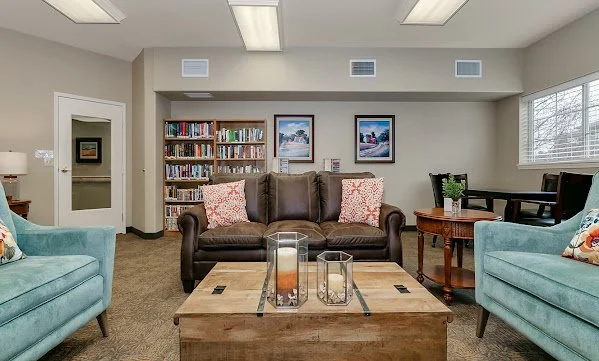
Big decisions feel lighter when you know what to look for. The right senior living should fit health needs, daily routines, and the way someone likes to spend time. Start by listing nonnegotiables, then tour with your senses wide open so marketing promises match what happens on an ordinary Tuesday in retirement communities.
Clarify care and services
Make a short profile of needs: medications, mobility, memory support, bathing help, and preferred mealtimes. Ask how staffing works on days, evenings, and weekends. Find out whether licensed nurses are on site and how emergencies are handled at night. If memory changes are present, ask about cueing, redirection, and secure outdoor spaces.
Tour with intention
Notice smells, noise level, and how staff speak to residents. Do people look relaxed and engaged, or hurried and closed off? Sit in the dining room for a few minutes. Plates should look appealing, with options for softer textures and low sodium choices. Peek at an activity in progress to see if participants seem involved rather than parked in chairs.
Questions that reveal quality
What is the staff turnover rate in caregiving and dining
How are falls tracked and prevented
How are family updates handled and how often
What happens if needs rise temporarily during illness
Food, movement, and meaning
Ask for a recent menu and the weekly activity calendar. Look for variety: chair fitness, walking groups, art hours, live music, and small clubs for cards or knitting. Transportation to appointments and stores reduces family stress. Outdoor seating, raised garden beds, and clear walking paths add daily joy.
Contracts and costs
Request the resident agreement before you decide. Learn what is included in base rent and what adds fees. Clarify medication management charges, second person fees, and costs for extra help after a hospital stay. Ask how often care levels are reassessed and how changes are communicated.
Room setup and safety
Measure doorways and the bathroom to confirm grab bar placement and shower access. Good lighting, lever handles, and nonslip floors reduce risk. If bringing pets, review rules on size, deposits, and who helps with care during an illness.
Culture fit
A great building can still feel wrong if the culture is not a match. Talk with two residents without staff nearby. Ask what surprised them, what they would change, and which staff member makes the day easier. Trust those answers.
Family role
Agree on a simple plan for visits, rides, and medical checkups. Share a one page life story so staff in assisted living Boise can personalize care from day one. Strong partnerships make transitions smoother for everyone involved.
A careful process leads to fewer surprises. When the calendar looks inviting, the food tastes good, and staff greet residents by name, you are close to the right fit.
How to Maintain a Healthy Appetite as You Age

Appetite can change with time for many reasons, including medications, shifts in taste and smell, oral health, and mood. When eating becomes a chore, energy drops and muscle may decline. A few targeted strategies in memory care Lakewood often restore interest in food and make each bite count.
Start with medical basics
A clinician or pharmacist can review medications that reduce appetite or alter taste, such as some antibiotics or heart drugs. Dental checks address denture fit, sore spots, and chewing comfort. Screening for low B12, iron, or thyroid issues is helpful when fatigue and poor appetite show up together.
Build a steady routine
Regular mealtimes train the body to expect food. Light movement before meals, like a short walk or simple stretches, can gently boost hunger. A calm table, comfortable chair, and good lighting reduce distractions and make food more appealing.
Focus on flavor and texture
Taste often improves with aromatic herbs, citrus, garlic, and a pinch of salt used wisely. If dry foods are unappealing, add moisture through yogurt sauces, olive oil, or broth based gravies. Offer softer textures, such as tender fish, mashed beans, stewed fruit, or slow cooked vegetables, alongside a small portion of something crunchy for contrast.
Prioritize protein
Distribute protein across the day to support muscle maintenance. Aim for 20 to 30 grams at each meal from eggs, yogurt, fish, tofu, beans, or poultry. Smoothies made with milk or yogurt provide an easy sip when chewing feels tiring. Add nut butter or soft tofu for extra calories.
Make meals social and simple
Shared tables, even with one neighbor, or while in senior apartments Lakewood, boost appetite with a friend. When cooking at home, prepare double portions and refrigerate single-serve bowls for quick reheats. Keep staples ready: soft whole grain bread, canned salmon or beans, prewashed greens, and cut fruit.
Manage small appetites
Three meals plus one or two snacks usually work better than large plates. Energy dense additions help without much volume. Try olive oil on vegetables, avocado with eggs, or a sprinkle of cheese on soup. Sipping water or herbal tea between meals, not during, preserves hunger for the plate.
When to seek extra help
Unintentional weight loss, persistent nausea, or trouble swallowing deserve prompt evaluation. A registered dietitian can tailor menus for diabetes, heart health, or kidney needs while preserving appetite.
Communities designed for older adults weave these strategies into daily life. In places like senior living Lakewood, flexible dining times, softer options, and attractive plating encourage better intake without pressure. With thoughtful routines and flavor-forward meals, eating can feel comfortable again and strength can return.
Engage the senses
Warm aromas signal mealtime to the brain. A small bowl of soup, toasted bread, or cinnamon oatmeal can wake up the appetite before the main plate. Colorful plating matters too; bright vegetables and contrasting textures make a meal look lively. Gentle background music and a tidy table help the mind shift toward eating.
How to Lower Cholesterol Naturally Without Medications

Heart numbers often improve with steady, manageable habits. A natural plan focuses on food patterns, movement, sleep, and stress. The goal is to lower LDL, raise or maintain HDL, and keep triglycerides in range while meals still feel satisfying.
Build a heart smart plate
Favor vegetables, fruits, beans, whole grains, nuts, and olive oil. These foods supply fiber and unsaturated fats that help reduce LDL. Limit saturated fat from fatty cuts of meat and full-fat dairy. Swap butter for olive oil, choose fish like salmon or trout twice a week, and enjoy a small handful of almonds or walnuts most days.
Put fiber to work
Soluble fiber binds cholesterol in the gut and helps carry it out of the body. Oats, barley, beans, lentils, apples, and pears are easy ways to reach 10 to 15 grams of soluble fiber daily. Psyllium husk can help if advised by a clinician. Increase slowly and pair with water to prevent stomach upset.
Consider plant sterols and stanols
These natural compounds block some cholesterol absorption. They appear in fortified yogurts or spreads and in small amounts in nuts and seeds. Two grams per day can have a measurable effect for many adults when combined with a healthy diet in senior apartments Lakewood.
Move most days
Regular activity increases HDL and trims triglycerides. Aim for 150 minutes of moderate movement per week, such as brisk walks, swimming, or cycling, plus two short strength sessions. Gentle intervals work well: three minutes easy, one minute slightly faster, repeat.
Support the basics
Seven to eight hours of consistent sleep supports appetite hormones and lipid metabolism. Managing stress with breathing drills, stretching, or a relaxing hobby reduces the urge to graze on ultra processed snacks. If alcohol is used, keep it modest. Avoid tobacco entirely.
Track progress
Recheck labs as advised to see how changes land. Bring a short food and activity log to appointments to pinpoint next steps. Small, steady improvements often add up across three months.
A sample day
Breakfast: oatmeal with sliced pear and a few walnuts.
Lunch: lentil and vegetable soup with whole grain bread.
Dinner: grilled salmon, barley pilaf, and roasted broccoli.
Snack: yogurt with berries, or hummus with cucumbers.
Communities that support wellness make follow-through easier. In places like assisted living Lakewood, menus often feature fiber-rich sides, olive oil based dressings, and fish nights, while resident walking groups add friendly accountability. The natural path is not about perfection; it is about repeating smart choices until the numbers reflect the new routine.
Weight and labels
Even a modest weight loss of five to ten percent can improve LDL and triglycerides. Check nutrition labels for added sugars, which drive triglycerides upward; many sauces and cereals hide more than expected. In memory care they choose products with short ingredient lists and prefer baked or grilled cooking methods at home and in restaurants.
Whole Grains That Support Digestive Health in Seniors

A comfortable gut makes the whole day easier. Whole grains help by delivering fiber, minerals, and gentle energy that keep digestion on track. The key is variety, hydration, and portions that suit individual needs in assisted living Lakewood.
Soluble and insoluble fiber
Soluble fiber forms a soft gel in the gut, feeding beneficial bacteria and helping regulate cholesterol. Insoluble fiber adds structure to stools and supports regularity. Most grains contain both types, but some lean one way more than the other.
Standout options
Oats provide beta glucan, a soluble fiber linked with smoother digestion and steadier blood sugar. Barley is another beta glucan source, great in soups or as a warm side. Brown rice brings mild flavor and a tender chew for sensitive stomachs. Bulgur cooks quickly and keeps its shape in salads. Buckwheat is naturally gluten free and flavorful. Quinoa adds complete protein alongside fiber, helpful when appetite is small. Whole wheat and rye offer robust taste for bread and crackers.
Start low, go slow
A sudden jump in fiber can cause gas and cramping. Increase by a few grams per day and pair each serving with water or herbal tea while in retirement communities. If stools become too loose, pause and reduce portions briefly before resuming. People on fluid restrictions should follow clinician guidance.
Easy ways to add grains
Breakfast: warm oatmeal with chopped apples, pears, or millet with cinnamon.
Lunch: barley and vegetable soup, or quinoa tossed with cucumbers and tomatoes.
Dinner: brown rice with stir fried greens, or bulgur pilaf with fresh herbs and lemon.
Snacks: rye crispbread with hummus, or a small bowl of air popped popcorn.
Support partners
Probiotic foods such as yogurt or kefir can complement fiber by adding friendly bacteria. Light movement after meals, like a ten minute walk, stimulates the natural wave of the intestines. Regular meal times also help the body keep a steady rhythm.
Cooking tips that help
Rinse quinoa to remove natural saponins. Soak barley or brown rice for an hour to shorten cook time. A small rice cooker can prepare grains hands free. Leftovers portioned into single cups freeze well for last minute meals.
With simple pantry staples and steady hydration, digestion becomes more predictable, bloating eases, and energy rises for the activities that make a day satisfying in senior assisted living Lakewood.